
Electric Daisy Carnival (EDC) is less than a month away, and if you're already planning your rave outfits, you're not alone. EDC has grown from a single underground event into one of the most celebrated music festivals on the planet — a place where self-expression isn't just welcomed, it's the whole point. Whether this is your first year or your tenth, understanding the history of EDC makes the experience that much richer. Let's take a deep dive into how this festival became the cultural force it is today.
The Origins of Electric Daisy Carnival
EDC was founded in 1997 by Pasquale Rotella, the visionary behind Insomniac Events. The first event was a single-night affair held in Los Angeles, California, drawing a passionate crowd of underground dance music devotees. At a time when rave culture was still operating largely in the shadows — warehouse parties, secret locations, word-of-mouth flyers — EDC offered something different: a legitimate, safe space for electronic music lovers to come together.
That inaugural night set the tone for everything that followed. Rotella's commitment to inclusivity, artistic expression, and community wasn't just a mission statement. It was embedded in the experience itself. From the very first event, EDC felt less like a concert and more like a homecoming — a place where the misfits, the dreamers, and the dancers all belonged.
The early editions of EDC in LA featured relatively modest production compared to what we see today, but the energy was undeniable. Local and international DJs spun sets that kept the crowd moving until sunrise, and the DIY spirit of the rave scene infused every corner of the grounds. It was raw, it was real, and it planted the seed for something massive.
Growth Through the 2000s: From Underground to Unmissable
Throughout the early 2000s, EDC steadily grew in both attendance and ambition. What started as a single-stage event expanded into a multi-stage production featuring some of the biggest names in electronic dance music. Trance, house, drum and bass, techno — every corner of the electronic spectrum found a home under the EDC umbrella.
By the mid-2000s, attendance was swelling into the tens of thousands. The festival began incorporating more elaborate art installations, carnival rides, and immersive environments that blurred the line between music festival and theme park. Rotella and the Insomniac team were building something that didn't just compete with other festivals — it existed in a category of its own.
This era also saw the rise of the "headliner" at EDC. Artists like Tiësto, Armin van Buuren, and Kaskade became synonymous with the festival, drawing massive crowds to the main stage. But what set EDC apart was the equal attention given to smaller stages and emerging artists, ensuring that discovery remained a core part of the experience.
For ravers who refuse to be forgettable, EDC became the ultimate proving ground — not just for DJs, but for personal style. The festival's growth coincided with an explosion in rave fashion, and suddenly what you wore under the electric sky mattered just as much as who you danced to.
The Move to Las Vegas: A New Chapter
In 2011, EDC made a seismic shift when it relocated its flagship event from Los Angeles to the Las Vegas Motor Speedway. The move wasn't without controversy — some longtime attendees mourned the loss of the LA roots — but it proved to be a turning point that elevated the festival to global status.

Las Vegas offered something LA couldn't: space. The sprawling speedway grounds gave Insomniac the canvas to build stages that defied imagination. The kineticFIELD main stage became an icon in its own right, with each year's design revealing a new sculptural marvel that pushed the boundaries of live event production. From towering owls to cathedral-like structures dripping with LED panels, every iteration told a story.
The desert setting also added a layer of magic that's hard to replicate. Picture yourself walking through the gates as the sun drops behind the Nevada mountains, the air still warm on your skin, bass already vibrating through the ground beneath your feet. The neon glow of a hundred thousand LED lights flickers to life, and for the next three nights, reality takes a back seat.
EDC Las Vegas quickly grew to over 400,000 attendees across its three-day run, making it one of the largest music festivals in the world. The event expanded to include art cars roaming the grounds, a dedicated wedding chapel for couples who wanted to tie the knot under the electric sky, and fireworks displays that rivaled any Fourth of July celebration.
EDC Goes Global
The success of EDC Las Vegas opened the door for international expansion. Over the years, Insomniac has brought the Electric Daisy Carnival experience to cities across the globe — Mexico City, Tokyo, Seoul, Orlando, and beyond. Each edition carries the DNA of the original while incorporating the local culture and energy of its host city.
EDC Mexico, for example, has become a massive annual event in its own right, drawing hundreds of thousands of attendees to the Autódromo Hermanos Rodríguez. The passion and warmth of the Mexican rave community has made it a fan-favorite edition, with many ravers traveling from the US specifically for the unique atmosphere.
This global footprint has transformed EDC from a festival into a movement. It doesn't matter what language you speak or where you come from — when you're under the electric sky, you're part of a community that transcends borders. That sense of universal belonging is what keeps people coming back year after year.
The Culture of EDC: More Than Music
Ask any seasoned raver what makes EDC special, and they'll tell you it's not just the music. It's the culture. EDC operates on a set of core values — love, unity, respect, and self-expression — that permeate every aspect of the experience.
The festival's emphasis on art is a prime example. Massive sculptures, interactive installations, and roaming performers create an environment that stimulates every sense. You don't just hear EDC; you feel it, see it, and carry it with you long after the last beat drops. The art at EDC isn't decoration — it's part of the conversation.
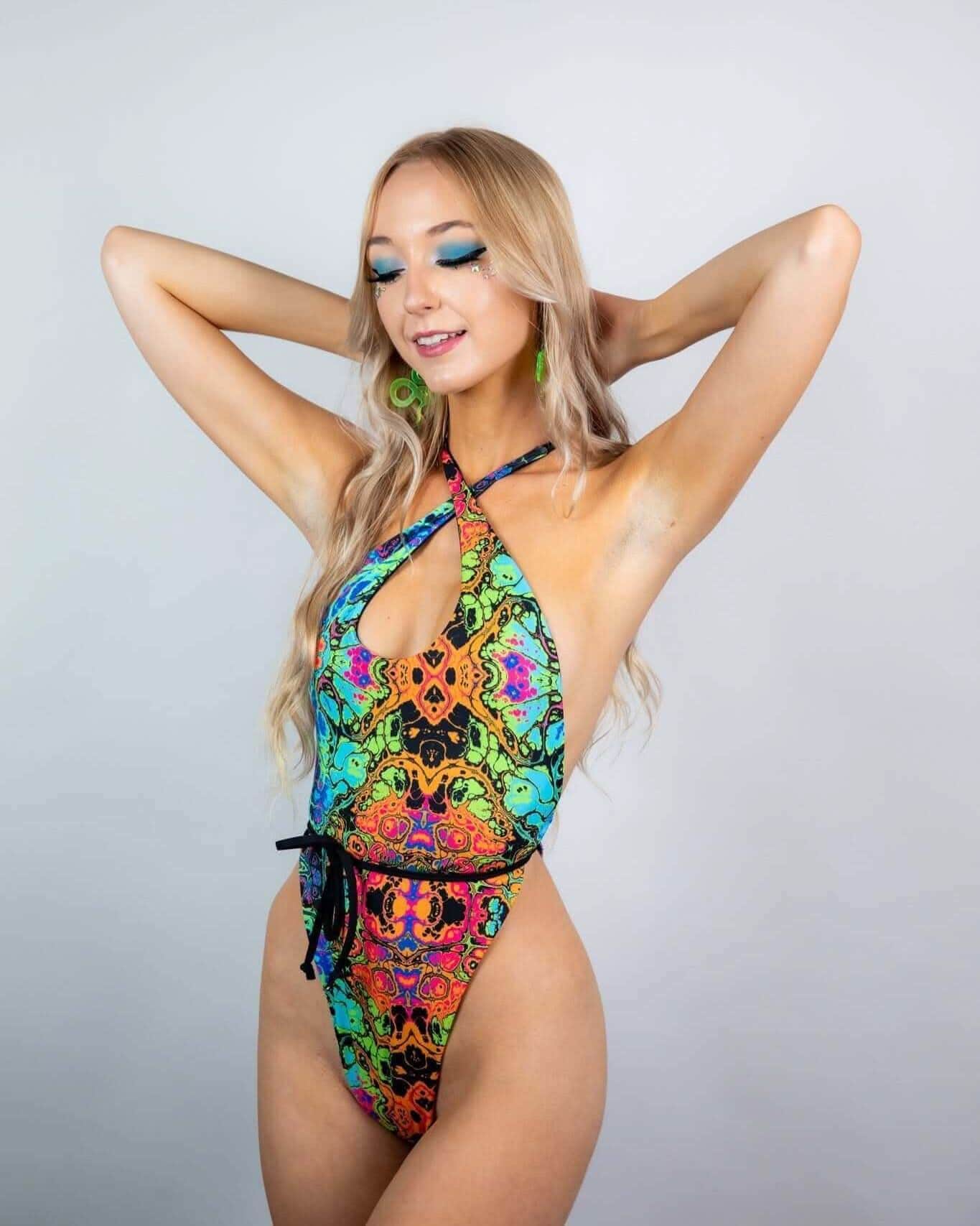
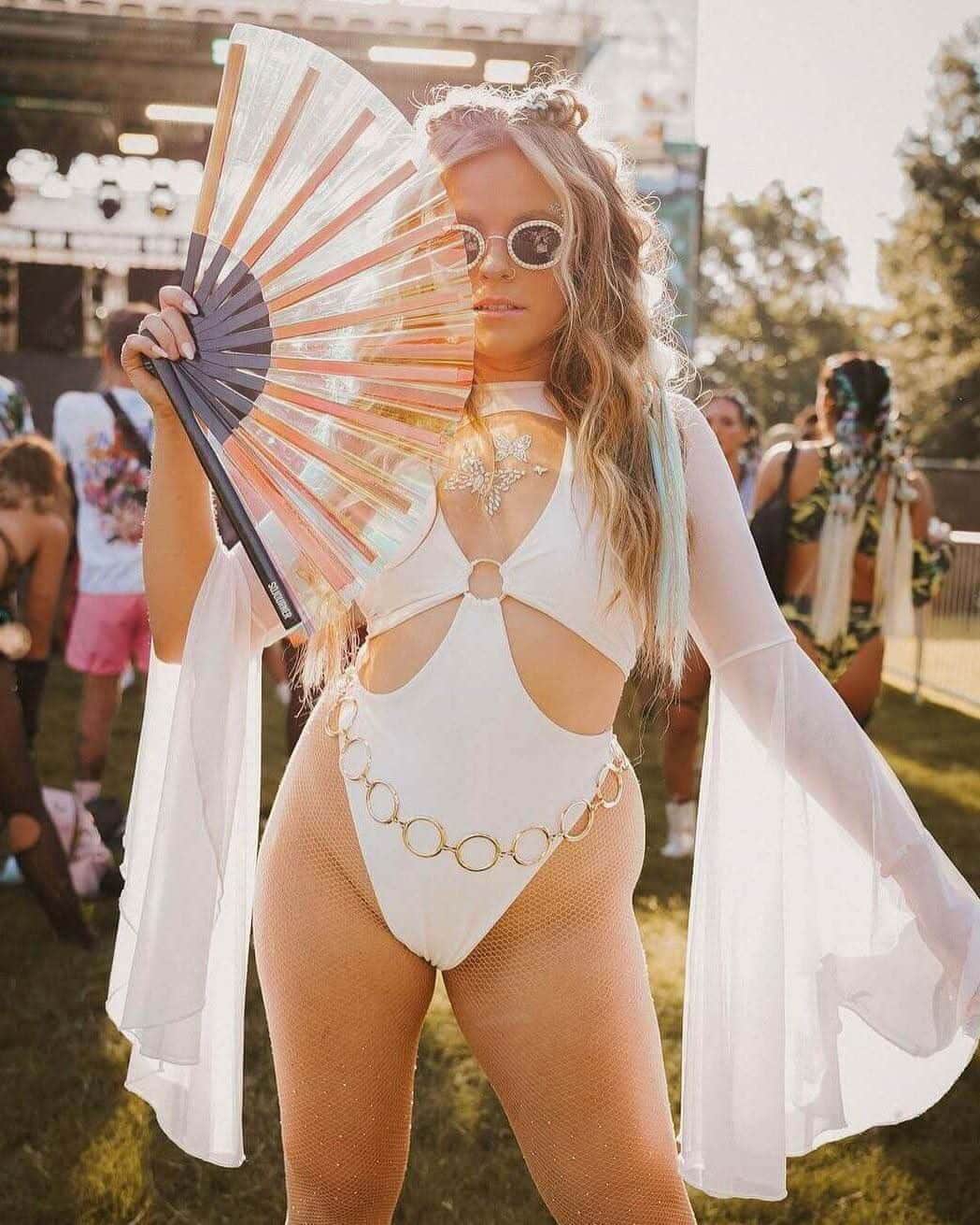
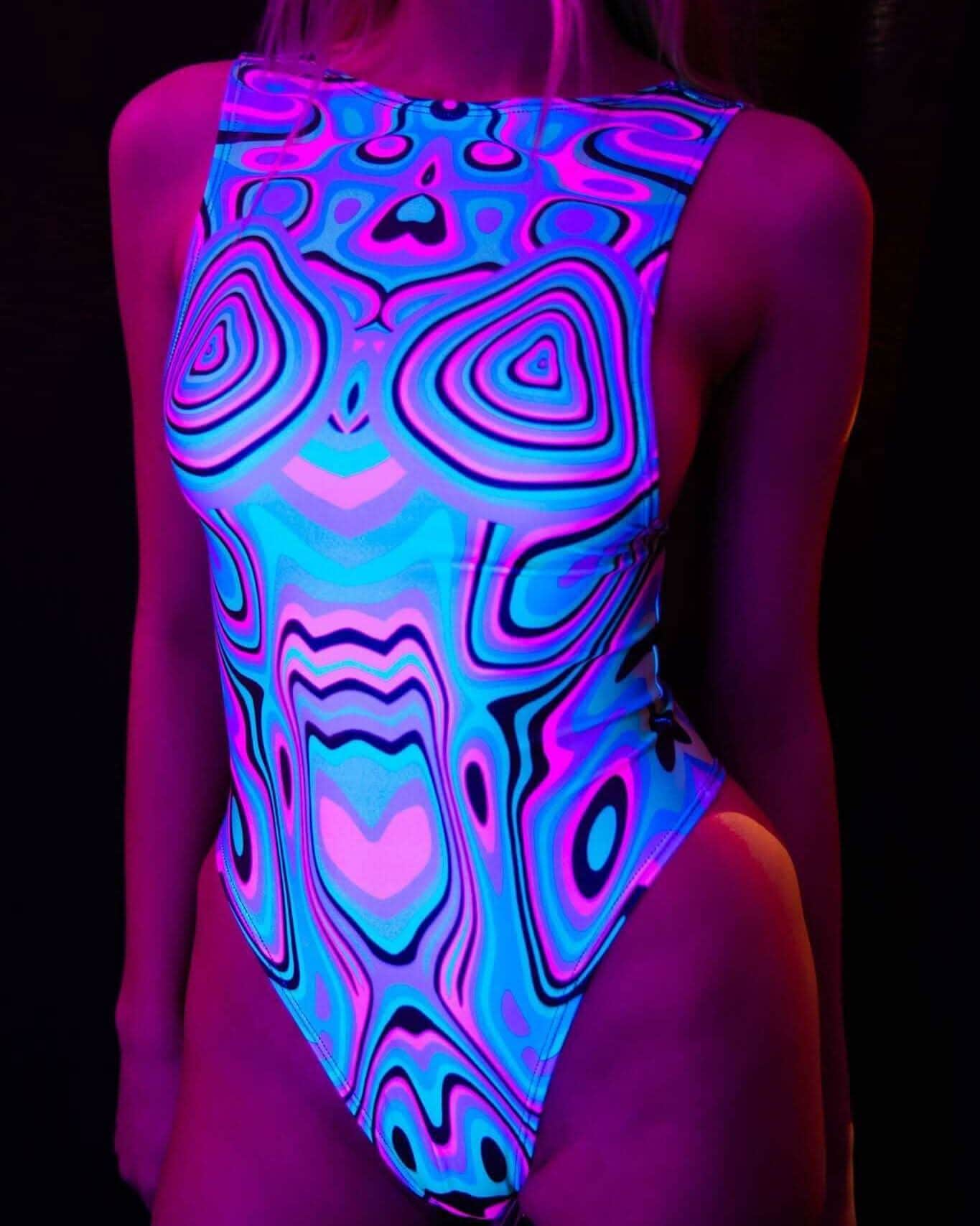
Then there's the fashion. EDC has always been a runway for radical self-expression, and in 2026, that spirit is stronger than ever. From rave bodysuits that catch every laser to flowing festival pashminas that move with you through the crowd, what you wear at EDC is a declaration of who you are — or who you want to be for the weekend.
The festival also fosters genuine human connection. Trading kandi bracelets, sharing water with strangers, dancing shoulder-to-shoulder with people you've never met — these moments of spontaneous connection are the heartbeat of EDC. It's a space where vulnerability is strength and authenticity is the dress code.
What to Wear to EDC 2026
If you're someone who lives for the drop and dresses to match that energy, your EDC outfit deserves the same intention as your festival playlist. This isn't about following trends — it's about showing up as the most unapologetic version of yourself.
For those looking to make a statement, rave tops and rave shorts in bold prints and reflective fabrics are a go-to for three nights of dancing in the desert heat. If you and your crew want to coordinate, matching rave outfits are a festival-tested way to stand out and stay together in the crowd.
Freedom Rave Wear offers plus size rave outfits and men's rave outfits because self-expression has no size limit and no gender requirement. Every piece is handcrafted in San Diego using recycled materials, backed by a lifetime warranty, and designed by people who actually go to these festivals. That's not marketing — that's just how it works here.
Imagine catching your reflection in the chrome of an art car, your outfit shimmering under a cascade of blacklights, and feeling like the truest version of yourself. That's the transformation EDC delivers — and the right outfit amplifies it tenfold.
Looking Ahead: EDC's Legacy and Future
Nearly three decades after that first night in Los Angeles, Electric Daisy Carnival stands as one of the most important cultural events in electronic music history. It helped legitimize rave culture in the mainstream, launched countless DJ careers, and created a global community bound by shared values and shared bass drops.
As we approach EDC 2026, the festival continues to innovate. New stage technologies, deeper commitments to sustainability, and an ever-expanding global footprint ensure that EDC isn't resting on its legacy — it's building on it. Pasquale Rotella's original vision of a safe, inclusive, and transformative space for ravers hasn't just survived nearly 30 years of growth. It's thrived.
Whether you've been going since the LA days or you're lacing up your first pair of festival boots this year, EDC meets you where you are. It's a place where the music is the invitation, but the community is the reason you stay. As the countdown ticks closer to zero, start thinking about the moments you want to create — on the dance floor, in the crowd, and in the rave clothing that makes you feel unstoppable under the electric sky.