
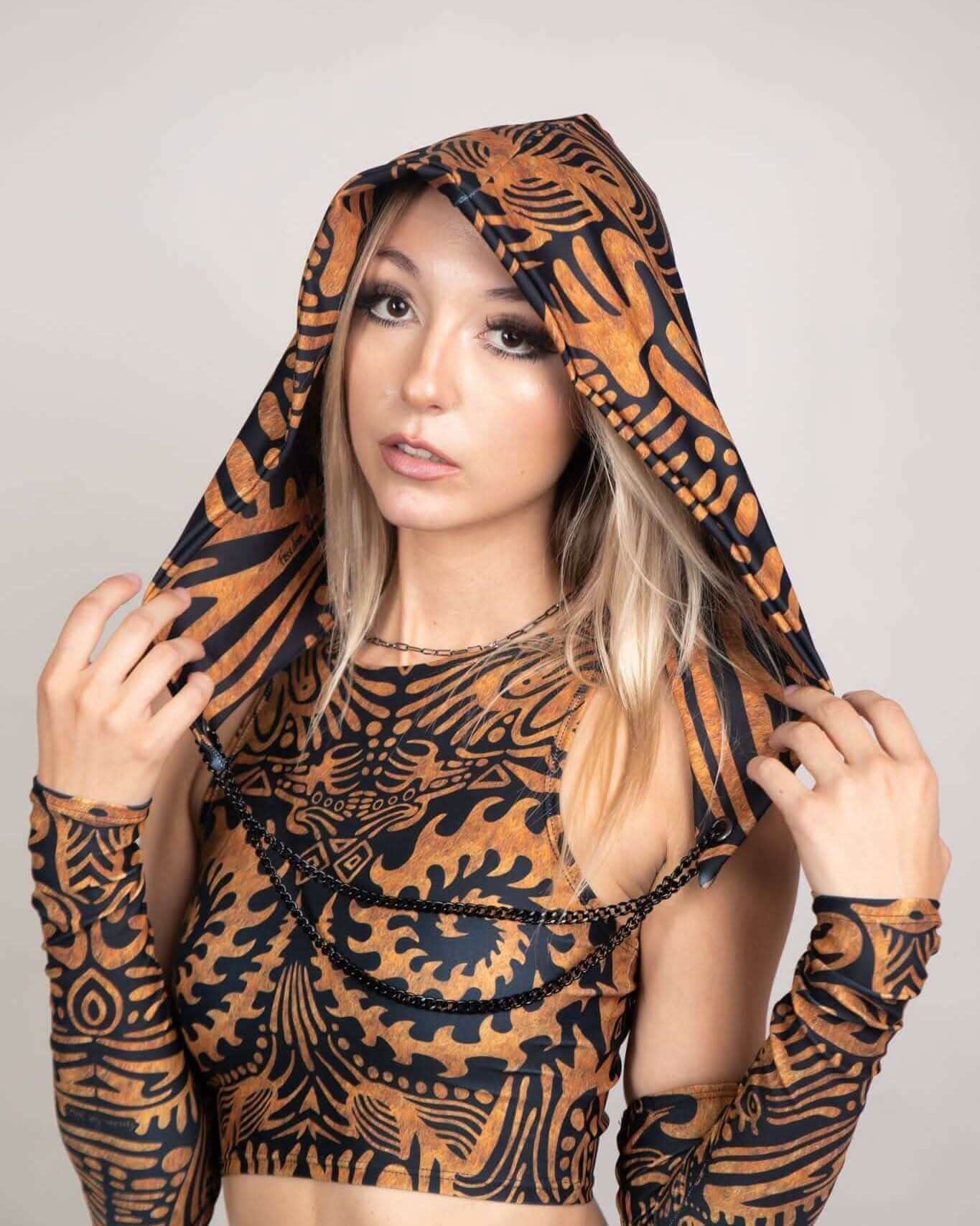
If you've ever scrolled through festival photos or stepped foot into a rave, you've probably noticed something immediately: the clothing tends to be... minimal. Bodysuits that barely cover the essentials, pasties instead of tops, shorts that could double as underwear. To outsiders, it might seem shocking or even confusing. But to those of us in the rave community, it makes perfect sense.
The question "why do ravers wear so little" isn't just about fashion—it's about freedom, function, and a cultural movement that's been building for decades. Whether you're a first-timer wondering what level of coverage feels right for you, or you're simply curious about rave culture fashion, understanding the "why" behind minimal rave clothing reveals something beautiful about self-expression, body confidence, and what happens when thousands of people come together to celebrate music, art, and acceptance.
The Evolution of Rave Fashion: From Underground Warehouses to Festival Main Stages
Rave fashion didn't start minimal. In fact, the earliest rave scenes of the late 1980s and early 1990s were characterized by oversized clothing—baggy jeans, massive hoodies, and parachute pants ruled the warehouse dance floors. The aesthetic was rooted in practicality and the underground nature of the scene itself. Raves were illicit, held in abandoned buildings and secret locations. Attendees dressed for comfort and anonymity, not Instagram.
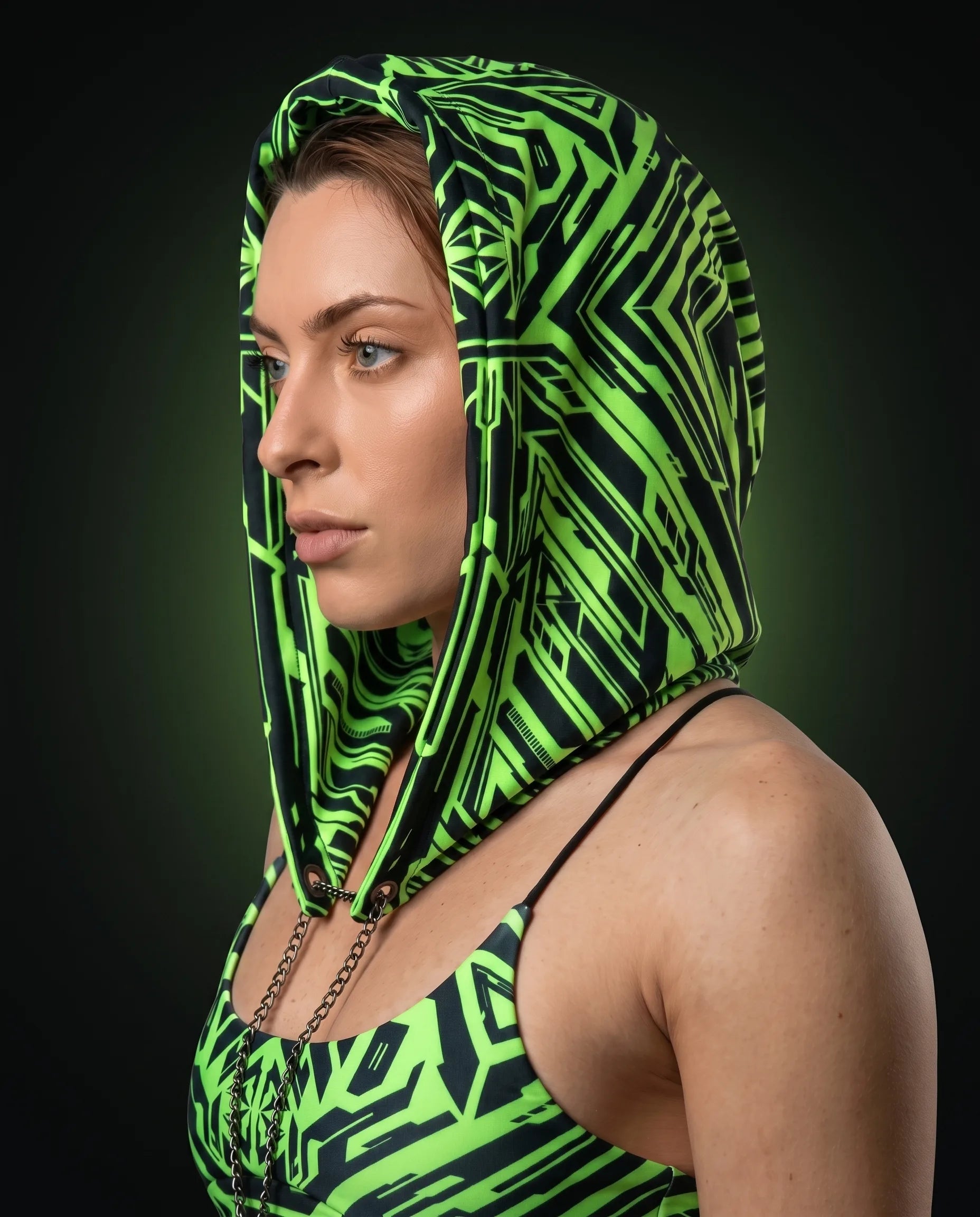
But as rave culture evolved and moved from dark warehouses to massive festival grounds, something shifted. The illegal underground parties of the 90s transformed into legitimate, sanctioned festivals like Electric Daisy Carnival, Tomorrowland, and Ultra. With this mainstream acceptance came a fashion revolution. Ravers no longer needed to hide in oversized clothes—they could celebrate openly, and their clothing became a form of that celebration.
By the mid-2000s, rave fashion had become its own distinct aesthetic. Kandi bracelets, neon colors, furry boots, and yes—increasingly minimal clothing. The shift wasn't random. It was a natural evolution driven by practical needs, cultural values, and the fundamental principle that defines rave culture: PLUR (Peace, Love, Unity, Respect). When you're in a space built on radical acceptance, the rules about what you "should" wear disappear.
The Festival Fashion Revolution
Today's rave fashion is a far cry from those baggy 90s raves. Modern festival fashion is theatrical, artistic, and unapologetically bold. It's not unusual to see elaborate costumes that took weeks to create, LED-embedded outfits that respond to music, or handcrafted pieces covered in holographic fabrics and sequins. And yes, many of these incredible looks involve very little fabric.
This evolution reflects a broader cultural shift. Festivals aren't just about the music anymore—they're about the experience, the art, the community. Your outfit is part of that art. It's a wearable expression of who you are and how you want to show up in a space where judgment is checked at the gate.
The Practical Truth: Heat, Movement, and Survival
Let's address the elephant in the room—or rather, the heat in the festival. If you've never danced for eight hours straight in 90-degree weather surrounded by thousands of other sweating humans, it's hard to fully grasp just how physically intense raving can be. This isn't a casual concert where you stand and sway. This is full-body, non-stop movement in conditions that would make a marathon runner sweat.
Minimal clothing isn't just a fashion choice—it's a survival strategy. When you're dancing from sunset to sunrise, every extra layer becomes suffocating. That cute long-sleeve crop top you thought looked amazing? You'll be tying it around your waist by hour two. Those full-length pants? They're now shorts thanks to the emergency fashion surgery you performed in the porta-potty.
The Science of Festival Heat
Music festivals create their own microclimates. You've got body heat from tens of thousands of people packed together, stage lighting that radiates warmth, and often outdoor venues with zero shade during peak sun hours. Your body is working overtime to cool itself down while you're demanding it perform athletic-level activity for hours on end.
Wearing less isn't about being provocative—it's about not passing out. It's about being able to dance through your favorite DJ's entire set without feeling like you're melting. It's about practical comfort in extreme conditions. Any experienced raver will tell you: you dress for the activity, not for standing still.
This is why you'll see seasoned festival-goers in bodysuits and matching sets designed specifically for rave conditions—breathable fabrics, moisture-wicking materials, and minimal coverage that still looks intentional and styled. It's functional fashion at its finest.
Bringing this look to life is easier with our rave outfits collection, and the festival outfits page makes the right starting block.
Self-Expression Without Boundaries: The Real Reason Behind Rave Fashion
But here's the truth that goes deeper than temperature regulation: ravers wear minimal clothing because they can. Because in that space, they're free to be exactly who they want to be without fear of judgment, harassment, or shame. That freedom is intoxicating, and it's the real heart of rave culture fashion.
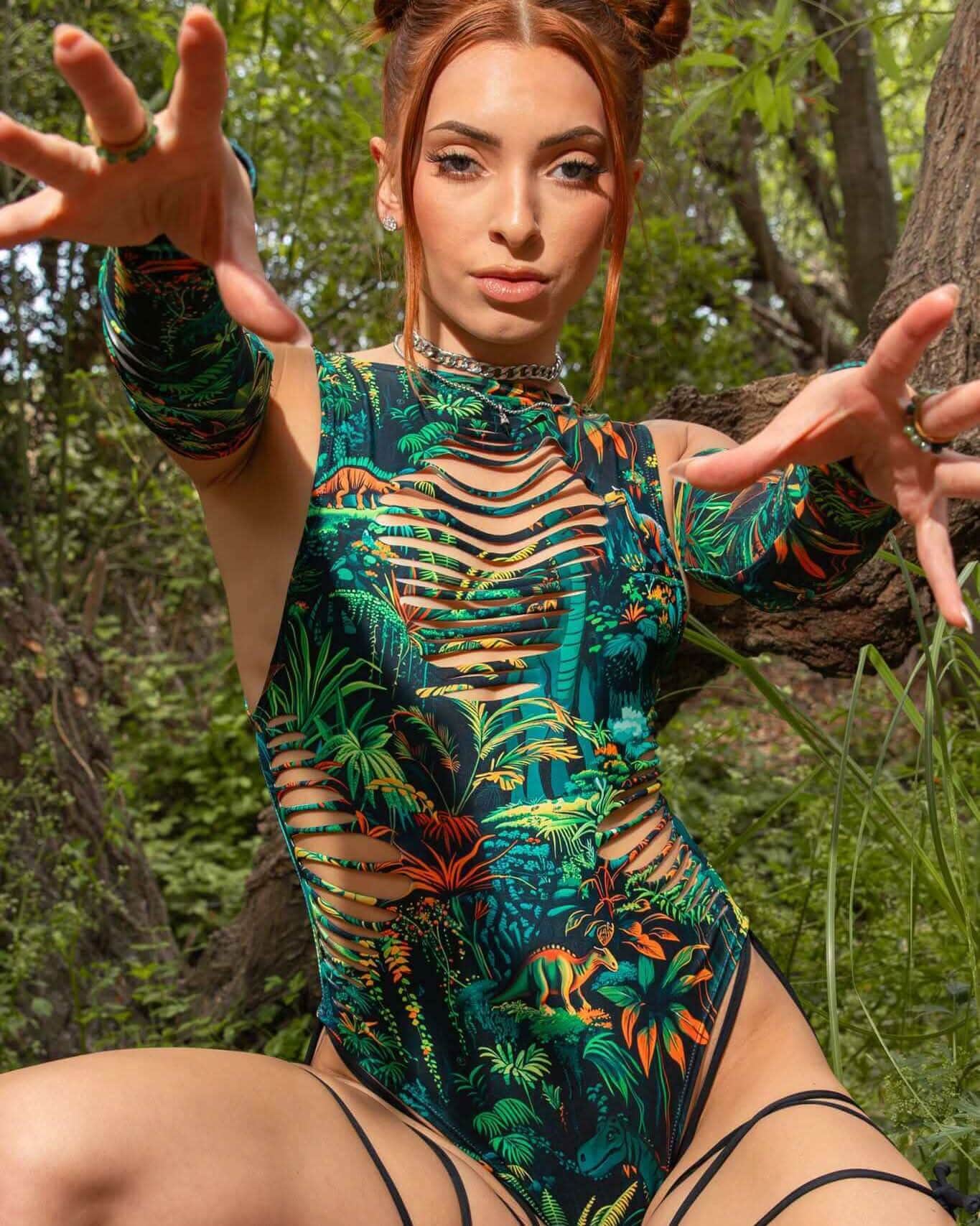
Think about your daily life. How often do you choose your outfit based on what's "appropriate" for work, family gatherings, or public spaces? How often do you second-guess a piece of clothing because it might be "too much" or "too revealing"? For most people, clothing choices are constantly filtered through other people's expectations and societal norms.
Raves flip that script entirely. The question isn't "will people think this is too much?"—it's "does this make me feel like the most authentic version of myself?" When the answer is yes, nothing else matters.
Fashion as Identity
Your rave outfit isn't just covering your body—it's announcing who you are. Are you the ethereal fairy in flowing white with flower crowns? The cybergoth in neon and chains? The glitter goddess dripping in holographic everything? The minimalist in a simple black bodysuit that lets your energy do the talking?
Each choice tells a story. And in a space where thousands of people are gathered, your outfit becomes your introduction before you ever speak a word. It's a visual representation of your inner world, made external. This is why you'll see people spend months planning and creating their festival outfits—it's not vanity, it's artistry. It's the same impulse that drives any artist to create: the need to make the invisible visible.
The minimal aspect of rave clothing actually enhances this self-expression rather than limiting it. When you strip away excess fabric, what remains becomes more intentional. Every piece matters. Every accessory is chosen deliberately. A simple holographic bodysuit paired with the right boots, jewelry, and attitude becomes a complete statement. Less isn't less—it's focus.
Body Confidence and the Culture of Acceptance
Perhaps the most beautiful aspect of rave fashion is how it intersects with body positivity and radical acceptance. At festivals, you'll see every body type wearing every style of clothing. Thin, curvy, athletic, soft—all bodies are celebrated in all outfits. This isn't a space where only certain bodies are "allowed" to wear certain things. It's a space where the only requirement is that you show up as yourself.
This culture of acceptance is built into the foundation of rave community through PLUR principles. Peace, Love, Unity, Respect—these aren't just nice words, they're the operating system of rave culture. You don't body-shame at raves. You don't judge someone's outfit choice. You don't make assumptions about someone's character based on how much skin they're showing. Those behaviors violate the core values of the community, and they're quickly called out.
The Confidence Transformation
Ask any raver about their first festival, and many will tell you a similar story: they arrived nervous about their outfit, worried about judgment, second-guessing their clothing choices. But within hours, something shifted. Surrounded by thousands of people celebrating their own authentic selves, that nervousness dissolved into confidence. By day two, they were wearing things they never imagined they'd feel comfortable in. By the end of the festival, they felt more confident in their body than they had in years.
This transformation isn't magic—it's what happens when you remove judgment and replace it with acceptance. When you see people of all sizes wearing the same styles with equal confidence, your own internal critic quiets down. When you realize that literally no one is staring at you critically because everyone is too busy having their own experience, you relax into yourself.
The minimal clothing isn't causing the confidence—the confidence is allowing the minimal clothing. And once you experience that freedom, it's hard to go back to letting fear dictate your fashion choices.
Finding Your Comfort Level: A Guide for First-Timers
If you're new to rave culture and wondering what to wear to a rave, the most important thing to understand is this: there's no dress code. You can show up in a full bodysuit with maximum coverage and be just as welcomed as someone in pasties and shorts. Your comfort is what matters, not conforming to any particular level of coverage.
That said, here's some practical guidance for finding your sweet spot:
Start With What Feels Right
Don't force yourself into something that makes you uncomfortable just because you think that's what you're "supposed" to wear. If you're more comfortable in a crop top and high-waisted shorts, start there. You can always bring additional pieces to add or remove as you gauge your comfort level throughout the event.
Many first-timers use a layering strategy: start with a base outfit that offers more coverage, then bring a bag with more minimal options. As the day progresses and you feel more comfortable in the space, you can adjust. There's no shame in easing into it.
Consider the Practical Elements
Beyond comfort levels, think about practicality. Will you be able to dance for hours in this? Can you use the porta-potty without a wardrobe crisis? Does this fabric breathe, or will you be miserable by hour three? Is this something you can easily adjust or layer?
The best rave outfits balance expression with function. That incredible elaborate costume might look amazing in photos, but if it's uncomfortable or restrictive, you won't enjoy your experience. And if you're not enjoying yourself, what's the point?
Focus on What Makes You Feel Powerful
The right rave outfit should make you feel like the best version of yourself. Not the version you think you "should" be, or the version that looks like everyone else—the version that feels authentic to who you are. Maybe that's bold and minimal. Maybe it's colorful and covered. Maybe it changes from day to day. All of it is valid.
Pay attention to how you feel when you try on potential outfits. Does this make you want to dance? Does seeing yourself in the mirror make you smile? Do you feel confident, comfortable, and ready to celebrate? Those are the feelings you're chasing, regardless of how much fabric is involved.
Rave Fashion Essentials at Every Coverage Level
One of the beautiful things about modern rave fashion is that it exists on a spectrum. You can create stunning, on-theme looks at any level of coverage you're comfortable with. Here's how:
Maximum Coverage, Maximum Style
Full coverage doesn't mean boring. Jumpsuits with strategic cutouts, mesh panels that create visual interest without showing skin, and bodysuits with long sleeves but plunging backs all offer coverage while maintaining that festival aesthetic. Pair them with statement boots, layered jewelry, and a killer attitude, and you're absolutely festival-ready.
Fabrics matter here—choose materials that breathe and move with you. Holographic fabrics, mesh overlays, and strategic sheer panels can add visual interest without compromising your comfort level with coverage.
Medium Coverage: The Sweet Spot
This is where most ravers land: bodysuits, matching two-piece sets, crop tops with shorts or skirts. There's enough coverage to feel secure, but minimal enough to stay cool. This level offers the most versatility for mixing and matching pieces and creating different looks throughout a multi-day festival.
This coverage level also tends to be the most practical for dancing—you're not worrying about things shifting or moving around, but you're also not overheating. It's the Goldilocks zone of rave fashion.
Minimal Coverage: Statement-Making
For those who love the freedom and boldness of minimal coverage, the options are endless and artistic. From elaborately decorated bras and bottoms to creative pasty designs, from sheer bodysuits to strategically placed body chains—minimal coverage becomes a canvas for creativity.
At this level, accessories become even more important. Kandi, body chains, leg wraps, arm warmers, and statement jewelry help create a complete look even with less fabric. The outfit becomes about the overall aesthetic and how all the elements work together.
Fashion as Art: When Your Outfit Becomes Performance
Perhaps one of the most overlooked aspects of rave fashion is how it functions as wearable art. At major festivals, you'll see outfits that took hundreds of hours to create—handmade pieces covered in crystals applied one by one, LED systems integrated into clothing, fiber optic elements that create moving light shows, elaborate headpieces that are genuine sculpture.
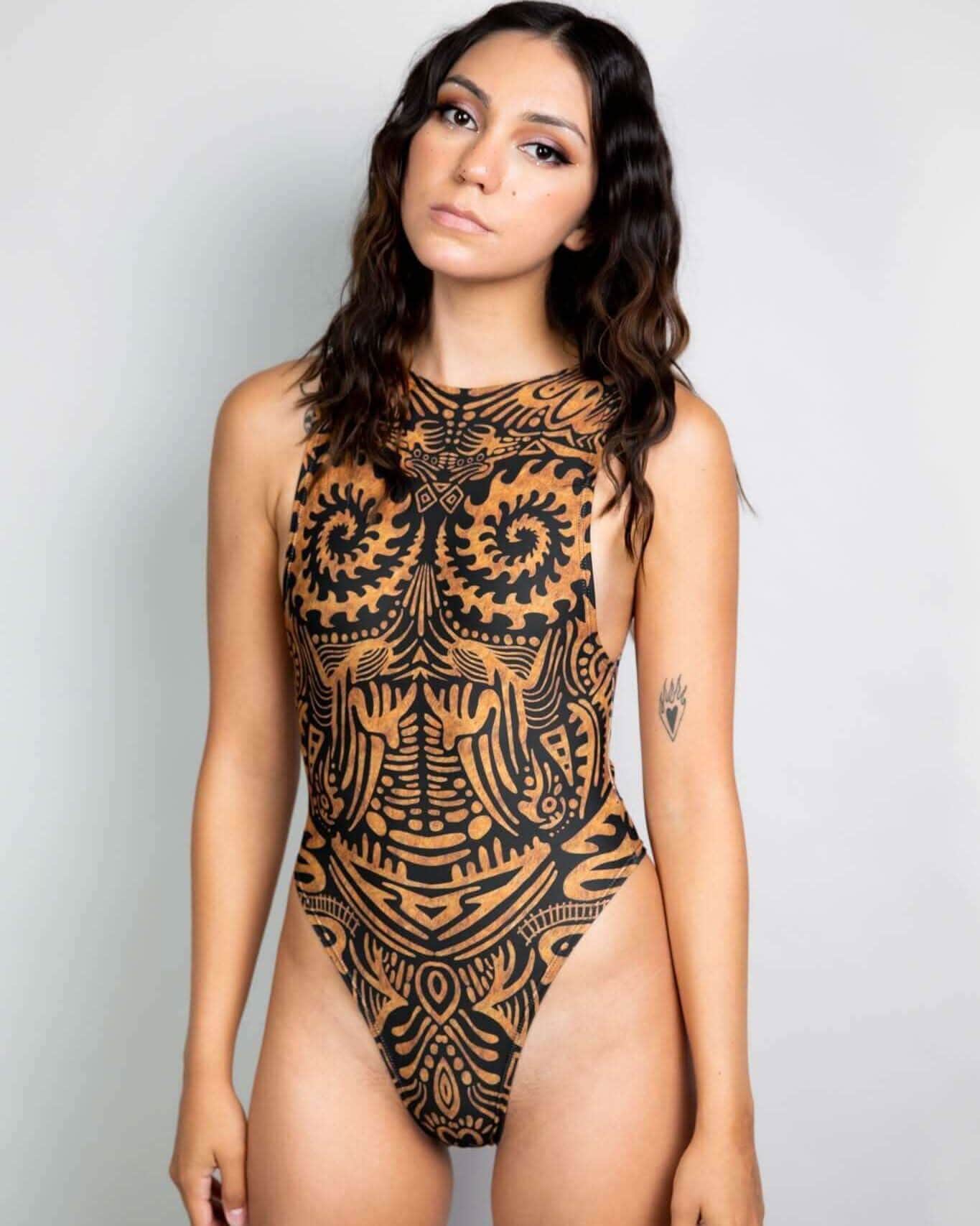
This is fashion as performance art. Your body becomes the gallery, and your outfit is the exhibition. When you understand rave fashion through this lens, the minimal coverage makes even more sense—it's like a painter choosing a smaller canvas to force themselves to be more intentional with every brushstroke.
The Handmade Revolution
Many serious ravers create their own pieces or commission custom work from artists within the community. There's a thriving underground economy of rave fashion creators who specialize in one-of-a-kind pieces. This isn't fast fashion—it's slow, intentional, artistic fashion that celebrates craftsmanship.
When someone shows up in a handmade outfit that took weeks to create, the minimal coverage highlights the artistry rather than hiding it. Every crystal catches the light. Every detail is visible. The body becomes a moving sculpture, and the outfit is the medium through which the artist expresses their vision.
Technology Meets Fashion
Modern rave fashion increasingly incorporates technology—LED strips that pulse with the music, EL wire that creates glowing outlines, fiber optics that turn outfits into light shows, even projection-mapped clothing. These technical elements work best with minimal fabric—you can't see the full effect of LED integration when it's hidden under layers.
This tech-forward approach represents the cutting edge of wearable art, and festivals are the perfect venue. Where else can you wear a fully programmable LED outfit that responds to bass frequencies? Where else is that level of creative expression not just accepted but celebrated?
The Cultural Context: Understanding PLUR and Festival Philosophy
You can't truly understand rave fashion without understanding the philosophy that underpins rave culture. PLUR—Peace, Love, Unity, Respect—isn't just a catchy acronym. It's a set of operating principles that create an environment where radical self-expression becomes possible.
Peace means leaving your judgment at the door. Love means celebrating others' authentic expression. Unity means recognizing that we're all part of the same experience. Respect means honoring boundaries, choices, and differences.
In a space operating under these principles, the question "why do ravers wear so little" is actually beside the point. The real question is: in a space without judgment, what would you wear? What would you choose if you knew you'd be accepted exactly as you are? Rave fashion is the answer to that question, manifested in fabric, glitter, and LED lights.
The Sacred Space Concept
Many ravers describe festivals as sacred spaces—not religious, but sacred in the sense that they're set apart from ordinary life. Different rules apply. Different possibilities exist. You can be a version of yourself that doesn't fit into your daily life, and that's not only okay—it's encouraged.
In this context, minimal clothing isn't about sex or provocation. It's about shedding the armor we wear in daily life—both literal and metaphorical. It's about being vulnerable and open and authentically yourself in a space where that vulnerability is protected by community agreement.
Understanding this context helps explain why rave fashion stays at raves. It's not that people are ashamed of their festival looks—it's that those looks exist within a specific cultural context that makes them meaningful. Wearing minimal rave fashion to the grocery store misses the point entirely. The clothing is part of a larger experience, not a standalone statement.
Safety, Consent, and Community Standards
An important aspect of rave culture that enables minimal fashion is the community's strong stance on consent and safety. Despite—or perhaps because of—the revealing nature of many outfits, festival communities have developed robust cultural norms around respect and boundaries.
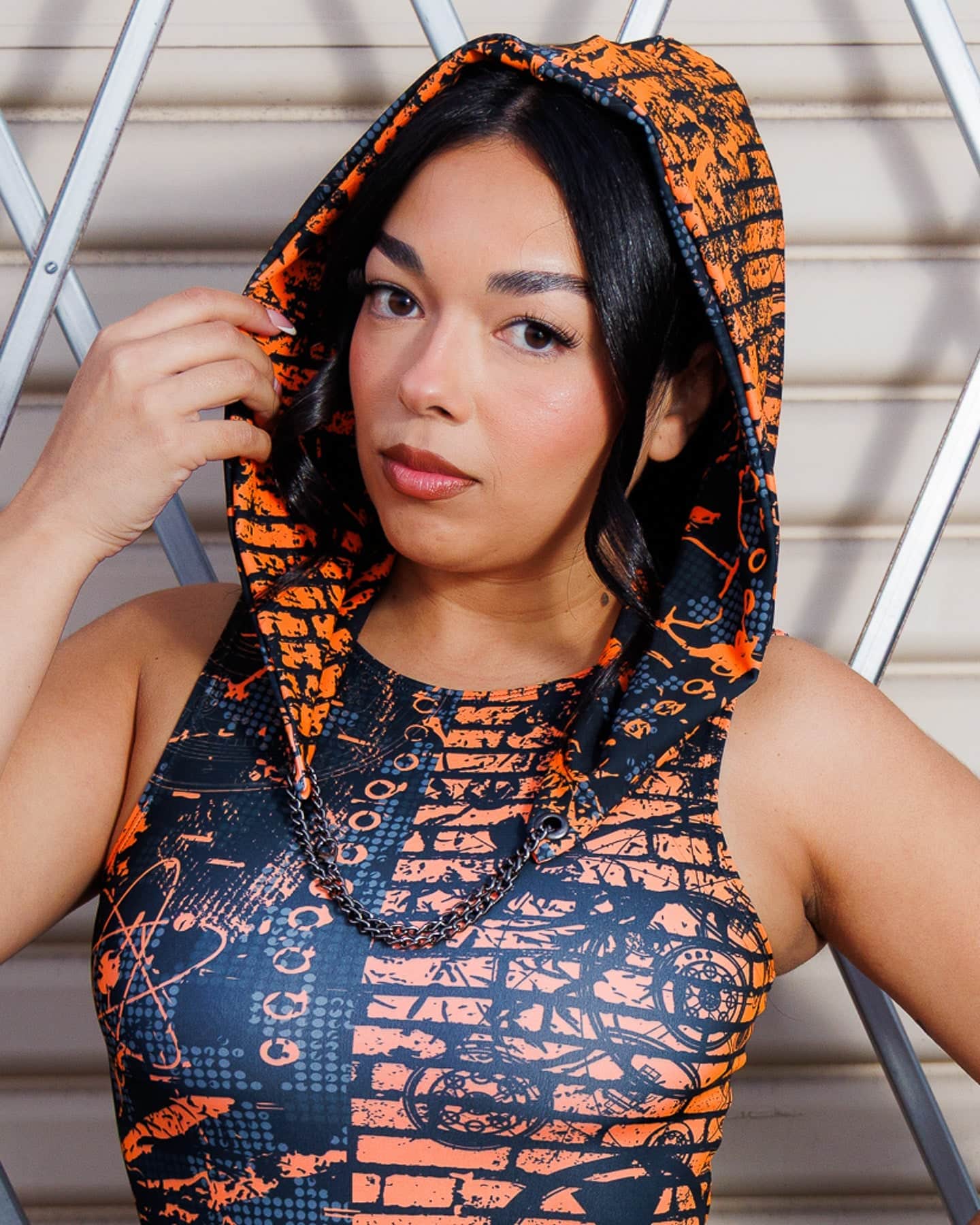
The general rule is simple: your outfit is never an invitation. Minimal clothing doesn't mean someone can touch you without permission. This norm is actively enforced through community accountability and festival security. Most major festivals have clear policies and reporting mechanisms for harassment.
This creates a feedback loop: the strong consent culture enables people to dress minimally without fear, which reinforces the community's commitment to maintaining those safety standards. It's a virtuous cycle built on mutual respect.
Creating Safe Spaces
Festival organizers and the community at large work together to maintain these standards. You'll see "consent is sexy" campaigns, clear reporting procedures for harassment, trained safety ambassadors, and zero-tolerance policies for predatory behavior. The message is consistent: everyone deserves to feel safe regardless of what they're wearing.
This infrastructure is what makes the freedom of rave fashion possible. Without it, the vulnerability of minimal clothing would feel dangerous. With it, that same vulnerability becomes empowering. You can wear what you want because the community has collectively agreed to protect your right to do so.
Common Questions About Rave Fashion
Is there a dress code for raves?
No formal dress code exists, but most festivals do have basic requirements (shoes, some form of clothing, nothing with offensive symbols). Beyond those basics, you have complete freedom. First-time ravers often worry about not having the "right" outfit, but the truth is there's no wrong answer. Wear what makes you feel confident and comfortable.
Will I look out of place if I wear more coverage?
Absolutely not. At any festival, you'll see the full spectrum from fully covered to barely there. What matters is that you're showing up authentically. Some of the most stunning festival looks involve significant coverage—it's all about how you style and own your outfit.
What should I bring for changing weather?
Desert festivals are notorious for massive temperature swings—95 degrees during the day, 50 degrees at night. Bring layers you can add or remove. A light jacket or wrap that matches your aesthetic can be both functional and stylish. Consider how pieces work together so you're not carrying excess items all day.
How do people afford these elaborate outfits?
Rave fashion exists at every price point. Some people invest heavily in custom pieces or designer festival wear. Others DIY everything from thrift store finds and craft supplies. Many ravers build their festival wardrobe over time, adding key pieces with each event. There's no requirement to spend hundreds—creativity matters more than cost.
Can guys wear minimal clothing too?
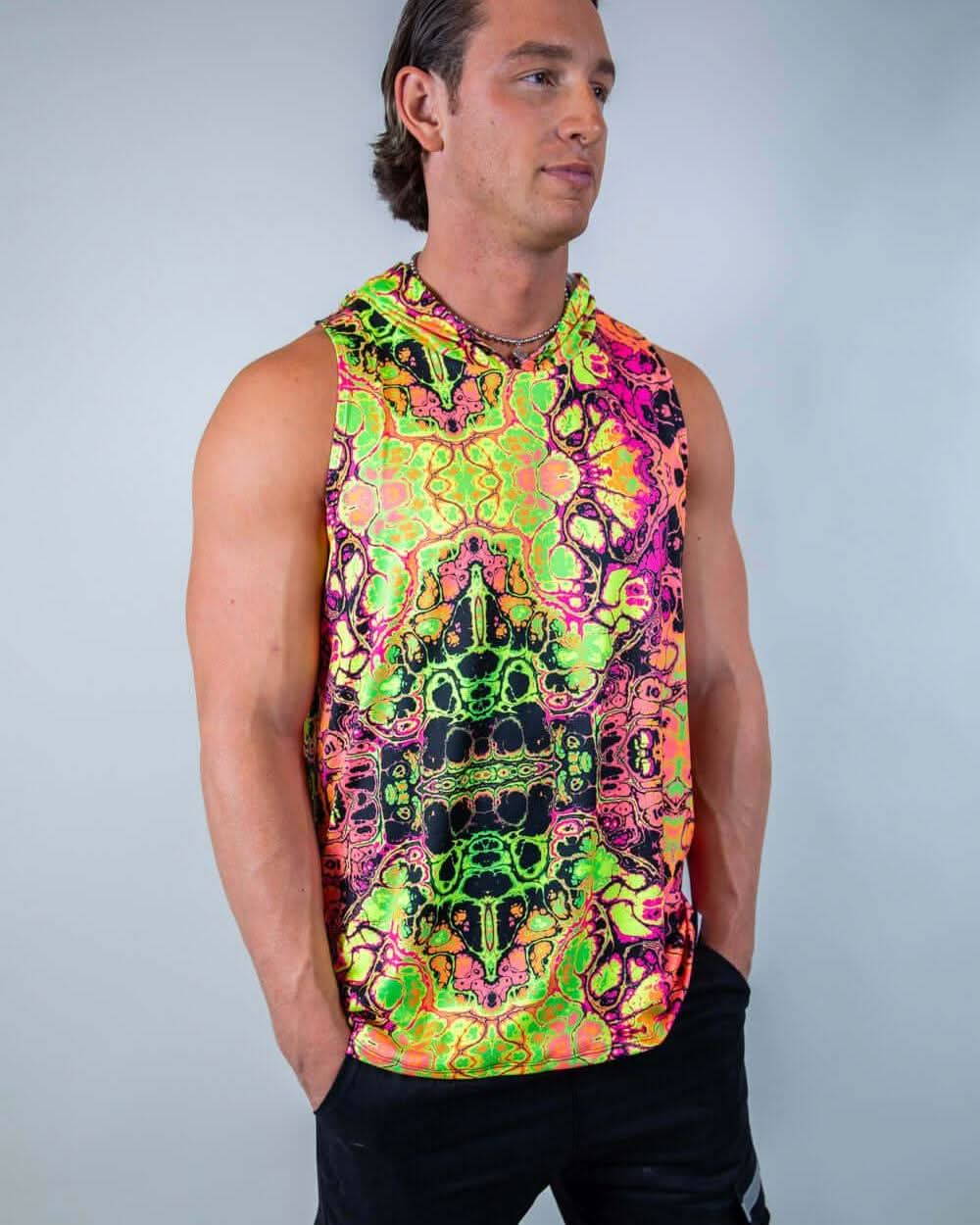
Absolutely. Male-presenting ravers increasingly embrace minimal fashion—chest harnesses, mesh tanks, short shorts, even creative takes on traditionally feminine pieces. The body positivity and acceptance of rave culture extends to all genders exploring fashion outside traditional norms. If you want to wear it, wear it.
Celebrating the Freedom to Choose
At its core, the question "why do ravers wear so little" reveals assumptions about clothing, propriety, and self-expression that rave culture actively challenges. The answer isn't simple because the question itself is loaded with external judgments that don't exist within festival spaces.
Ravers wear minimal clothing because it's practical for the physical demands of dancing for hours. They wear it because it enables self-expression in ways that fuller coverage sometimes can't. They wear it because they exist in a cultural space that has collectively agreed to remove judgment and replace it with acceptance. They wear it because for many people, it's the only place they feel free to explore that aspect of their identity.
But perhaps most importantly, ravers wear minimal clothing because they can make that choice freely, without fear of judgment or harassment, in a community that will support and protect that choice. That freedom is precious, and it's what makes festival fashion meaningful rather than merely provocative.
Whether you show up in a full bodysuit or just pasties and confidence, the rave community will welcome you exactly as you are. The only requirement is that you extend that same acceptance to everyone around you. That's the real magic of rave culture—not the clothing itself, but the freedom it represents.
Your festival outfit is your choice, your expression, your art. It's a celebration of who you are in a space designed specifically for that celebration. So whether you're drawn to minimal coverage or maximum style, trust your instincts. Wear what makes you feel like the most powerful version of yourself. Dance like nobody's watching—because in the best way possible, they're really not. They're too busy having their own experience, wearing their own expression of freedom.
That's why ravers wear so little. Or so much. Or anything in between. Because in that space, the only person who decides what you should wear is you. And that freedom? That's what rave fashion is really about.