
Rave etiquette is one of those things that separates a forgettable night from the kind of festival experience you carry with you forever. Raves are more than music events — they're living, breathing communities built around respect, unity, and radical self-expression. Whether you're stepping through the gates for the first time or you've been chasing the sunrise at festivals for years, understanding the unwritten rules of rave culture can transform your experience and elevate the energy of everyone around you.
This guide breaks down the essential do's and don'ts of rave etiquette so you can show up with confidence, connect with your rave fam, and leave the festival grounds knowing you contributed something real to the collective vibe.
Dress for You, Not for Anyone Else
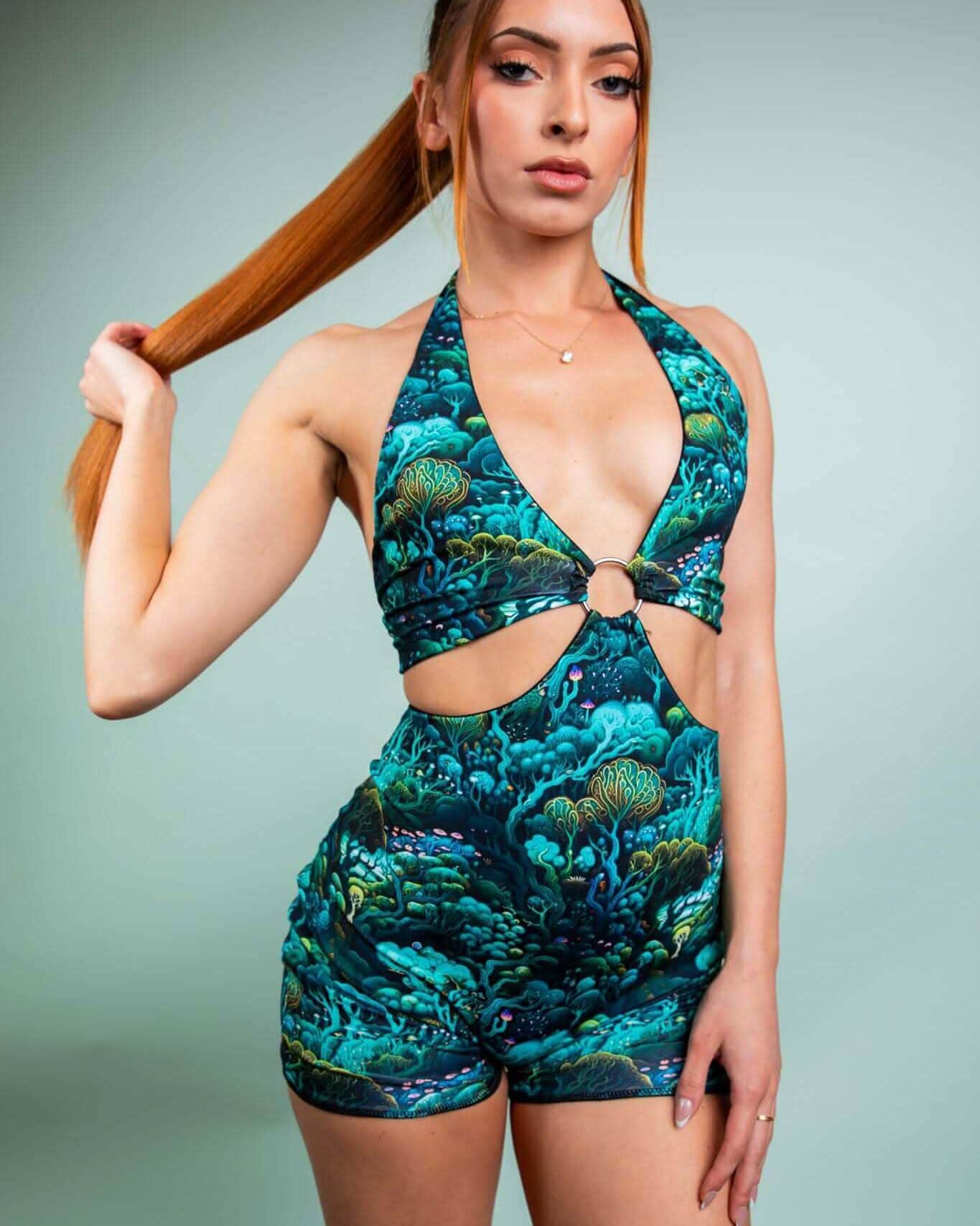
If you're the kind of person who sees clothing as a form of self-expression — not just something to throw on — then the festival grounds are your runway. Rave fashion is one of the most celebrated elements of the culture, and it exists for one reason: to help you become the most uninhibited, authentic version of yourself. There are no rules about what's "too much" or "not enough." There's only what feels right on your body under the lights.

Choose rave outfits that let you move freely through hours of dancing. Comfort matters just as much as aesthetics when you're deep into a four-hour set and the temperature shifts from scorching afternoon heat to cool desert night air. Fabrics that wick moisture, stretch with your body, and hold up through sweat and movement are non-negotiable for a seasoned raver.
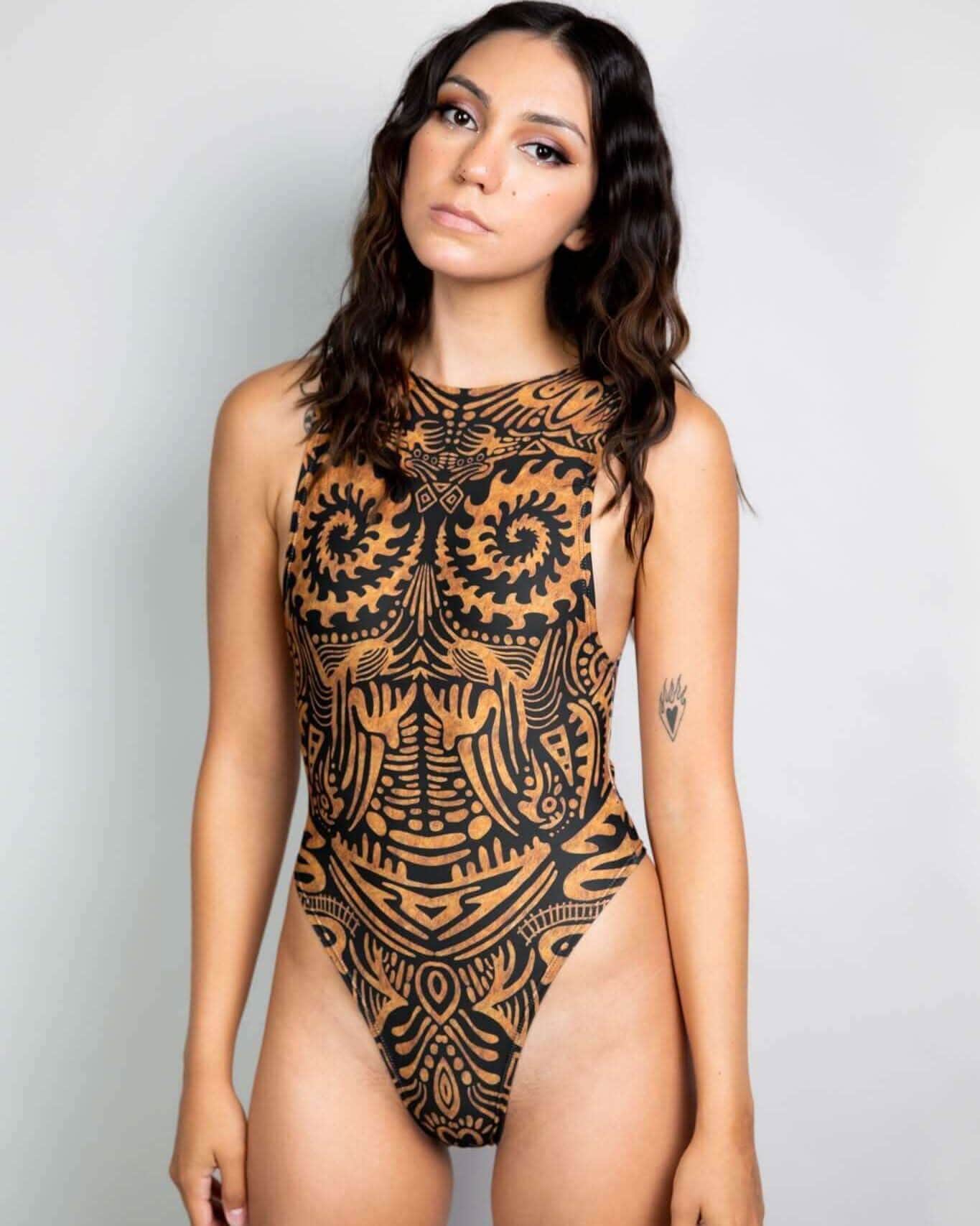
From bold rave bodysuits that catch the light to expressive festival tops layered with rave scarves, your outfit is your invitation for connection. It's the conversation starter, the compliment magnet, the thing that makes a stranger across the crowd point and grin. And if you're going with your partner, coordinating matching rave outfits is one of the most fun ways to level up the experience together.
Rave fashion is also deeply inclusive. No matter your body type or gender identity, the culture welcomes all forms of expression. Explore plus size rave outfits and men's rave outfits designed with the same boldness and quality — because self-expression doesn't come in one size.
Stay Hydrated and Prepared
This isn't just a suggestion — it's survival advice. Dancing for hours under stage lights or open sun pushes your body hard. Dehydration creeps up fast, and it can turn a peak moment into a medical emergency before you realize what's happening.
Always carry a refillable water bottle. Most major festivals, including events like Electric Daisy Carnival and Bonnaroo, provide free water refill stations throughout the venue. Use them. Make it a habit to drink water between sets, even when you don't feel thirsty. Your body is burning through fluids faster than you think.
Beyond water, think about electrolytes. Bringing electrolyte packets or tablets can help replace what sweat strips away. Pair that with small, energy-sustaining snacks — granola bars, dried fruit, nuts — and you'll maintain the stamina to dance from dusk until the sun paints the sky again.
Preparation also means thinking about the elements. Sunscreen during the day, a light layer for nighttime temperature drops, and comfortable shoes you've already broken in. The ravers who last the longest aren't the toughest — they're the most prepared.
Bookmark our rave outfits collection for inspiration, and head straight to the festival outfits when you know the look.
Respect Personal Space and Boundaries
The energy at a rave is magnetic. Crowds press together, strangers become friends, and the bass makes everyone move as one organism. But even in that beautiful chaos, personal space still matters. Being aware of the people around you is one of the most important pieces of rave etiquette you can practice.

When you're navigating through a packed crowd to reach a stage, move with intention and courtesy. A gentle tap on the shoulder, a smile, and a "excuse me" go a long way. Pushing, shoving, or forcing your way through sends the wrong energy into a space that thrives on mutual respect.
On the dance floor, give people room to move. If the area is especially dense, keep your elbows in and your awareness up. Accidentally bumping into someone is inevitable — what matters is how you respond. A quick apology, a friendly nod, and you've turned a potential moment of friction into a connection.
Pay attention to body language. If someone steps back from you or turns away, respect that signal without taking it personally. Not everyone is in the same headspace at every moment, and honoring that is what separates a respectful raver from someone who drains the energy of those around them.
Participate in the Community
Rave culture has always been rooted in the principle of PLUR — Peace, Love, Unity, Respect. It's not just a slogan on a kandi bracelet. It's a framework for how to move through shared spaces with generosity and openness.
Participate in the communal spirit. Join a dance circle when it forms. Offer your water bottle to someone who looks like they need it. Trade kandi with strangers. Compliment someone's outfit — especially when you can tell they put their whole heart into it. These small gestures create ripple effects that shape the entire atmosphere of a festival.
If you see someone sitting alone and looking overwhelmed, check in. A simple "Hey, are you okay? Do you need water?" can be the difference between someone having a scary night and someone rediscovering why they fell in love with this culture in the first place. The rave fam looks out for each other — that's not optional, it's foundational.
Many festivals also have designated safe spaces, medical tents, and peer support volunteers. Familiarize yourself with where these resources are located when you arrive. Knowing where to go — or where to direct someone who needs help — is one of the most powerful things you can carry into a festival.
Protect Your Hearing
The music is the reason you're there. The chest-rattling bass, the crystalline highs, the drop that makes ten thousand people lose their minds simultaneously — it's transcendent. But that volume comes at a cost if you don't protect yourself.

Prolonged exposure to sound levels above 85 decibels can cause permanent hearing damage, and festival sound systems regularly push well past 100 decibels. That's not a scare tactic — it's physics. And the damage is cumulative, meaning every unprotected set adds up over the years.
Invest in high-fidelity earplugs designed specifically for live music. Unlike foam drugstore plugs that muffle everything, musician-grade earplugs reduce volume evenly across frequencies. The music sounds exactly the same — just safer. Many experienced ravers consider their earplugs as essential as their wristband.
Think about it this way: you want to be the raver who's still chasing sunrises twenty years from now, still feeling the bass, still hearing every detail of a set. Protecting your ears today is how you guarantee that future.
Leave No Trace
Raves often happen in stunning environments — deserts, forests, open fields, urban parks. These spaces are borrowed, not owned. And how the rave community treats them directly impacts whether future events can happen in the same locations.
The rule is simple: leave the space better than you found it. Use the trash and recycling bins provided by the festival. If bins aren't nearby, carry a small bag — a ziplock or even a grocery bag stuffed in your pocket — to hold your waste until you find one. It takes almost zero effort and makes a massive difference.
Be mindful of what you bring in. Single-use plastics, glitter that isn't biodegradable, glow sticks that crack and leak — these all leave a footprint that the environment absorbs long after the last speaker is packed up. Choose reusable alternatives when possible. Many festival-tested ravers carry reusable cups, biodegradable face gems, and eco-friendly body glitter.
When the festival ends and you're walking back to camp or your car, pick up a few pieces of trash along the way — even if they aren't yours. It's a small act that embodies the communal spirit of rave culture and ensures these spaces remain available for the next generation of dancers.
Consent Is Non-Negotiable
This is the most important section of any rave etiquette guide, and it deserves to be stated clearly: consent is required for every interaction. Full stop.
That applies to physical contact — hugs, dancing closely, touching someone's outfit or accessories. It applies to photography and video — never point a camera at someone without asking first, especially in a culture where people come to express sides of themselves they may not show in everyday life. And it applies to conversation — if someone doesn't want to talk, that boundary deserves immediate respect.
The festival space feels like a utopia, and in many ways it is. But that utopia only exists because the people inside it actively choose to respect each other. One person ignoring consent doesn't just affect their interaction — it fractures the trust that the entire community is built on.
If you witness someone being harassed or a situation that feels unsafe, intervene if you can do so safely, or immediately find event security or a festival volunteer. Being a bystander who acts is one of the most impactful things you can do for the culture.
Show Up as Your Best Self
Rave etiquette isn't a checklist you memorize and forget. It's a mindset you carry from the moment you walk through the gates to the moment you leave. Dress in something that makes you feel unstoppable — explore rave clothing that's handcrafted with intention, not mass-produced in a warehouse overseas. Hydrate relentlessly. Protect your hearing. Respect every person you share space with. Leave the grounds cleaner than you found them.
When you move through a festival with this kind of awareness, something shifts. You stop being a spectator and become part of the living heartbeat of the event. You become someone others gravitate toward — not because of what you're wearing, but because of the energy you carry. The outfit just makes sure they notice you first.