The evolution of EDM festivals is one of modern music's most remarkable stories — a journey from secret warehouse raves to stadium-sized spectacles that unite millions of people across every continent. If you've ever felt the bass rattle through your chest beneath a canopy of lasers, you already know that electronic dance music isn't just a genre. It's a culture, a community, and for many of us, a way of life. Understanding where this movement came from makes every festival moment hit even harder.
The Underground Beginnings: Where It All Started
The roots of EDM festivals stretch back to the late 1980s and early 1990s, when electronic music thrived in the shadows of mainstream culture. In cities like Chicago, Detroit, London, and Berlin, DJs and producers were crafting entirely new sonic landscapes — house, techno, acid, and breakbeat — often with little more than a drum machine, a synthesizer, and a borrowed sound system.
The gatherings that formed around this music were raw, spontaneous, and deliberately underground. Illegal raves popped up in abandoned warehouses, empty fields, and secret urban locations, promoted through word of mouth and photocopied flyers. Attendance was rarely more than a few hundred people, and that intimacy was the point. There were no VIP sections, no corporate sponsors, no Instagram stories — just bodies moving together in the dark, connected by a shared devotion to the beat.
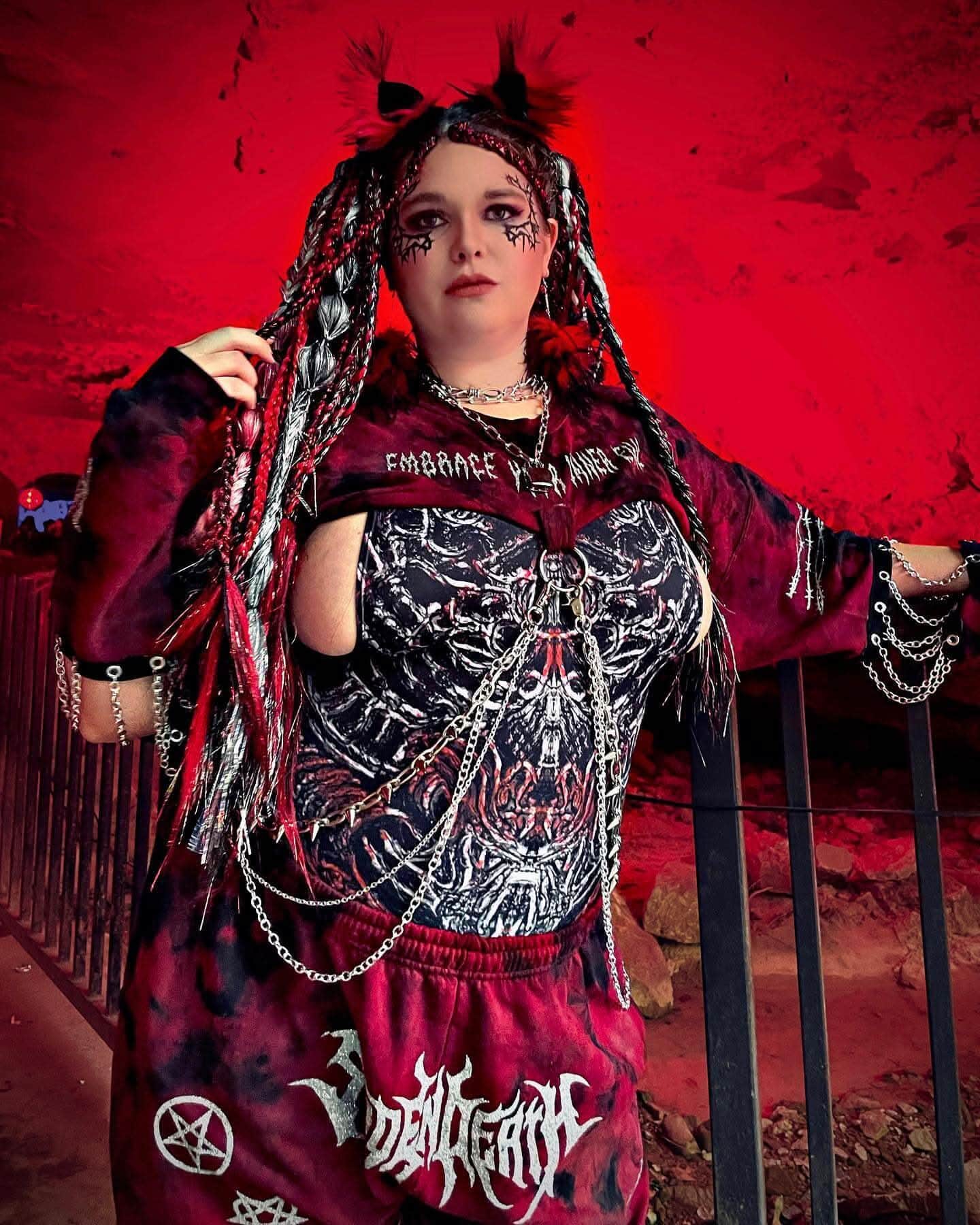
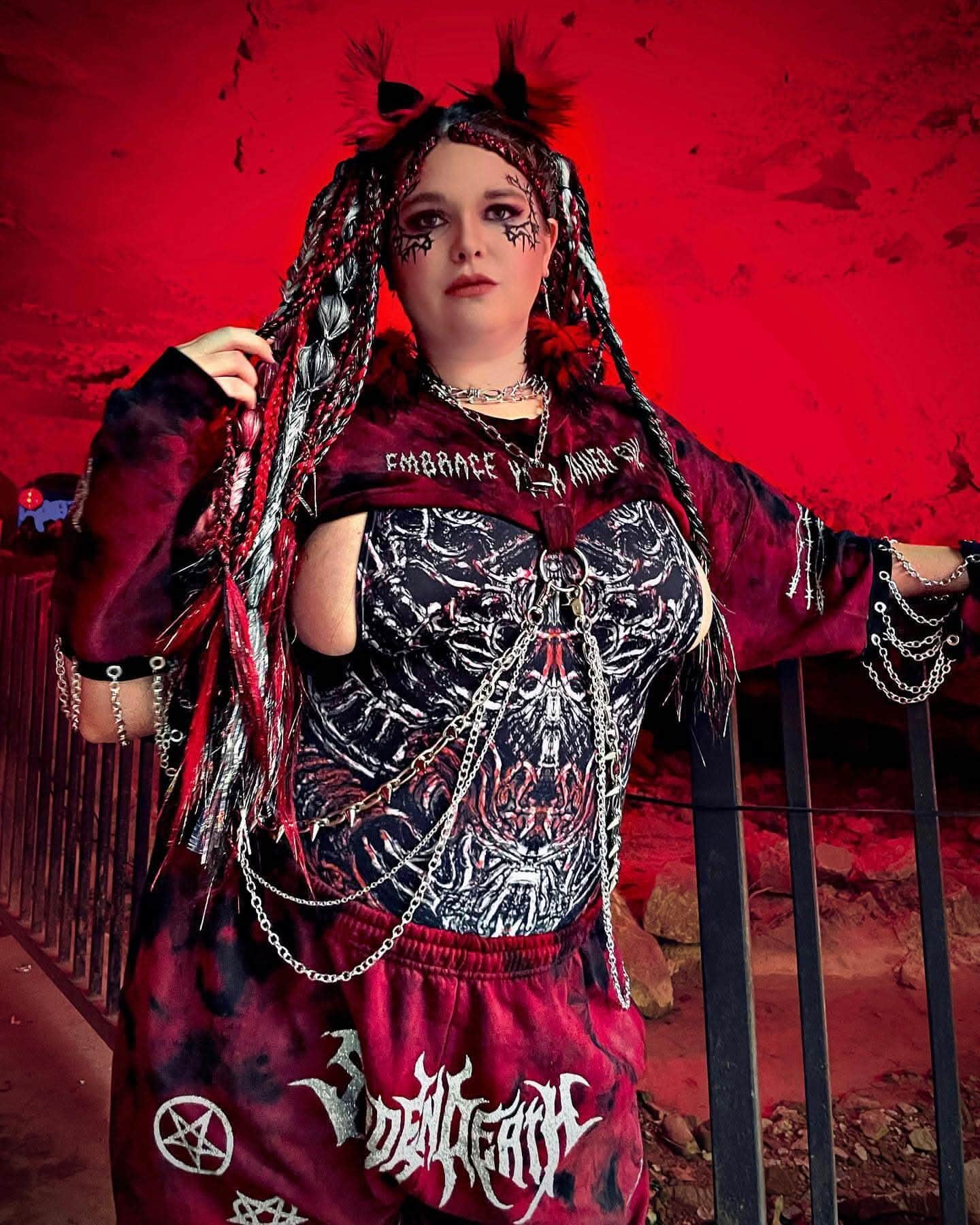
These early raves also established the cultural values that still define festival life today: radical inclusivity, freedom of self-expression, and a rejection of the gatekeeping that dominated mainstream nightlife. The fashion was homegrown — DIY, bold, and unapologetically weird. People wore what made them feel free, not what was trending. That same spirit lives on in the rave outfits and handcrafted festival wear that define the scene in 2026.
The Rise of Festival Culture in the Late 1990s and 2000s
By the mid-to-late 1990s, electronic music had grown too loud and too beloved to stay underground. Promoters began organizing larger, legalized events that could accommodate swelling demand while offering safer environments for attendees. This era marked the birth of the modern EDM festival as we know it.
Creamfields launched in the UK in 1998, bringing world-class electronic acts to open-air stages for the first time at scale. Across the Atlantic, Electric Daisy Carnival (EDC) was evolving from a Southern California warehouse party into a multi-day, multi-stage extravaganza. These festivals proved that electronic music could fill fields and stadiums — and that fans were hungry for immersive, multi-sensory experiences that went far beyond a typical concert.
A New Kind of Music Festival
What set these early EDM festivals apart from rock-centric events like Woodstock or Glastonbury was the emphasis on the collective experience over individual performers. The DJ booth was often positioned at the center of the crowd rather than elevated above it. Light shows, art installations, and costumed performers became just as important as the lineup itself.
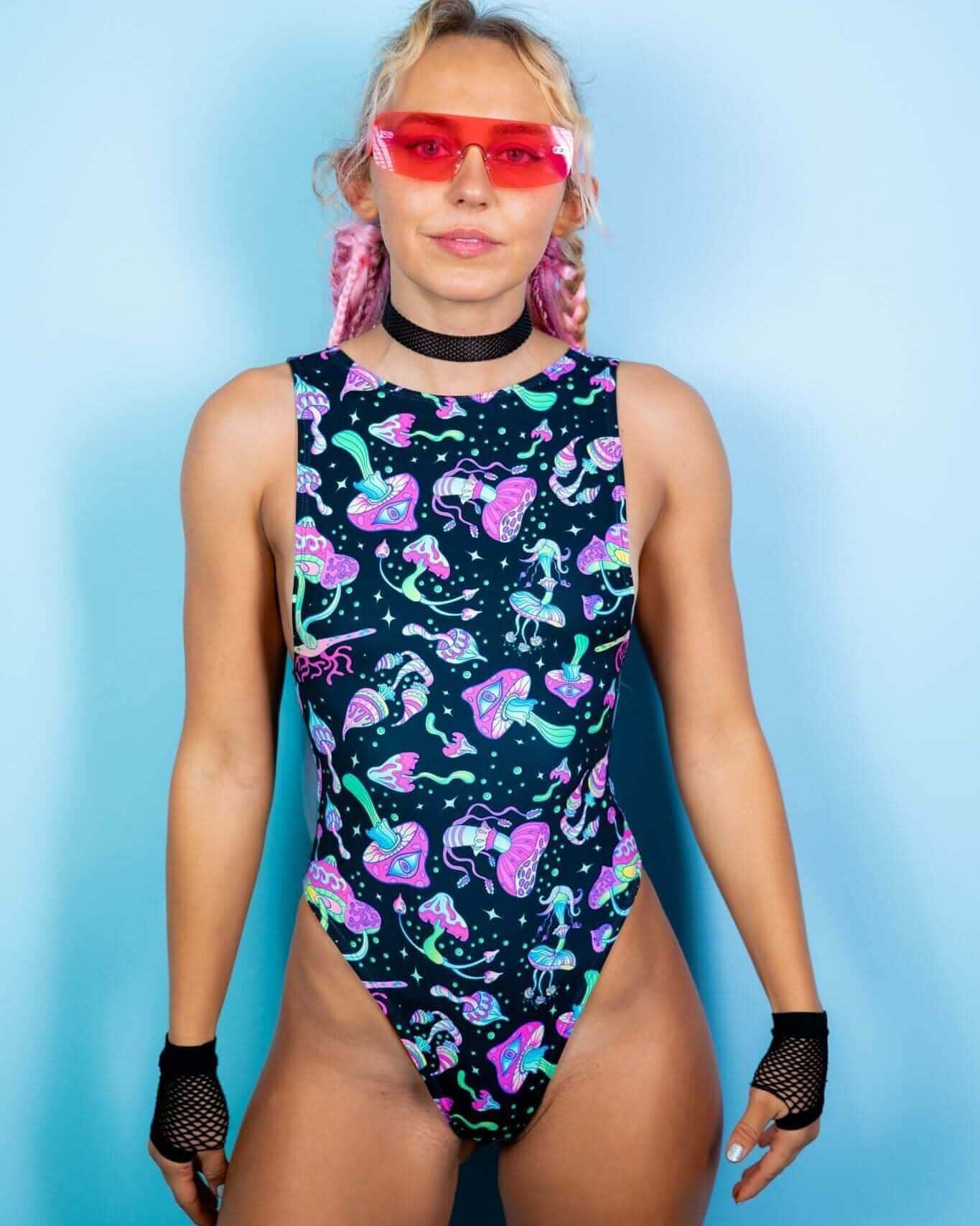
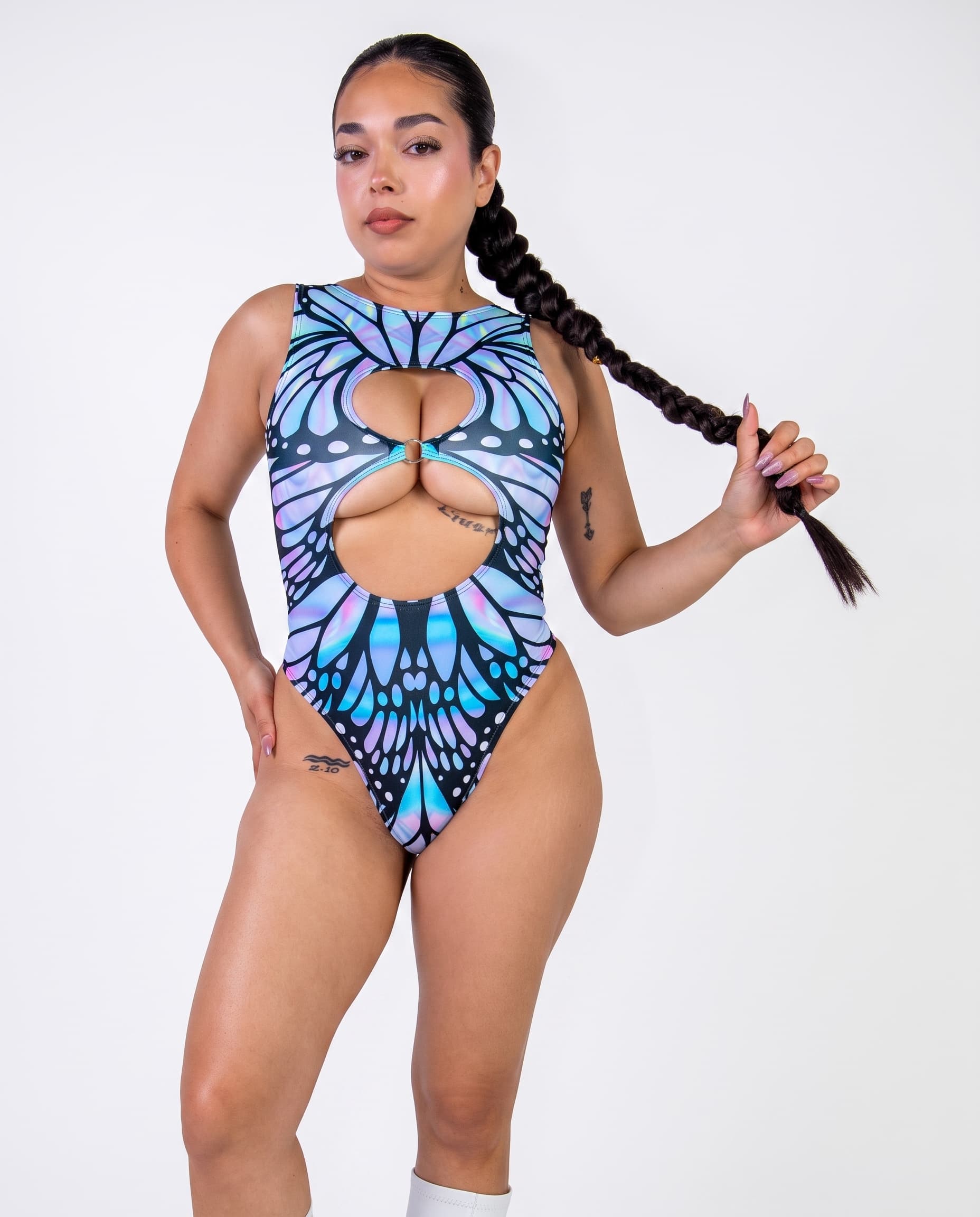
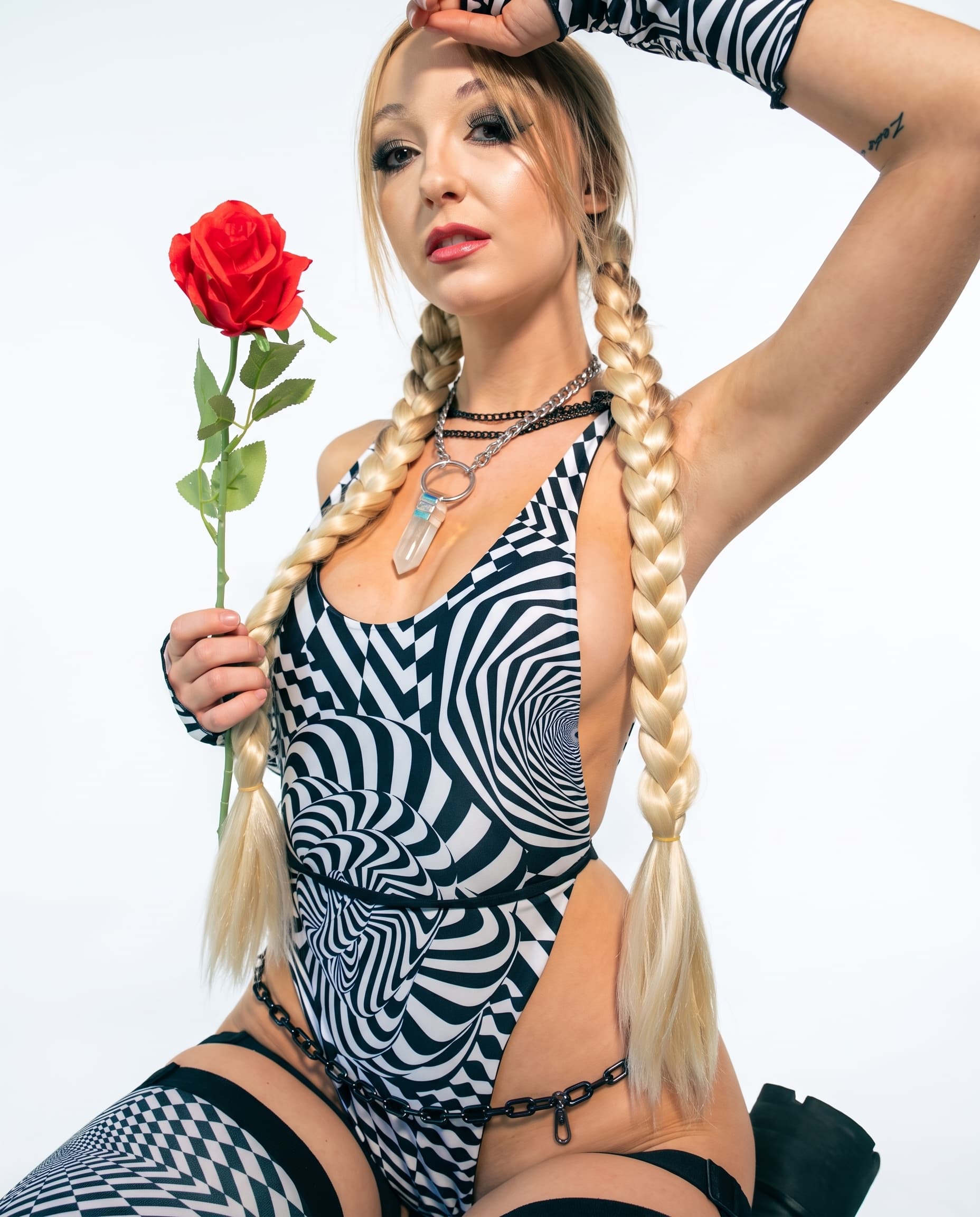
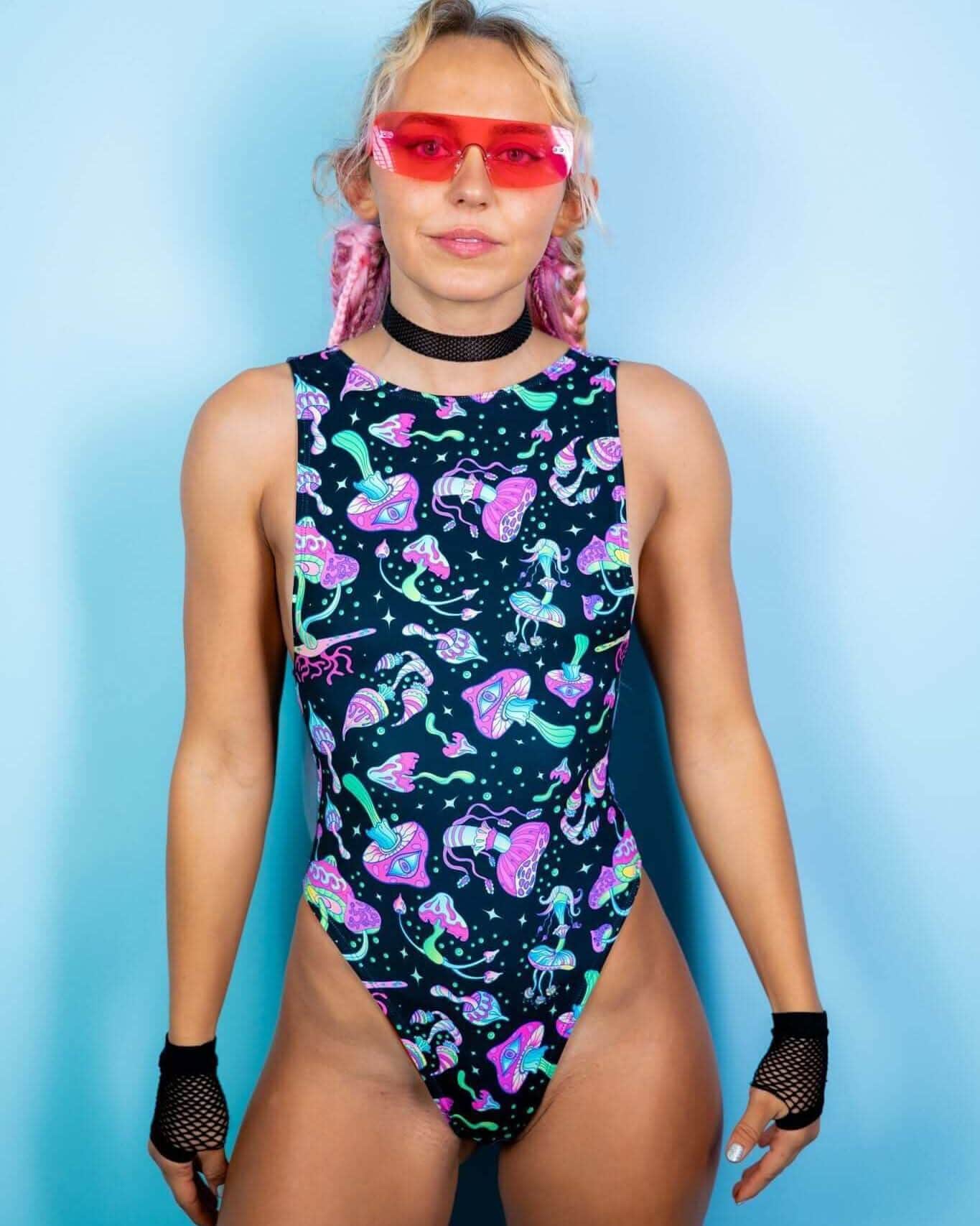
Festival fashion began to evolve in parallel. Attendees weren't passive spectators — they were part of the show. Vibrant colors, reflective materials, body paint, and statement pieces became essential tools of self-expression. If you're someone who lives for the drop, you understand that what you wear is part of how you move through that experience. The rise of dedicated rave bodysuits and festival tops gave ravers a way to match their outer look to their inner energy.
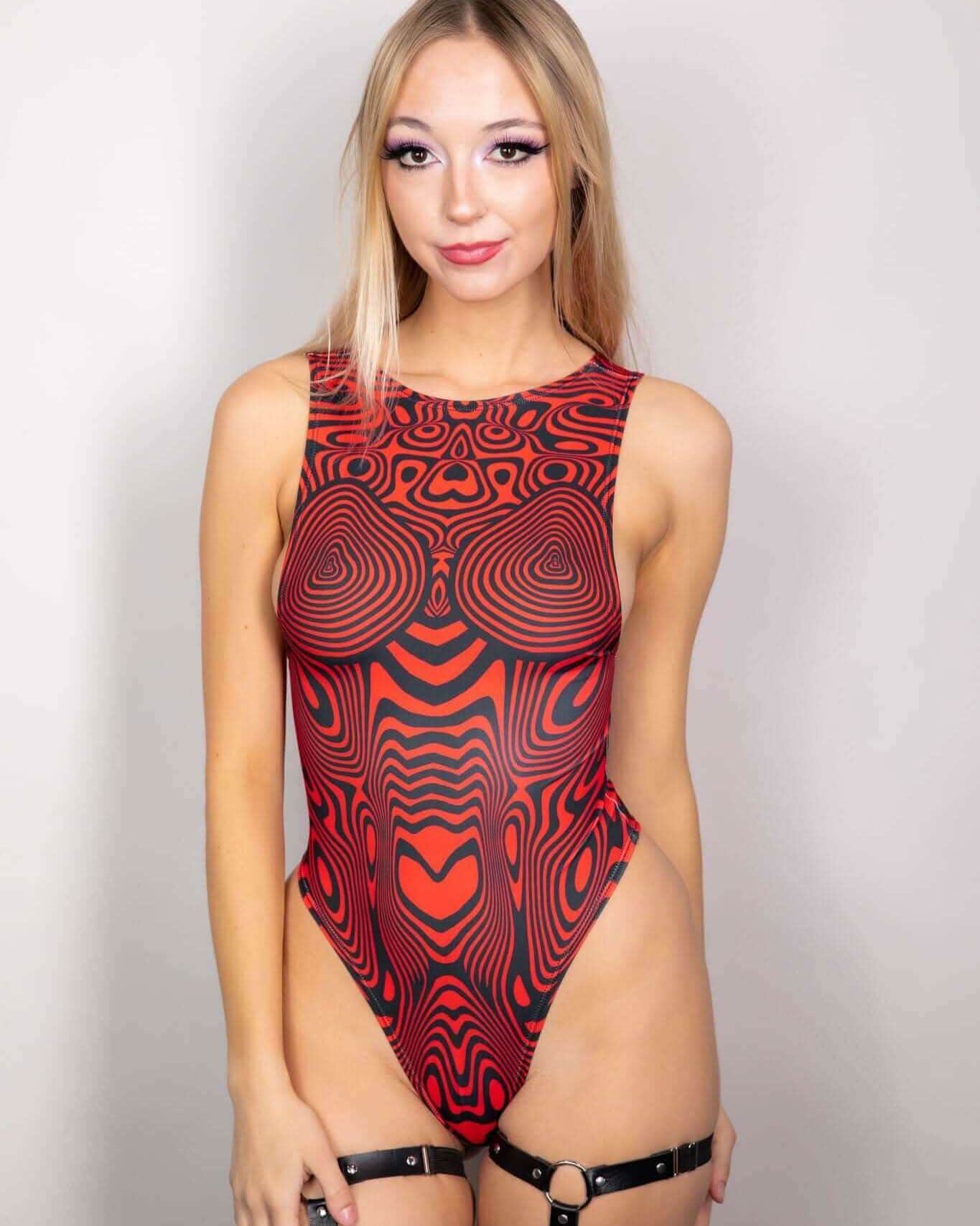
Festival fits like this are built into our complete rave outfits collection, and the festival outfits page is the dedicated home.
The Technological and Social Media Explosion
The 2010s brought a seismic shift in how EDM festivals were produced and experienced. Advances in LED technology, pyrotechnics, 3D mapping, and spatial audio transformed festival stages into jaw-dropping works of art. Think of the massive owl at EDC, the book-shaped main stage at Tomorrowland, or the towering hydraulic rigs at Ultra — these aren't just stages, they're portals into another world.
Sound design evolved just as dramatically. Modern festival sound systems deliver crystal-clear audio to crowds of 100,000 or more, with bass frequencies you feel in your bones long before they reach your ears. Imagine standing at the rail as the drop hits, every fiber of your outfit catching the light, the music moving through you like electricity. That sensory overload is exactly what keeps the rave fam coming back, year after year.
Social Media as a Cultural Accelerant
Platforms like Instagram, TikTok, and YouTube turned every attendee into a broadcaster. A single festival moment — a surprise b2b set, a stunning outfit reveal, a perfectly timed confetti cannon — could reach millions of people within hours. This visibility pulled electronic music out of its niche and planted it firmly in mainstream pop culture.
Social media also democratized festival fashion. Suddenly, the creativity of the crowd was just as viral as the headliner's set. Ravers who refused to be forgettable found their looks shared, saved, and celebrated by communities around the world. Matching couples rave outfits became their own genre of content. Bold rave shorts and statement accessories turned festival grounds into open-air runways.
The Global Expansion of EDM Festivals
Today, EDM festivals are a truly global phenomenon. Ultra Music Festival operates events across multiple continents, with editions in Miami, Tokyo, Cape Town, and beyond. Tomorrowland in Belgium consistently sells out its 400,000-person capacity within minutes, drawing attendees from more than 200 countries.
Regions that were once considered unlikely homes for electronic music — Southeast Asia, the Middle East, South America — now host world-class festivals of their own. Events like Sunburn in India, Resistance in South America, and S2O Songkran in Thailand have proven that the language of the beat is universal.
Economic and Cultural Ripple Effects
The economic impact is staggering. Major festivals generate hundreds of millions of dollars for their host cities through tourism, hospitality, and local commerce. But the cultural impact runs even deeper. These events create temporary cities built on shared values — creativity, acceptance, connection — that attendees carry back into their everyday lives.
For many ravers, the festival is where they discover who they really are. It's the place where self-expression isn't just accepted, it's celebrated. That's why the right rave clothing matters — it's not costume, it's identity.
The Cultural Impact: Fashion, Music, and Identity
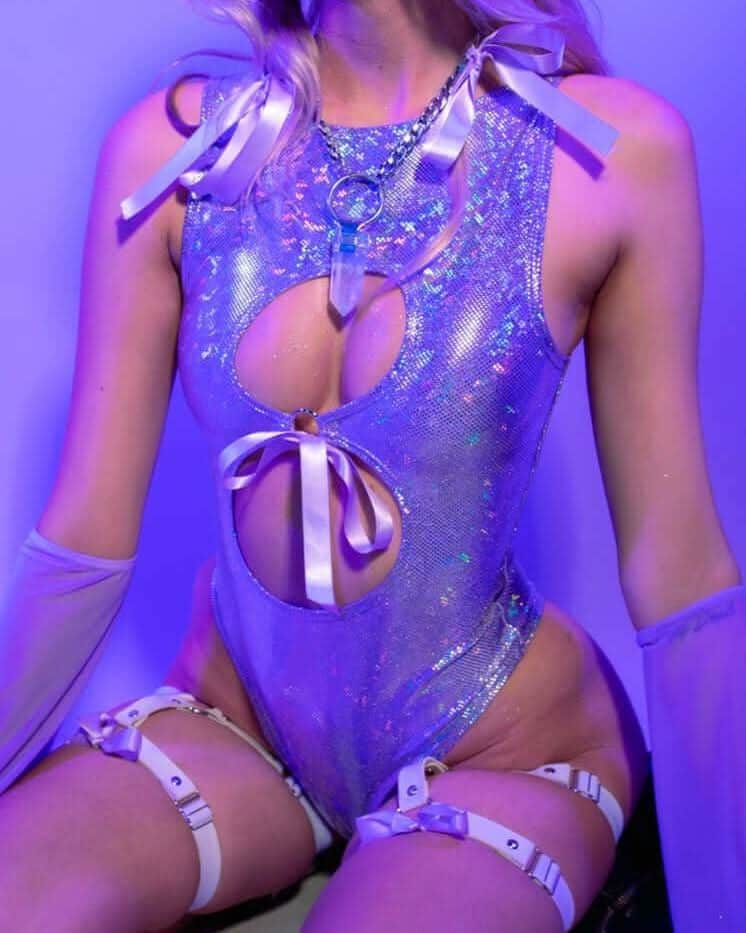
EDM festivals have reshaped mainstream fashion in ways that extend far beyond the festival gates. Neon palettes, holographic fabrics, mesh layering, and body-conscious silhouettes — all born in the rave scene — now appear on high-fashion runways and fast-fashion racks alike. The difference is in the intention. For the rave community, these choices are about transformation and authenticity, not trend-chasing.
The music itself has crossed over in unprecedented ways. EDM production techniques now dominate pop, hip-hop, and R&B. Artists like Calvin Harris, Skrillex, and Marshmello have become household names, and festival headliners regularly collaborate with the biggest acts in every genre.
Inclusivity has always been at the heart of rave culture, and that commitment continues to shape the scene. The growth of plus size rave outfits and men's rave outfits reflects a community that believes everyone deserves to feel powerful and expressive, regardless of size, gender, or background. The dance floor doesn't discriminate — and neither should the wardrobe.
Looking to the Future: Sustainability and Inclusivity in 2026 and Beyond
As the festival industry matures, its responsibilities are growing alongside its audiences. Sustainability has moved from buzzword to baseline expectation. In 2026, major festivals are investing in renewable energy, reusable cup programs, carbon offset initiatives, and waste-reduction partnerships. Tomorrowland, for example, has pioneered cashless and paperless systems, while smaller independent festivals are leading the way in regenerative event design.
At Freedom Rave Wear, this resonates deeply. Every piece we create is handcrafted in San Diego using recycled materials — because the planet that hosts our favorite festivals deserves the same care we put into our fits. Sustainability and self-expression aren't competing priorities. They're two sides of the same coin.
The Next Chapter of the Rave
Virtual and augmented reality experiences are beginning to supplement (though never replace) the physical festival. Hybrid events, AI-driven visuals, and blockchain-based ticketing are reshaping the infrastructure. But the core of what makes a festival magical — the human connection, the collective surrender to rhythm, the freedom to become your most authentic self — remains untouched by technology.
The future of EDM festivals belongs to the people who show up fully, who dress like they mean it, and who understand that the real headline act is the community itself.
The Beat Goes On
From illegal warehouse raves lit by a single strobe to multi-million-dollar productions beamed to every screen on the planet, the evolution of EDM festivals is a testament to the enduring power of music, movement, and self-expression. Every generation adds its own chapter — new sounds, new stages, new ways to show up and be seen.
Whether you're prepping for your first festival or your fiftieth, the invitation is the same: step into who you really are and let the music do the rest. Explore the full collection of handcrafted rave outfits built for the moments that matter most — backed by a lifetime warranty and made by people who live this culture every single day.