
Rave culture is one of the most resilient and transformative movements in modern music history. What started in the warehouses of 1980s Detroit and the fields of Britain has shaped how millions of people experience music, community, and self-expression. Understanding the evolution of rave culture — from illegal underground gatherings to mainstream mega-festivals — helps us appreciate not just where the scene has been, but where it's headed next.
The Roots: Detroit Techno and UK Acid House
Rave culture has two parallel origin stories that eventually merged into a single global phenomenon. In Detroit during the mid-1980s, producers Juan Atkins, Derrick May, and Kevin Saunderson were crafting something entirely new. Drawing on European synth-pop acts like Kraftwerk and the deep grooves of American funk, they created techno — a sound built for machines and made for moving bodies.

Across the Atlantic, acid house was detonating in the UK. DJs returning from Ibiza brought a new energy to London and Manchester clubs, and within months, the music outgrew any four walls that tried to contain it. Massive outdoor parties — some drawing thousands — popped up in fields, on beaches, and in empty industrial spaces.
These early raves were raw, illegal, and profoundly transformative. Locations were kept secret until the last possible moment, shared only through phone trees and word of mouth. There were no corporate sponsors, no VIP sections, no tiered ticket pricing. Just a sound system, a crowd, and the shared understanding that something important was happening. The music was repetitive, hypnotic, and designed to dissolve the boundaries between strangers. The establishment — predictably — was horrified.
The 1990s: Global Explosion and Government Crackdowns
As rave culture grew in the early 1990s, so did the backlash. The UK government responded with the Criminal Justice and Public Order Act of 1994 — a piece of legislation so targeted it literally defined and banned music "characterized by the emission of a succession of repetitive beats." For the first and perhaps only time in modern history, a government tried to outlaw a genre of music.
It didn't work. Rave culture didn't die — it adapted. The scene went deeper underground, finding new spaces, new cities, and new converts. By the late 1990s, the United States was experiencing its own rave explosion. Warehouse parties in Los Angeles, desert gatherings in the Southwest, and a growing circuit of events planted the seeds for what would eventually become the modern festival industry.
The Birth of PLUR
This era also gave the scene its ethical backbone: PLUR — Peace, Love, Unity, Respect. Unlike brand slogans or marketing campaigns, PLUR emerged organically from the community itself. Ravers needed a shared value system to protect the magic of these spaces, and PLUR became that framework.
It was a declaration that rave culture was more than just music and dancing. It was an intentional community built on radical acceptance. You could show up as whoever you were — or whoever you wanted to become — and be welcomed. That ethos still runs through the scene today, and it's one of the reasons so many people describe their first rave as a life-changing experience.
The 2000s and 2010s: The EDM Boom Goes Mainstream
Electronic dance music crossed into the mainstream consciousness in the late 2000s and early 2010s, and the growth was staggering. EDC Las Vegas relocated to the Las Vegas Motor Speedway and became a 150,000-person-per-night spectacle — a three-day city of light, sound, and radical self-expression. Tomorrowland in Belgium transformed into a global pilgrimage, with elaborate stage designs that redefined what a music event could look like. Ultra Music Festival expanded across continents, bringing electronic music to audiences who had never experienced it before.
Artists like Skrillex, Deadmau5, and Avicii became household names. Electronic music infiltrated pop radio, advertising, and film soundtracks. The once-underground movement was now a multi-billion dollar industry.
The Authenticity Tension
This mainstream explosion brought both celebration and genuine concern within the community. More people than ever were discovering the music, the community, and the freedom of the dancefloor. But some long-time ravers worried that commercialization would strip away the culture's soul — replacing PLUR with profit margins and turning sacred spaces into branded activations.
That tension between underground authenticity and mainstream accessibility became one of the defining conversations in the scene. It hasn't been resolved, and it probably shouldn't be. The push and pull between those forces is what keeps rave culture evolving rather than calcifying.
Rave Fashion Through the Decades
If the music is the heartbeat of rave culture, the fashion is its visual language. What you wear to a rave has always been more than clothing — it's communication. It tells the people around you who you are, what you value, and how you want to move through the night.
The Early Years: Function Meets Rebellion
Early 1990s rave fashion was defined by oversized pants, neon colors, pacifiers, and clothing that prioritized movement and comfort over conventional style. The aesthetic was deliberately anti-fashion — a rejection of the buttoned-up culture that ravers were escaping. Glow sticks, reflective materials, and UV-reactive fabrics turned ravers into living light shows on the dancefloor.
The 2000s: Diversification and Subcultures
As electronic music splintered into dozens of subgenres, rave fashion followed suit. Cyberpunk enthusiasts wore goggles and platform boots. Kandi kids stacked beaded bracelets from wrist to elbow. The boho festival look — flowing fabrics, festival pashminas, and earthy tones — emerged alongside the growth of destination festivals. Each style was its own dialect within the broader language of rave self-expression.
Today: Intentional, Crafted, Personal
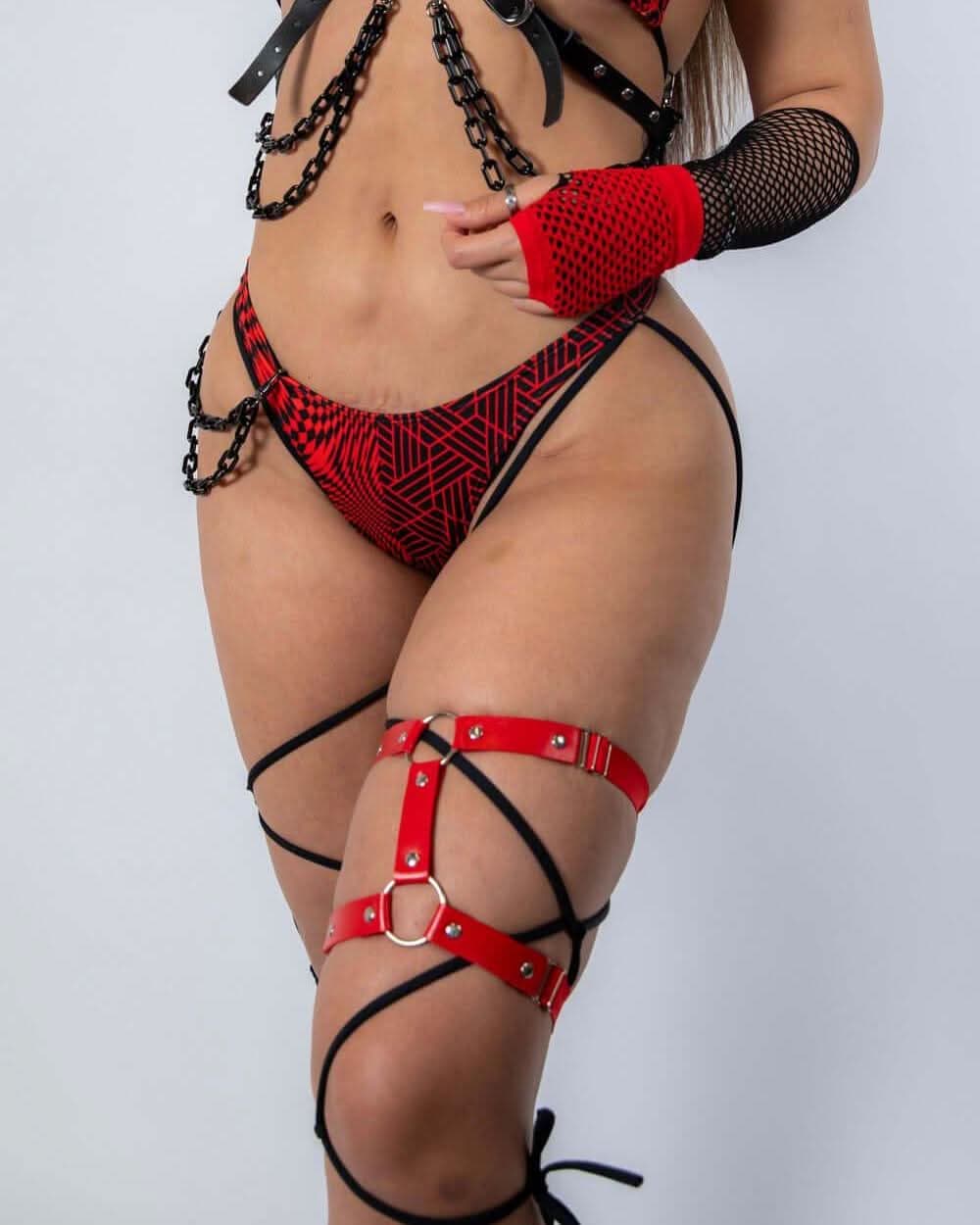
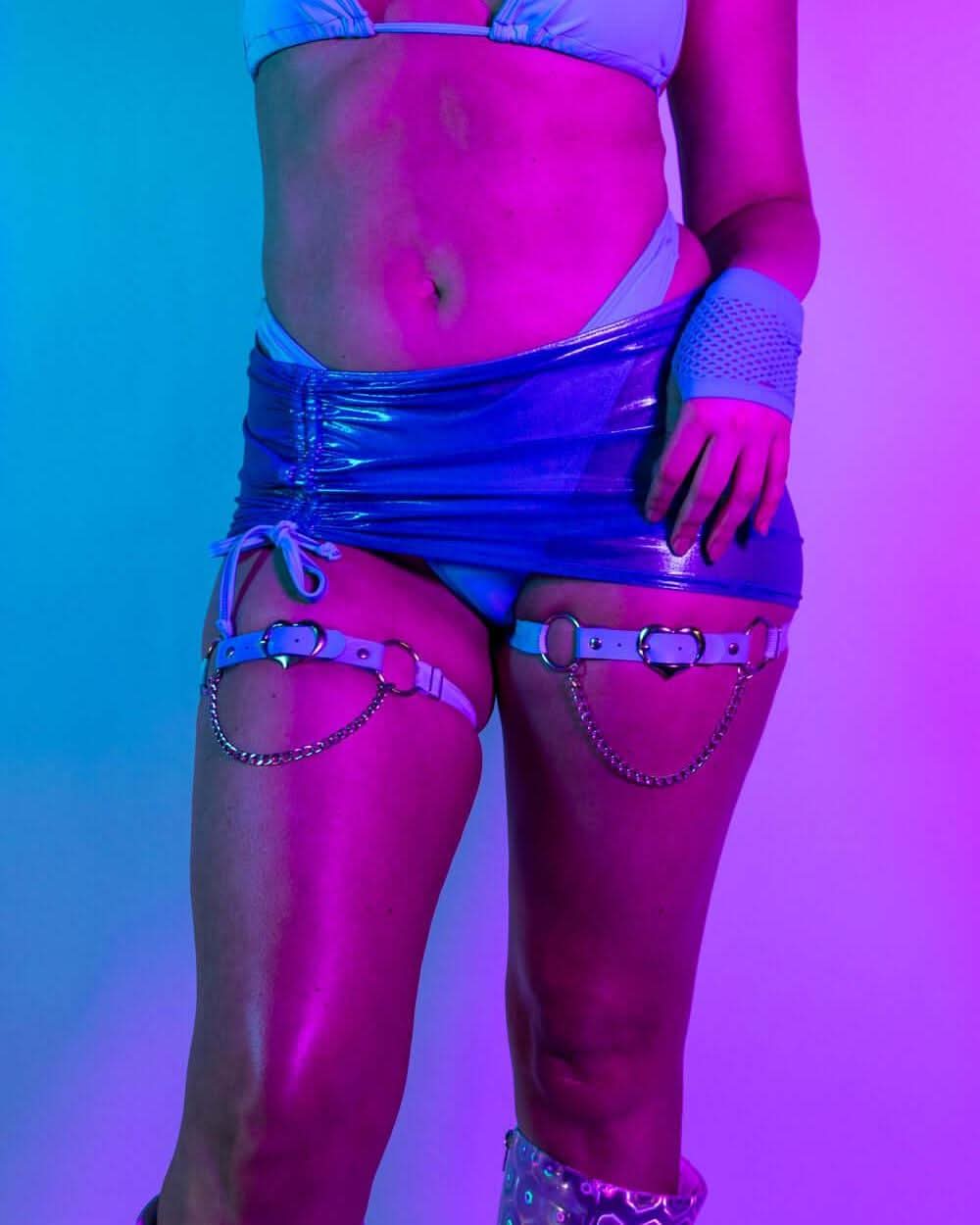
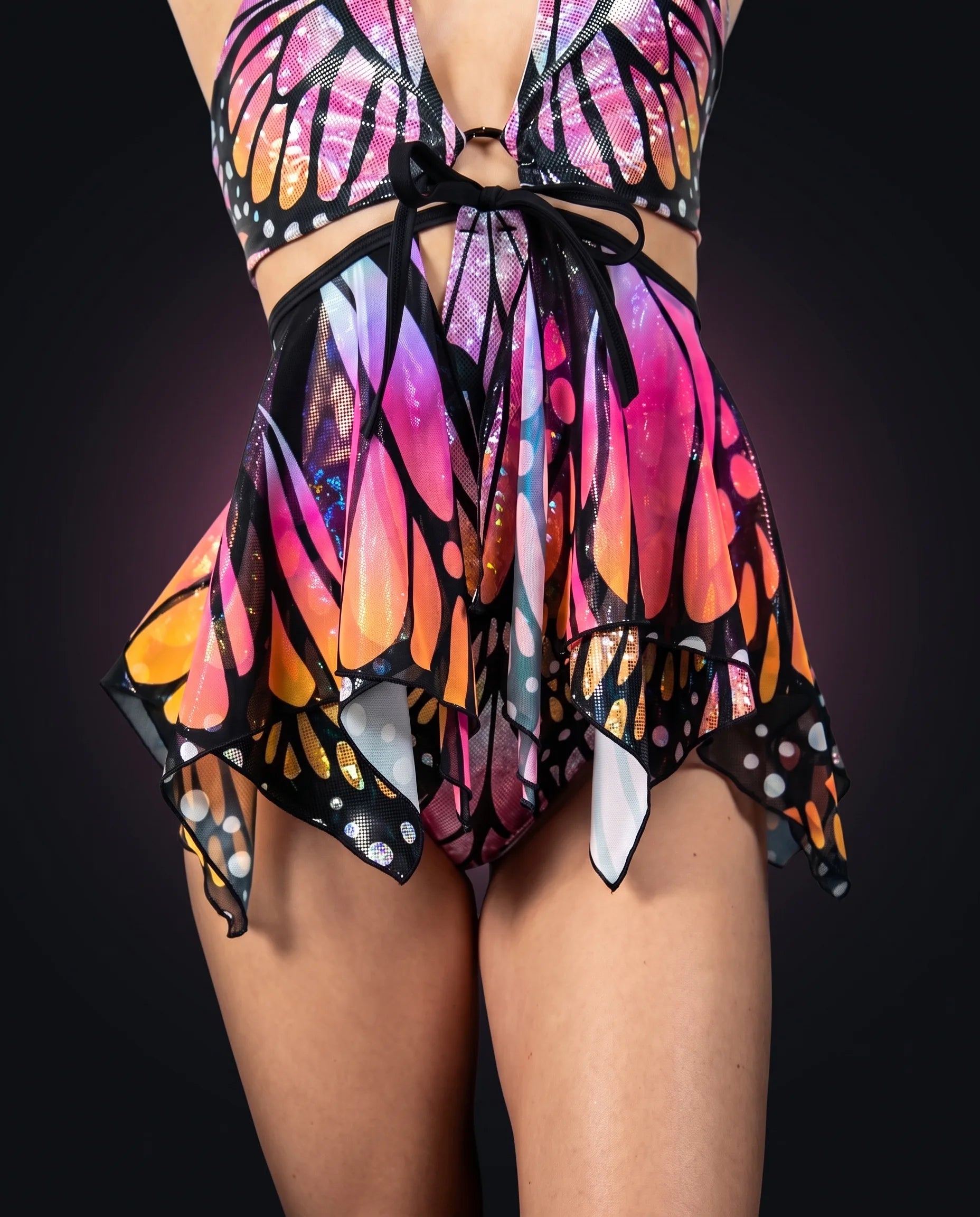
Modern rave fashion has matured into a legitimate creative field with its own designers, trends, and culture. The shift from disposable, mass-produced pieces to intentional, handcrafted rave clothing mirrors the scene's own growth. Brands like Freedom Rave Wear represent this evolution — rave bodysuits, festival tops, and rave bottoms handcrafted in San Diego by people who actually live in the culture.
If you're someone who treats your festival outfit as a form of art, you already understand this shift. The clothes you wear under those lights aren't an afterthought — they're part of the experience itself.
Where Rave Culture Is Going in 2026 and Beyond
The rave scene in 2026 is more inclusive, more intentional, and more creatively diverse than at any point in its history. Plus size rave outfits have expanded what festival style means and who gets to feel powerful on the dancefloor. Men's rave outfits have broken through the outdated idea that festival fashion is only for women. Matching rave outfits have turned couples into collaborative art projects.
Safety, Sustainability, and Community
Harm reduction organizations like DanceSafe are now embedded in major festivals, not hidden in back corners but positioned as essential infrastructure. Sustainability initiatives are reshaping how events operate — from reusable cups to carbon offset programs to brands committed to using recycled materials in their production.
The technology is evolving too. Immersive stage designs, AI-driven light shows, and spatial audio are pushing the boundaries of what a live music experience can feel like. But the most meaningful evolution isn't technological — it's cultural. The scene is actively working to become safer, more accessible, and more welcoming to people who have historically been excluded from these spaces.
The Core Hasn't Changed
Walk into any event in 2026 — from a 200-person warehouse set to a 150,000-person mega-festival — and you'll find the same elements that made those first raves in Detroit and Manchester so electric. Music that moves through your chest. Strangers who feel like family by the second drop. The freedom to show up exactly as you are, no performance required.
That's what makes rave culture different from a genre or a trend. It's a living, breathing community that keeps circling back to its core values while reaching for something new.
Carrying the Culture Forward
The evolution of rave culture isn't a straight line — it's a spiral. Each generation inherits the values of the one before it, then pushes them further. The ravers dancing in Detroit warehouses in 1988 would recognize the energy at EDC in 2026, even if the production scale would blow their minds.
If you're part of this culture, you're part of that lineage. The way you show up — how you treat the people around you, how you express yourself, what you wear and why — contributes to what rave culture becomes next. That's not a small thing.
Whether you're building your first festival look with a pair of rave shorts and a bold top, or you've been curating outfits for a decade, you're part of a movement that has outlasted every attempt to shut it down. Explore the full collection of handcrafted rave outfits and find the pieces that let you carry the culture forward — your way.