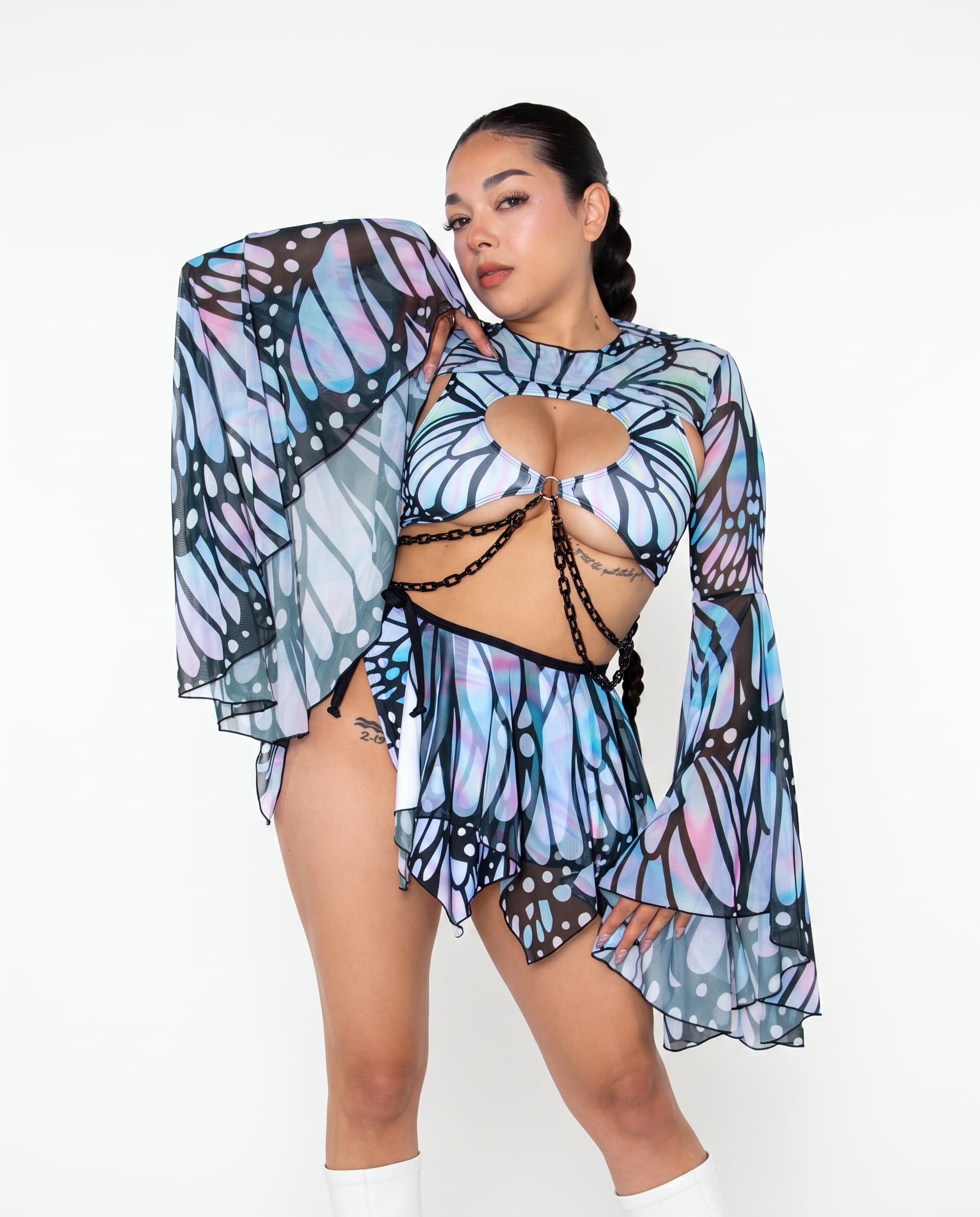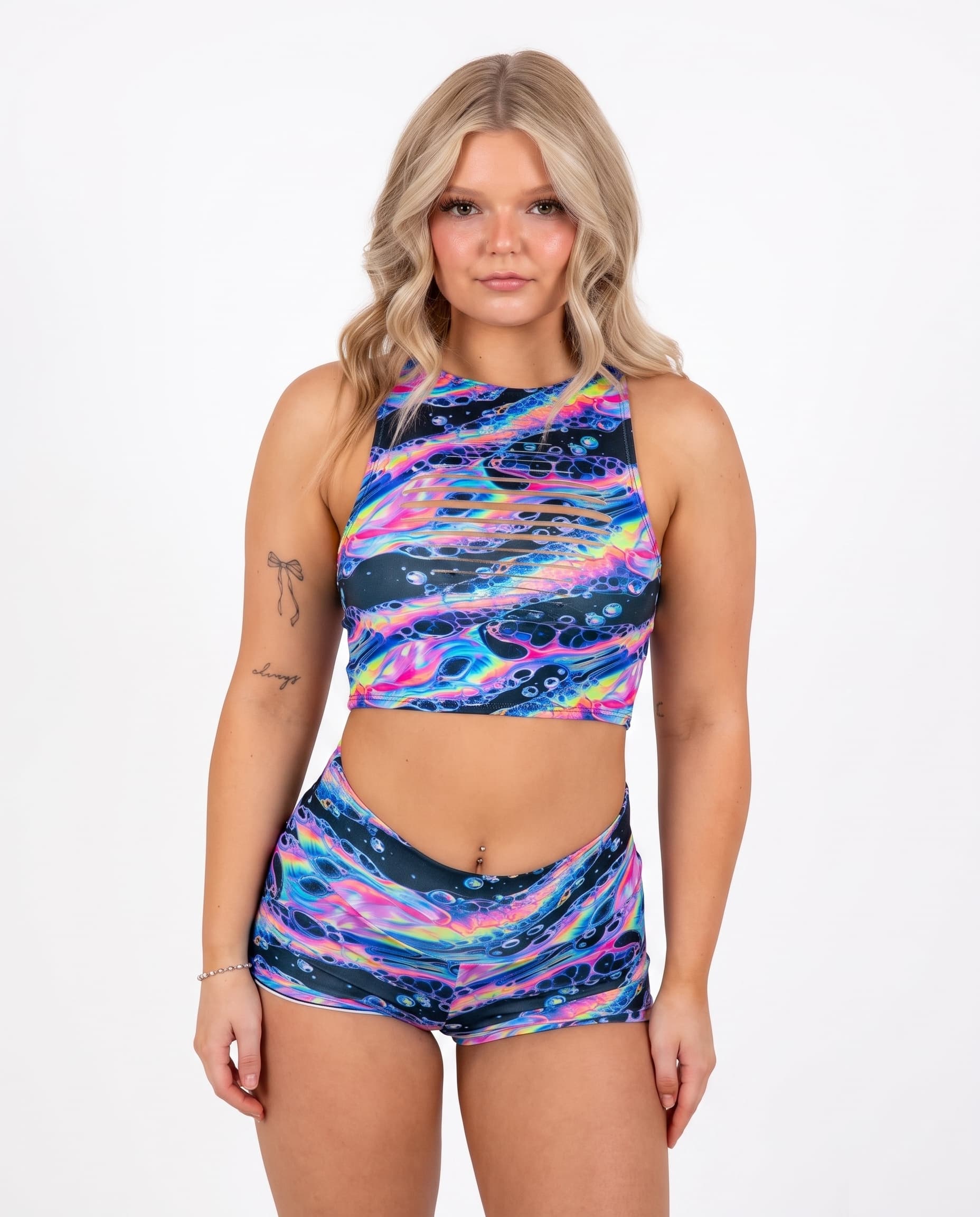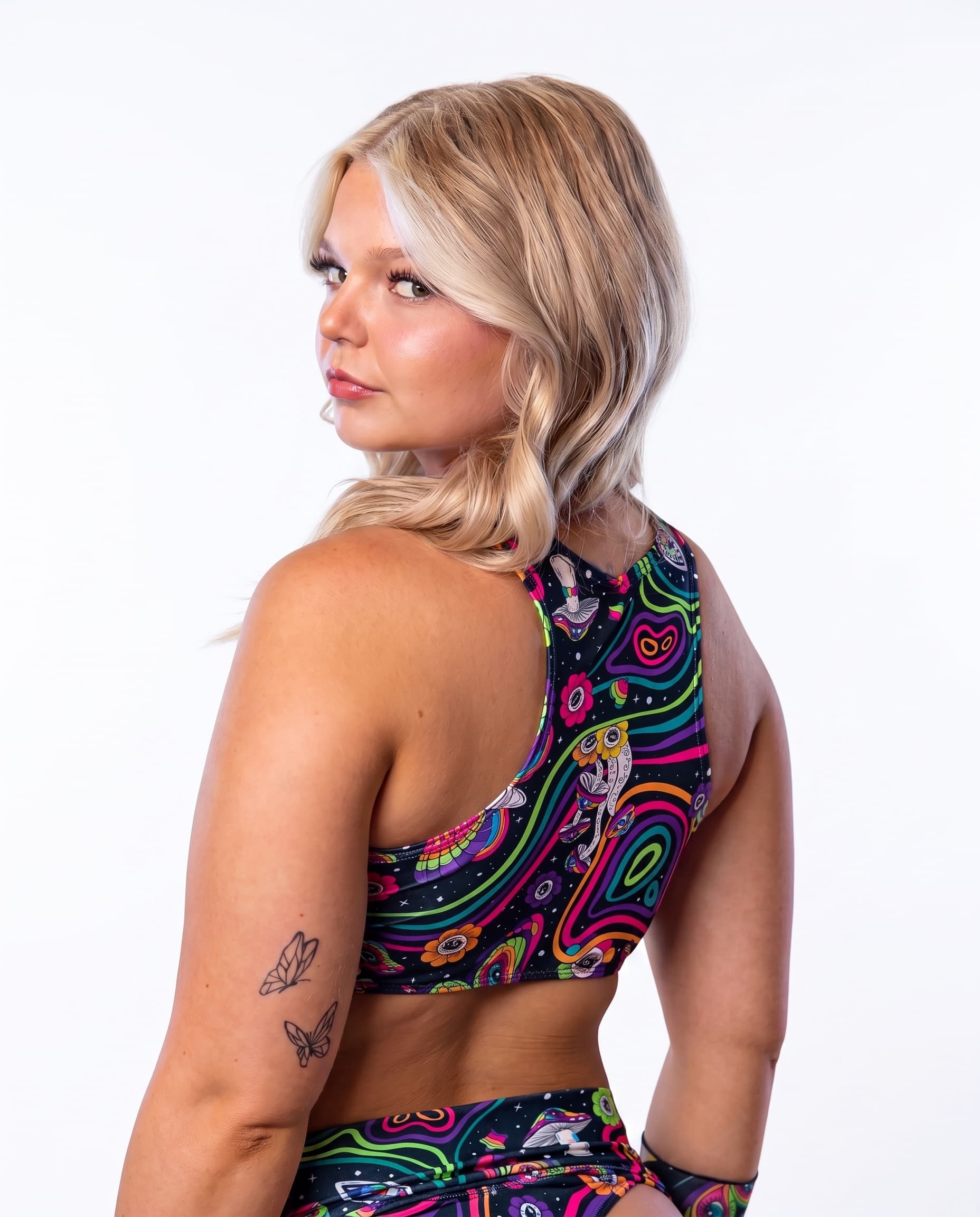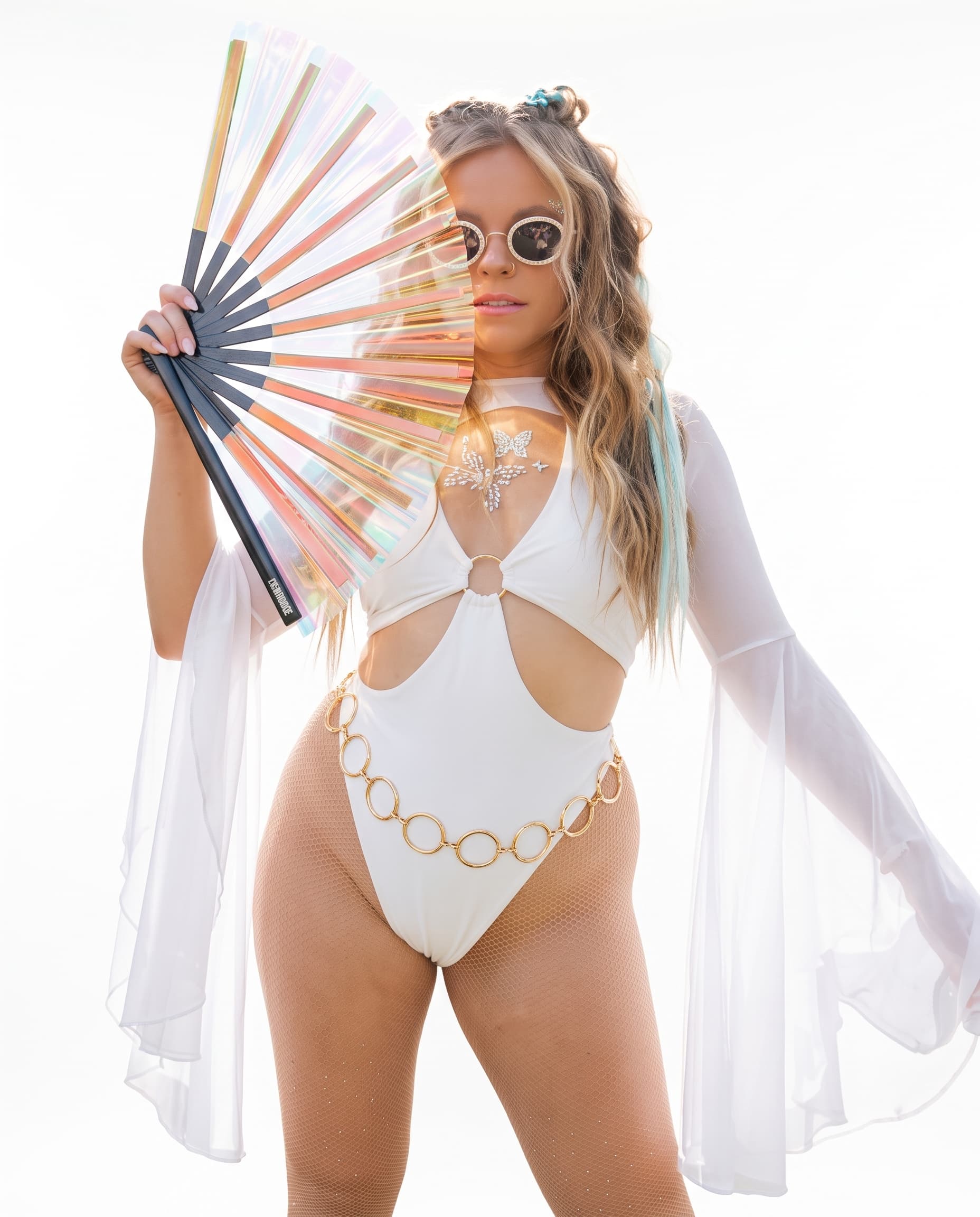
Rave fashion has never been about following rules. From the underground warehouse parties of the late 1980s to the sprawling festival grounds of today, what ravers wear has always been a declaration — of freedom, of identity, of refusing to blend in. And if you're someone who treats getting dressed as the first act of the night, you already understand: rave clothing isn't costume. It's armor. It's art. It's you, turned up to full volume.
As rave culture has grown from a niche subculture into a global movement, the fashion that defines it has undergone a radical transformation. In this deep dive, we explore how rave fashion evolved decade by decade and how Freedom Rave Wear has shaped the modern era of festival style — handcrafted, inclusive, and built for the dance floor.
The Origins of Rave Fashion: 1980s Underground
Rave culture first emerged in the mid-to-late 1980s, born out of the acid house movement in the UK and the warehouse party scene in cities like Detroit, Chicago, and Manchester. The music was raw, the venues were illegal, and the fashion reflected that anti-establishment energy. Think neon colors splashed across oversized tees, baggy cargo pants, bucket hats, and the iconic smiley face motif that became a universal symbol of euphoria.
Early rave fashion was deeply influenced by punk, new wave, and hip-hop — subcultures that had already proven clothing could be protest. Ravers borrowed the DIY ethos of punk, making their own accessories from candy beads (kandi), customizing jackets with patches and paint, and wearing clothes that were deliberately anti-fashion. The point was never to look polished. The point was to look free.
What set rave fashion apart from its influences was the deliberate embrace of joy. While punk leaned into aggression and grunge into apathy, rave fashion was unapologetically colorful, playful, and optimistic. It said: the world outside might be heavy, but in here, under these lights, we get to be whoever we want.
The 1990s: Cyberpunk Meets the Dance Floor
As rave culture exploded in the 1990s — fueled by the rise of trance, jungle, and drum and bass — the fashion evolved alongside it. The decade introduced a futuristic edge that hadn't existed before. Cyberpunk aesthetics crept in: reflective materials, platform shoes, PVC, goggles worn as headbands, and chain accessories. The rave became a portal to another dimension, and ravers dressed accordingly.
This era also saw the rise of the first rave-specific brands and the commercialization of certain elements of the culture. Wide-leg pants (often called phat pants or UFOs) became a staple, as did visors, furry leg warmers, and pacifier necklaces. Festival culture was still relatively underground compared to today's massive events, but the seeds were being planted for something much bigger.
The 90s also solidified an important truth about rave fashion: functionality matters. When you're dancing for six hours straight, you need clothes that move with you, breathe with you, and survive the sweat. Comfort and expression weren't opposites — they were inseparable. This principle would go on to define every serious rave fashion brand that followed.
The 2000s and 2010s: Festival Culture Goes Mainstream
The 2000s brought electronic music further into the mainstream, and with it, rave fashion started reaching a wider audience. Events like Electric Daisy Carnival (EDC) and Tomorrowland grew from regional gatherings into international phenomena drawing hundreds of thousands of attendees. Suddenly, the question of what to wear to a festival wasn't niche — it was everywhere.
This explosion created a gap in the market. Mainstream fashion brands didn't understand rave culture, and most "festival fashion" offerings were generic boho looks that had nothing to do with the electronic music scene. Ravers needed brands that actually came from the culture — brands that understood the difference between a music festival outfit and a rave outfit.
The 2010s answered that call. A new wave of rave-specific brands emerged, and among them, Freedom Rave Wear quickly stood out as something different entirely.
The Rise of Freedom Rave Wear
Freedom Rave Wear launched in 2014 with a clear mission: empower people to express their truest selves through fashion that's built to perform. Founded in San Diego, the brand didn't follow the overseas mass-production playbook that most competitors relied on. Instead, every piece was — and still is — handcrafted locally with meticulous attention to detail.
From day one, FRW understood something that many brands miss: rave fashion is identity. It's not about looking cute for photos (though you will). It's about stepping into a version of yourself that feels limitless. That first moment you catch your reflection under the blacklights and think, yes, this is exactly who I am — that's what FRW designs for.
The brand's commitment to inclusivity also set it apart in a meaningful way. While many rave fashion brands offered limited sizing and catered to a narrow body type, Freedom Rave Wear built its collections with the understanding that self-expression has no size requirement. Their plus size rave outfits aren't afterthoughts — they're core to the line, designed with the same creativity and craft as every other piece.
That approach resonated deeply with the rave community. FRW didn't just sell clothes. It built a rave fam.
Pushing Boundaries: Innovation in Design and Materials
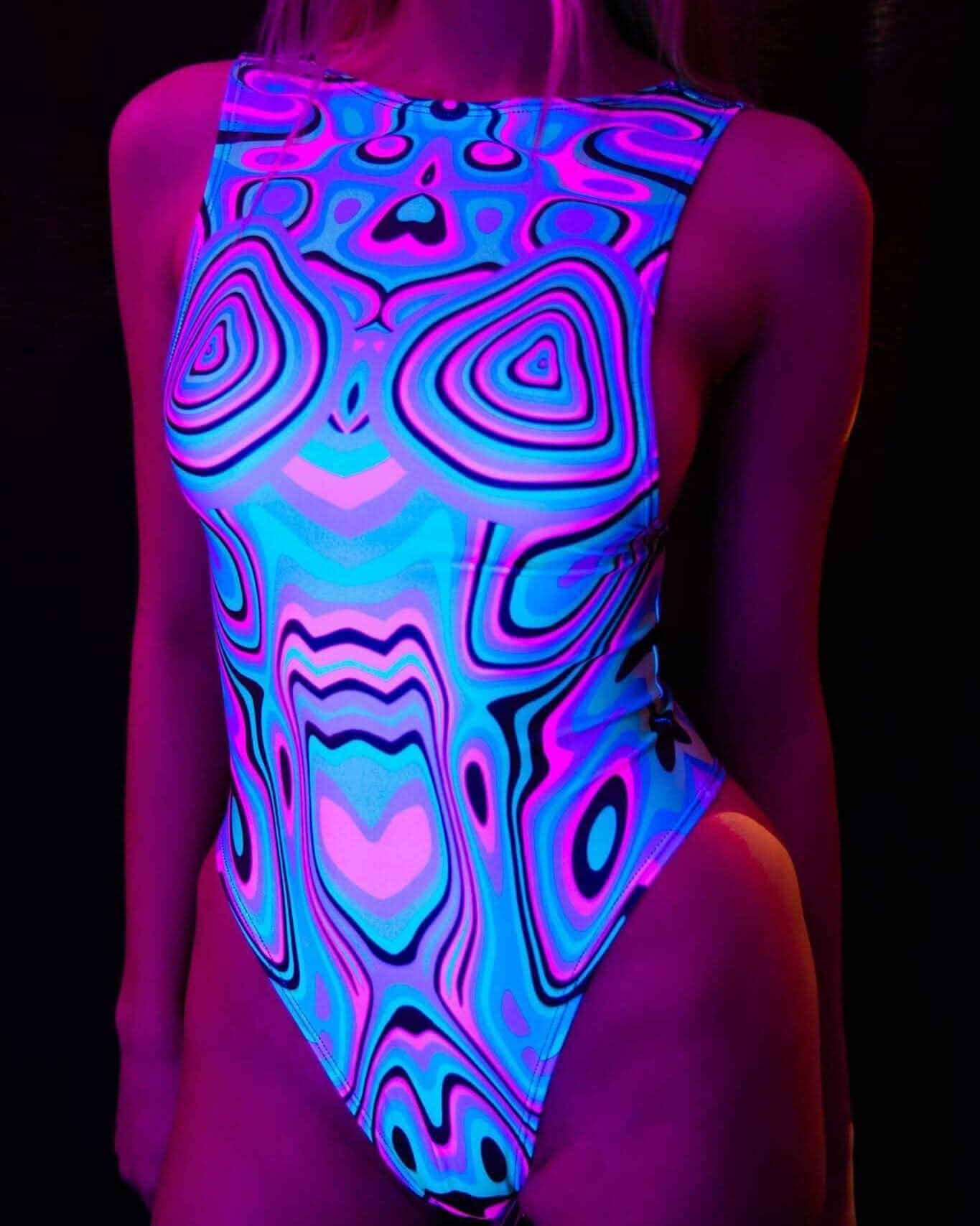
One of the defining characteristics of Freedom Rave Wear is the relentless drive to push creative boundaries. Each collection introduces fresh designs that incorporate holographic fabrics, UV-reactive prints, and one-of-a-kind patterns you genuinely won't find anywhere else. And because everything is handcrafted in San Diego — not churned out of a warehouse overseas — the quality speaks for itself.
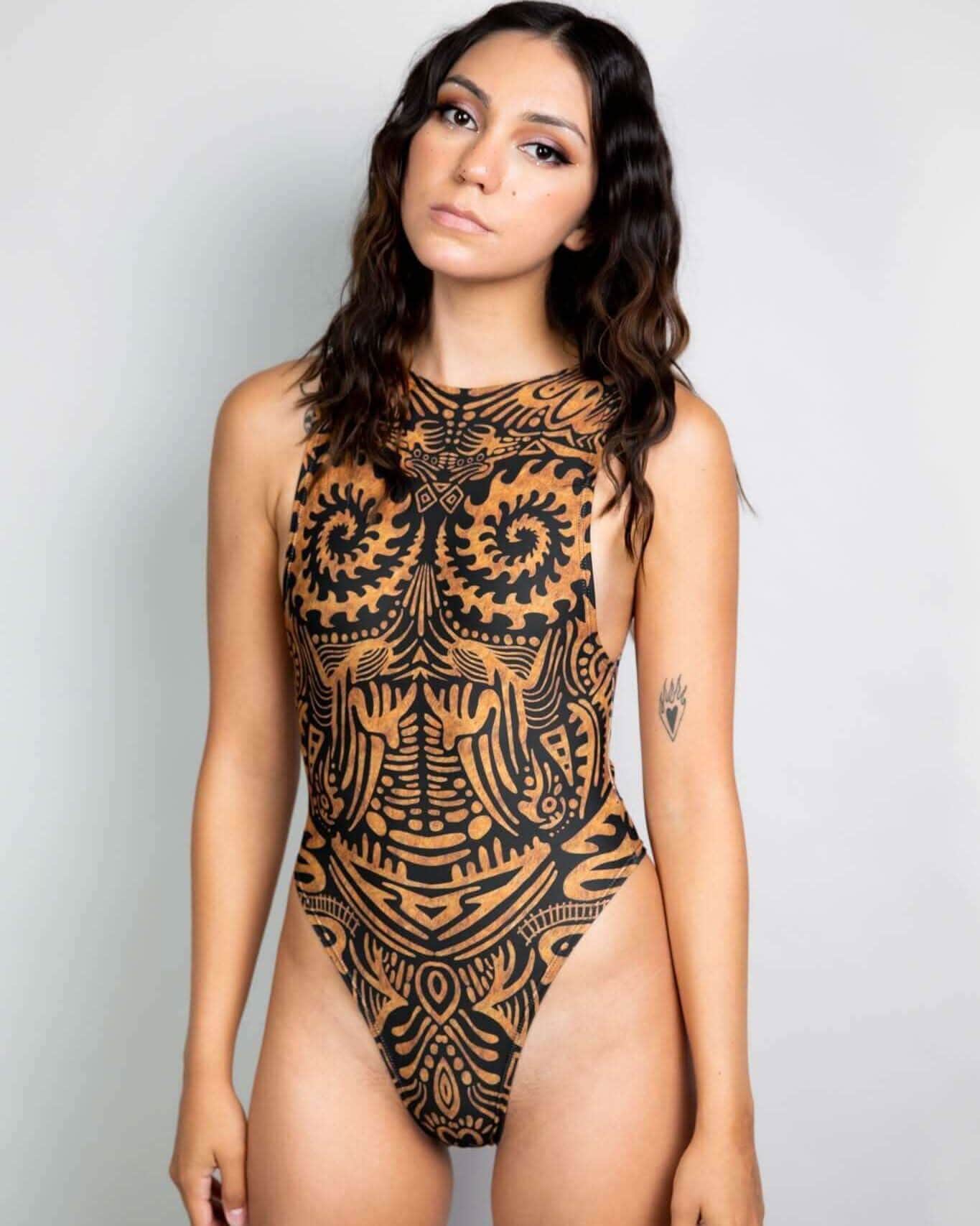
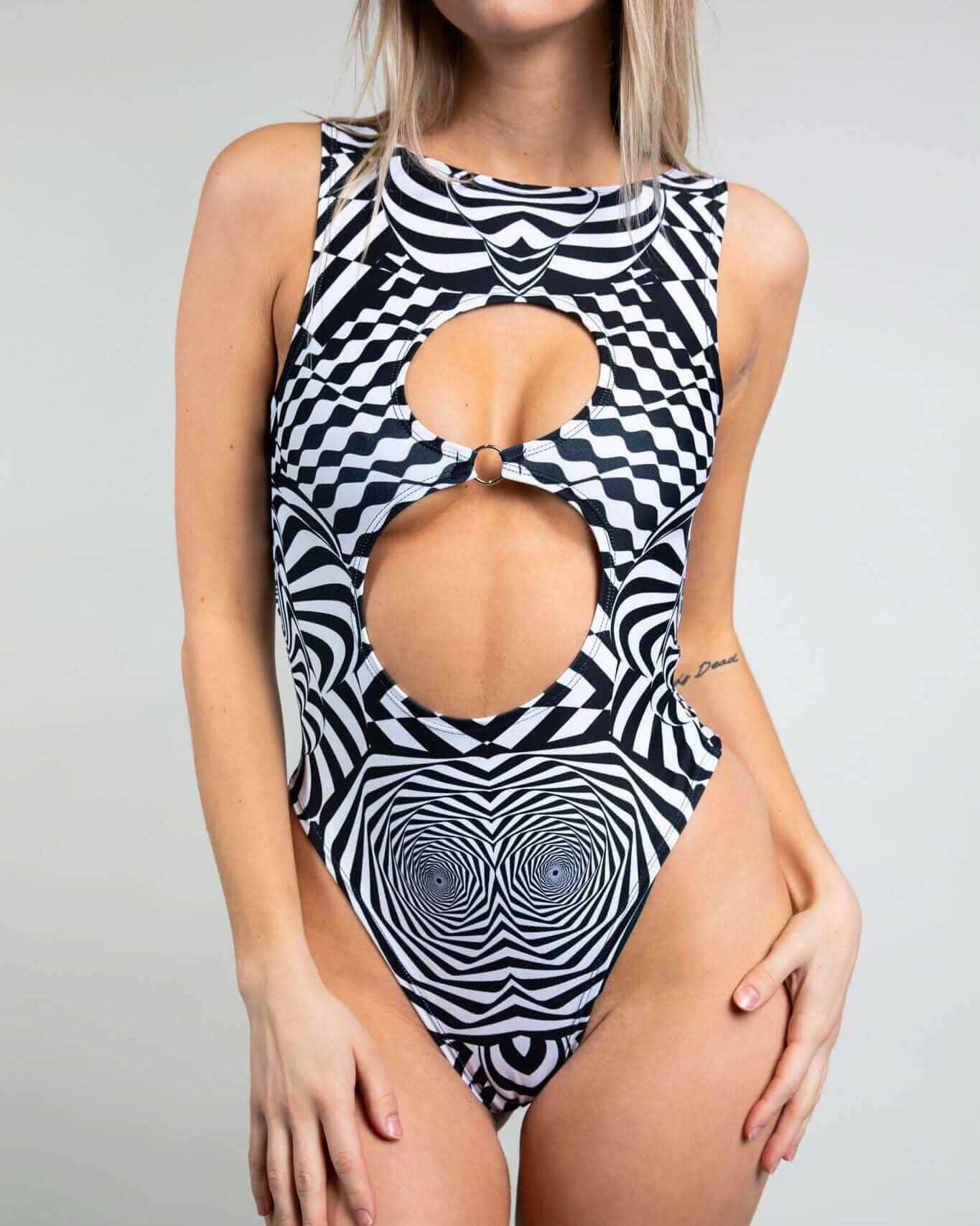
Take the brand's rave bodysuits, for example. They've become a rave fam favorite because they nail the intersection of bold design and real-world functionality. They move with you through hours of dancing, hold up through heat and sweat, and look absolutely electric under stage lighting. Pair one with rave bottoms or layer with a festival top, and you've gone from festival-ready to festival-legendary.
FRW has also been ahead of the curve on sustainability, incorporating recycled materials into their pieces — because caring about the planet and caring about your look aren't mutually exclusive. Every item is backed by their legendary lifetime warranty, which says everything about how much confidence they have in their craftsmanship.
The Modern Rave Wardrobe: More Than One Look
Today's rave fashion landscape is more diverse and expressive than ever. The days of one default "rave look" are long gone. In 2026, you'll see everything from cyberpunk-inspired armor to ethereal fairy-core, from minimal athletic fits to maximalist holographic fantasies. The common thread isn't a specific style — it's intention. Every piece is chosen to mean something.
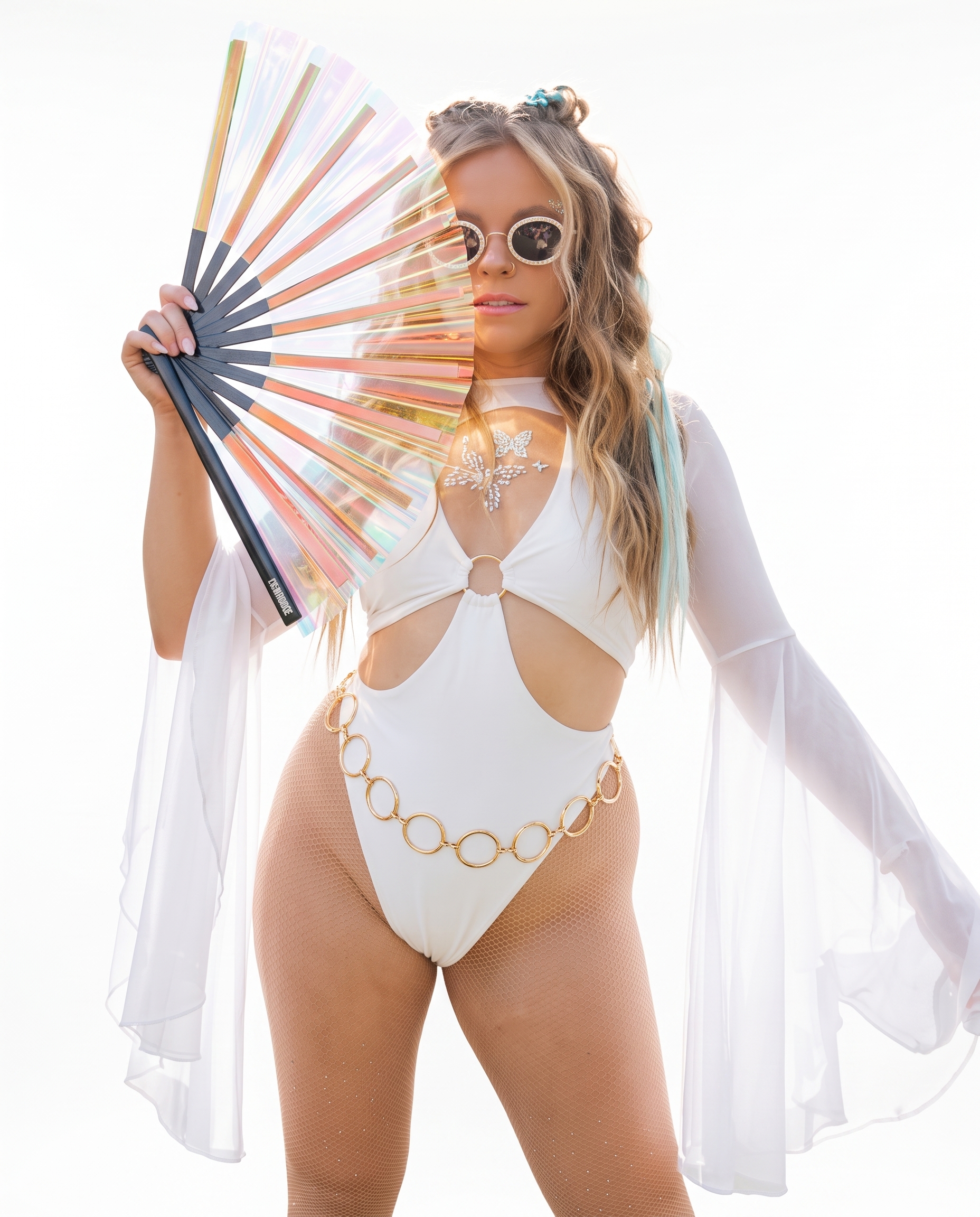
Freedom Rave Wear reflects this diversity in its catalog. Their men's rave outfits prove that self-expression through fashion isn't gendered — it's human. Their matching rave outfits for couples let you and your partner step into the crowd as a unified force. And their rave scarves and accessories add those finishing details that take a fit from solid to unforgettable.
The modern rave wardrobe is also about versatility. The best pieces transition from a daytime pool party to a midnight headliner set without missing a beat. FRW designs with this reality in mind — clothes that perform across every phase of a multi-day festival, not just the golden-hour photo op.
Community as the Core of Rave Fashion
Here's what gets lost in most conversations about rave fashion: it was never really about the clothes. It's about what the clothes enable. That moment when a stranger compliments your outfit and you end up dancing together for the next three hours. That feeling of walking through the gates and knowing you belong, that everyone around you chose to be exactly who they are tonight.
Freedom Rave Wear has always understood this. Their brand is built around community — the rave fam — not just transactions. From featuring real customers (not just models) to fostering a space where every body type, gender identity, and style is celebrated, FRW embodies the original promise of rave culture: radical acceptance, expressed through what you wear and how you move.
Festival-tested by thousands of dancers over the past decade, FRW pieces have become the ones everyone asks about in the crowd. That kind of reputation isn't manufactured through marketing. It's earned on the dance floor.
Where Rave Fashion Goes From Here
Rave culture isn't slowing down, and neither is its fashion. As technology advances — think LED-integrated fabrics, smart textiles, and even more sustainable production methods — the possibilities for self-expression through rave wear are expanding in ways the 1980s warehouse ravers could never have imagined.
Freedom Rave Wear will continue to be at the forefront of that evolution, not because they chase trends, but because they set them. Handcrafted in San Diego, designed by people who actually go to festivals, and backed by a community that treats self-expression as sacred — FRW represents everything rave fashion was meant to be.
If you're the kind of person who refuses to be forgettable, who sees getting dressed as the opening ceremony of an unforgettable night, the next step is simple. Explore the full collection of rave outfits and find the piece that feels like it was made for exactly who you're becoming.