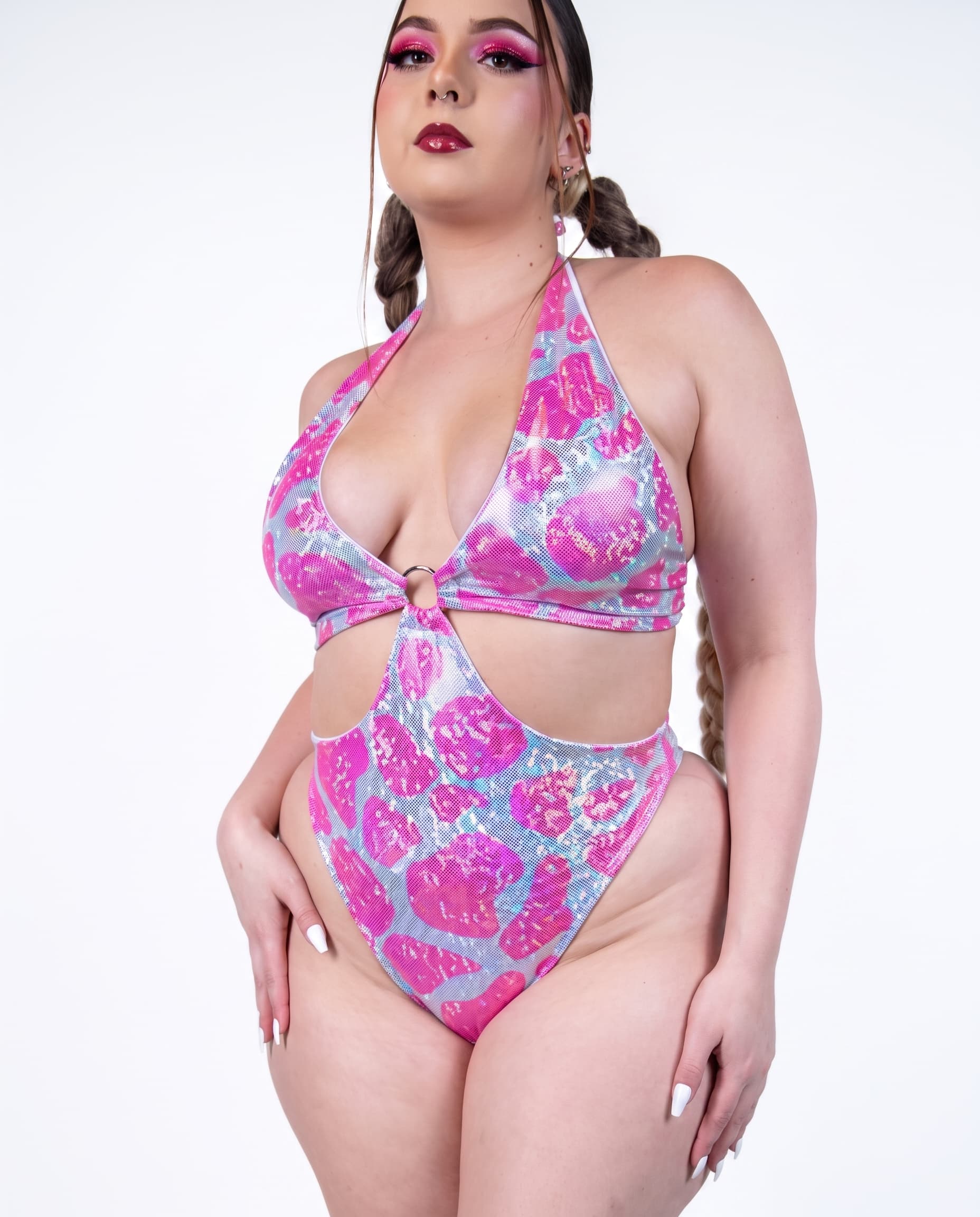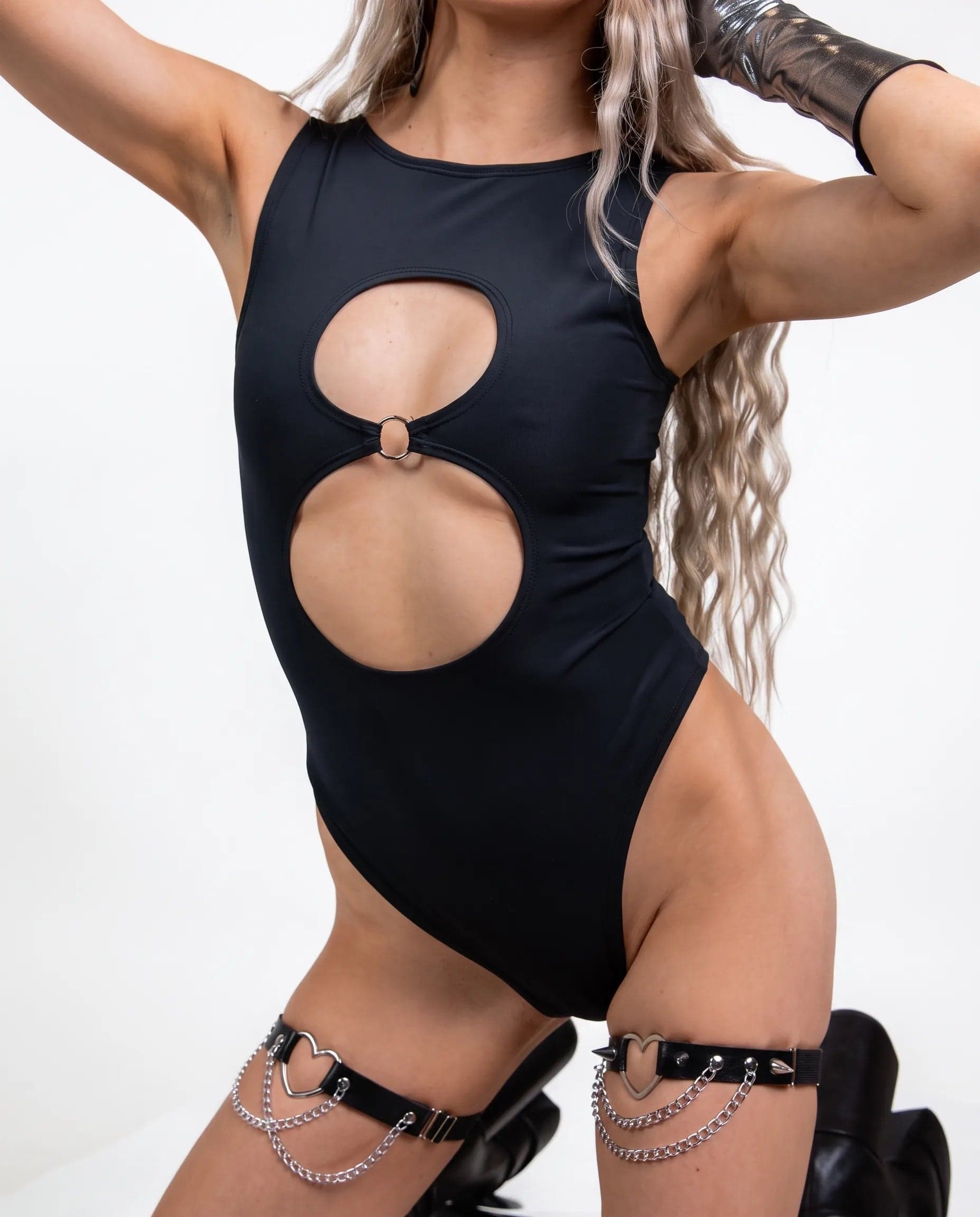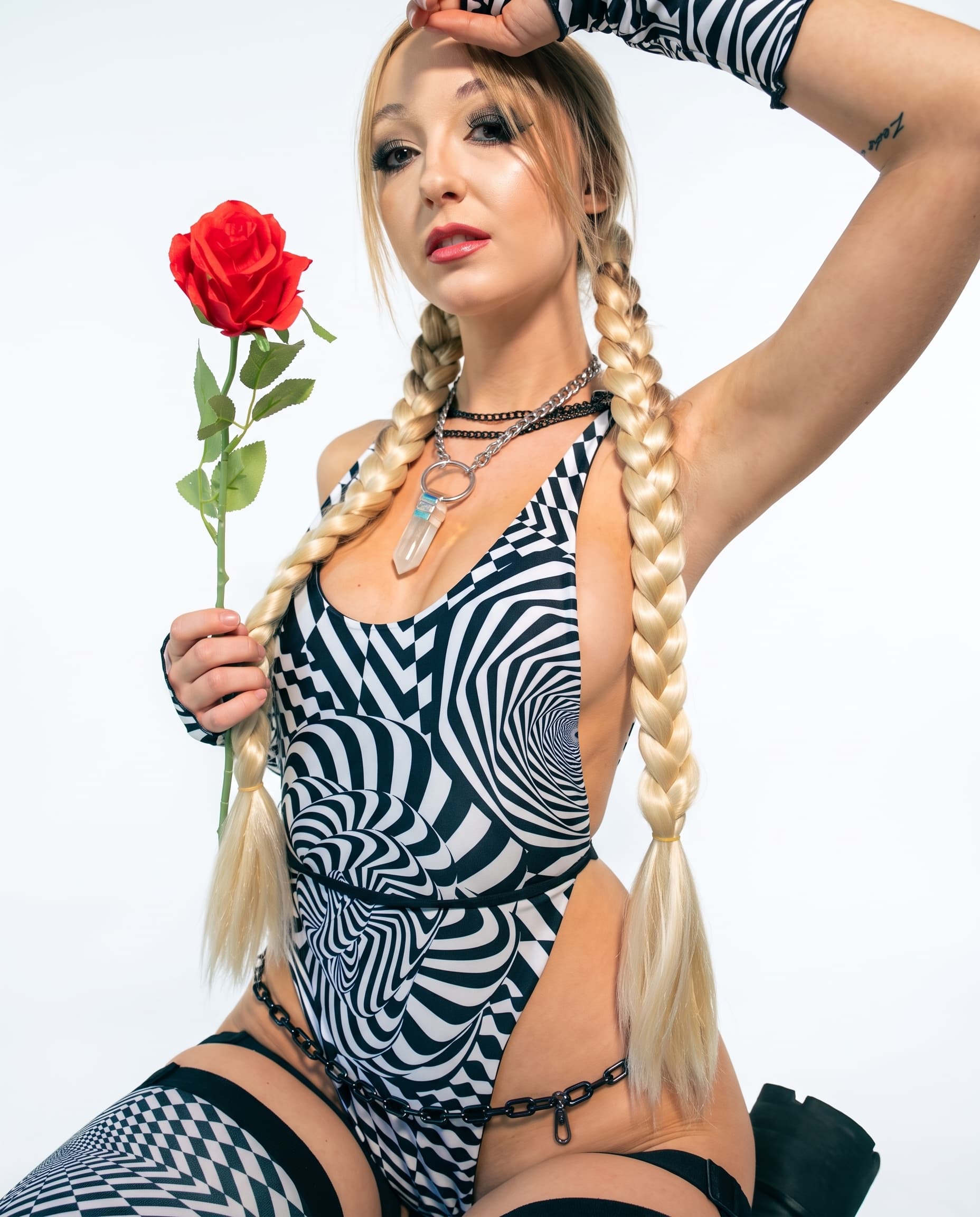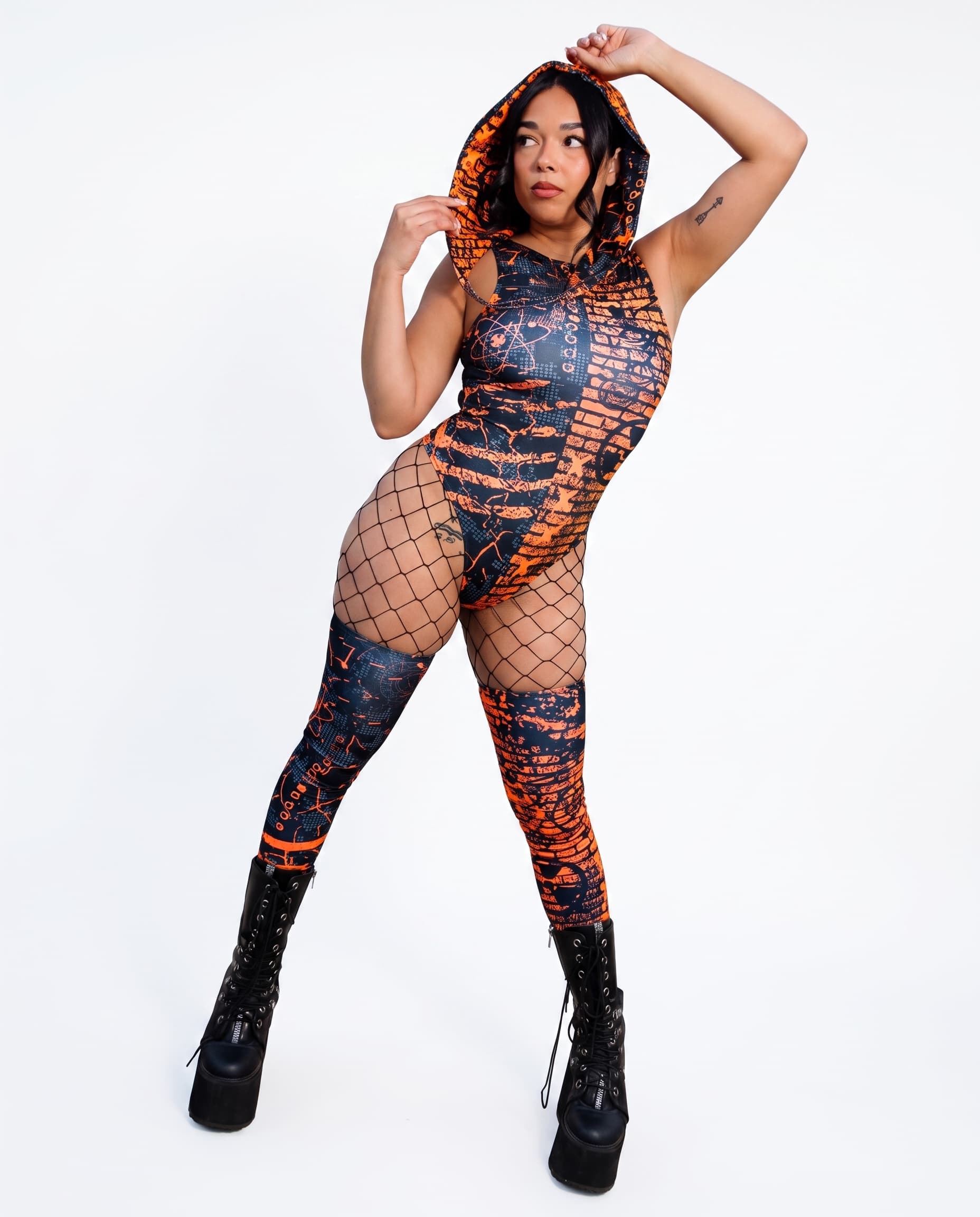
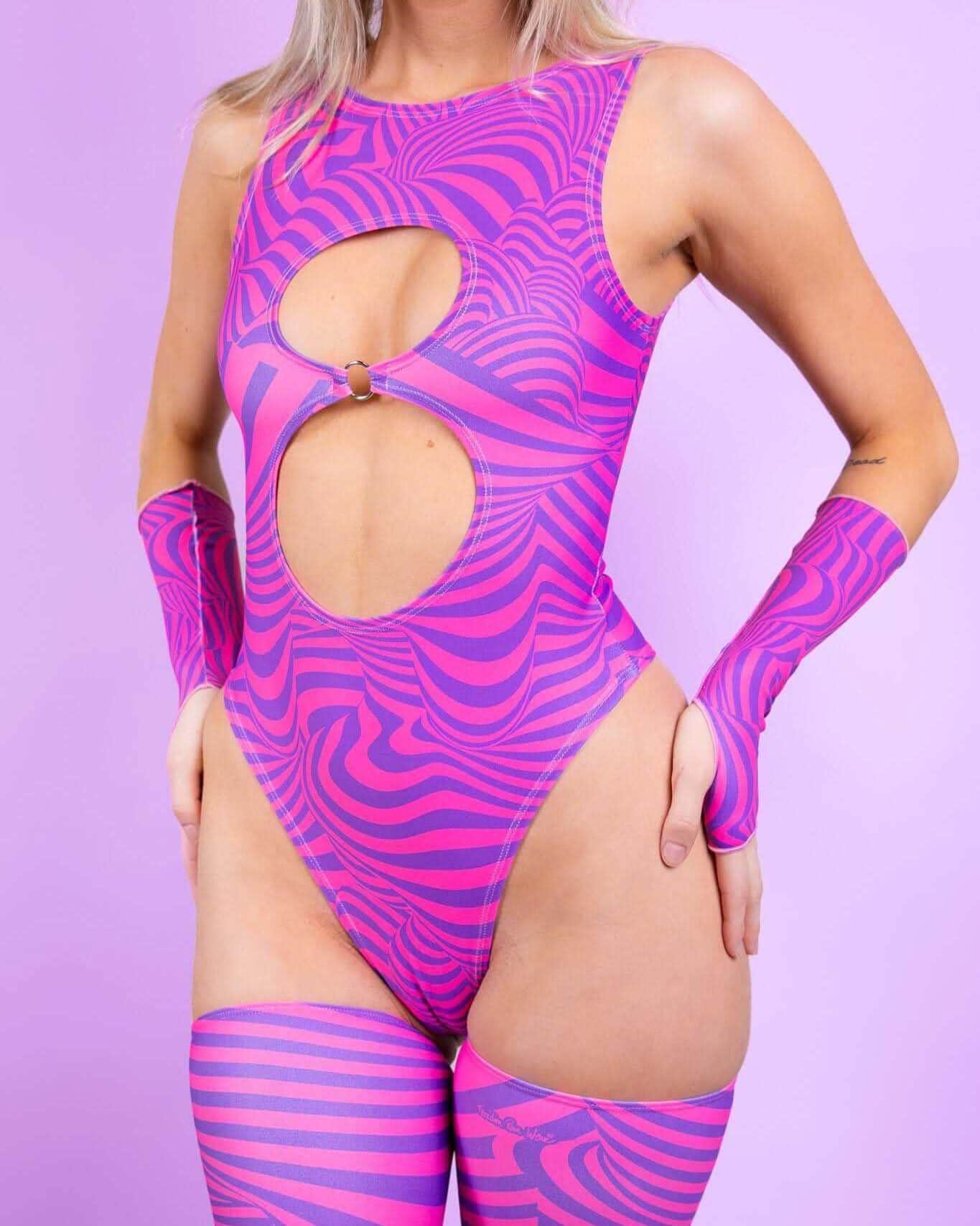
Figuring out what to wear to a rave used to be intimidating. There are no formal rules and no official dress code, which sounds freeing until you are standing in front of your closet at 9pm wondering if the thing you are holding is an outfit or a mistake. This guide exists to fix that. Whether this is your first rave or your fiftieth, this is the most comprehensive breakdown of rave fashion in 2026 — from the core principles to specific outfit ideas by genre, body type, season, and scenario.
Freedom Rave Wear has been handcrafting rave and festival clothing in San Diego since the beginning, and everything in this guide comes from real knowledge of what works on real dance floors. No trend forecasting that ignores the sweat and the bass. Just the information you actually need to show up feeling exactly like yourself — which is the entire point.
The Fundamentals: What Every Rave Outfit Needs
Before diving into aesthetics, there are practical principles that apply to every rave outfit regardless of genre, venue, or vibe. Ignore them and even the most visually stunning outfit will fail before midnight.
It Has to Move
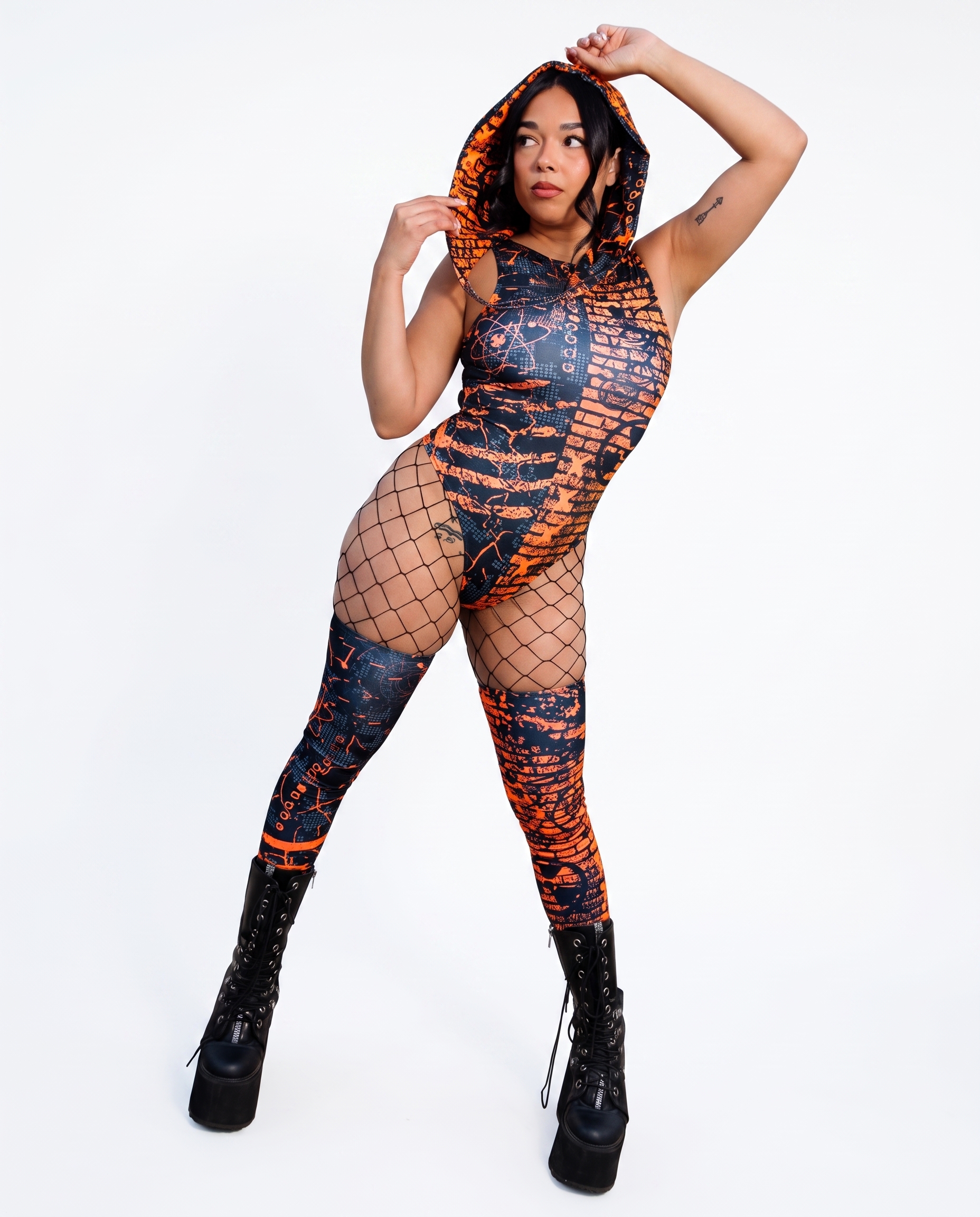
You are going to be dancing. Potentially for twelve hours. Your outfit needs to handle full range of motion without riding up, falling down, bunching, or requiring constant adjustment. Four-way stretch fabric is your best friend — it gives in every direction and returns to its original shape. Test any rave outfit at home: throw your arms up, do a deep squat, spin around. If anything shifts significantly or feels restrictive, address it before the festival.
It Has to Hold Up to Conditions
Festival conditions are extreme. Sweat, sunscreen, body glitter, crowd contact, temperature swings between scorching afternoon and frigid 3am, and the occasional spilled drink or dust storm. Your outfit needs to handle all of this. Natural fabrics like cotton and linen absorb sweat and do not dry quickly, which makes them uncomfortable for extended wear. Performance fabrics — recycled polyester, spandex blends, stretch mesh — manage moisture and maintain their appearance through whatever the festival throws at them.
Practicality is Part of the Aesthetic
Pockets exist in rave fashion but are rare. Plan for this. A crossbody bag, a festival fanny pack, or a coordinated belt bag handles your essentials — phone, ID, card, earplugs, chapstick — without sacrificing the look. The outfit should be complete with the bag in the plan, not as an afterthought. Your shoes need to survive ten-plus hours of standing and dancing. Beautiful shoes that destroy your feet by hour three make the rest of the night miserable regardless of how the outfit looks.
First Rave Outfit Guide: Where to Begin
If this is your first rave, the single most important thing to understand is that there is no wrong answer, but there are starting points that will make you feel more comfortable and confident than others.
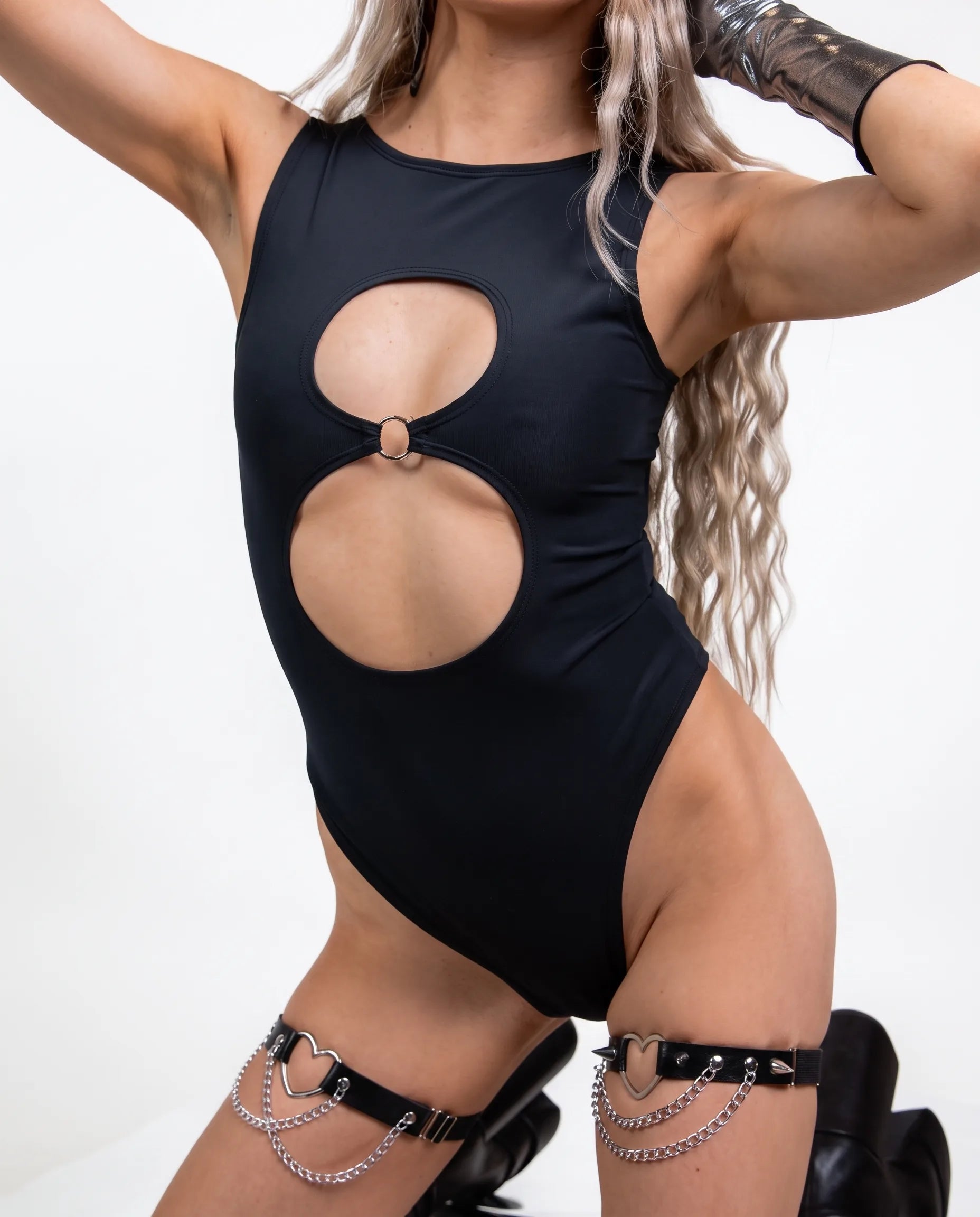
Start with a bodysuit. Rave bodysuits are the foundation of the majority of rave outfits for a practical reason: they stay in place. Unlike crop tops that ride up or tucked shirts that come untucked, a bodysuit forms a single continuous piece from shoulder to hip that does not move regardless of how hard you dance. The silhouette advantage is secondary to the functionality advantage, but it is real — a bodysuit creates a clean, intentional look that makes everything you layer on top of it read as more deliberate.
Pair the bodysuit with a high-waisted bottom of your choice — shorts for maximum mobility and heat management, pants or flares for coverage and warmth, a skirt for a more feminine silhouette. Add one layering piece: a mesh top, a sheer kimono, or a cropped jacket for when the temperature drops. You now have a complete, functional rave outfit that has worked at every festival, in every climate, for years. From here, personalize — accessories, color choices, bold prints, platform shoes — but the structure is solid.
If you want a single piece that makes the decision for you, a rave romper or one-piece jumpsuit handles both the top and bottom in a single decision. Add accessories and shoes and you are done.
Rave Outfit Ideas by Music Genre
The music at a rave shapes everything about the event — the energy level, the visual production, the lighting, the crowd aesthetic. Matching your outfit to the genre is not mandatory, but understanding the aesthetic language of each scene helps you dress with more intention and connect more quickly with the crowd you will be dancing with.
Techno and Dark Electronic
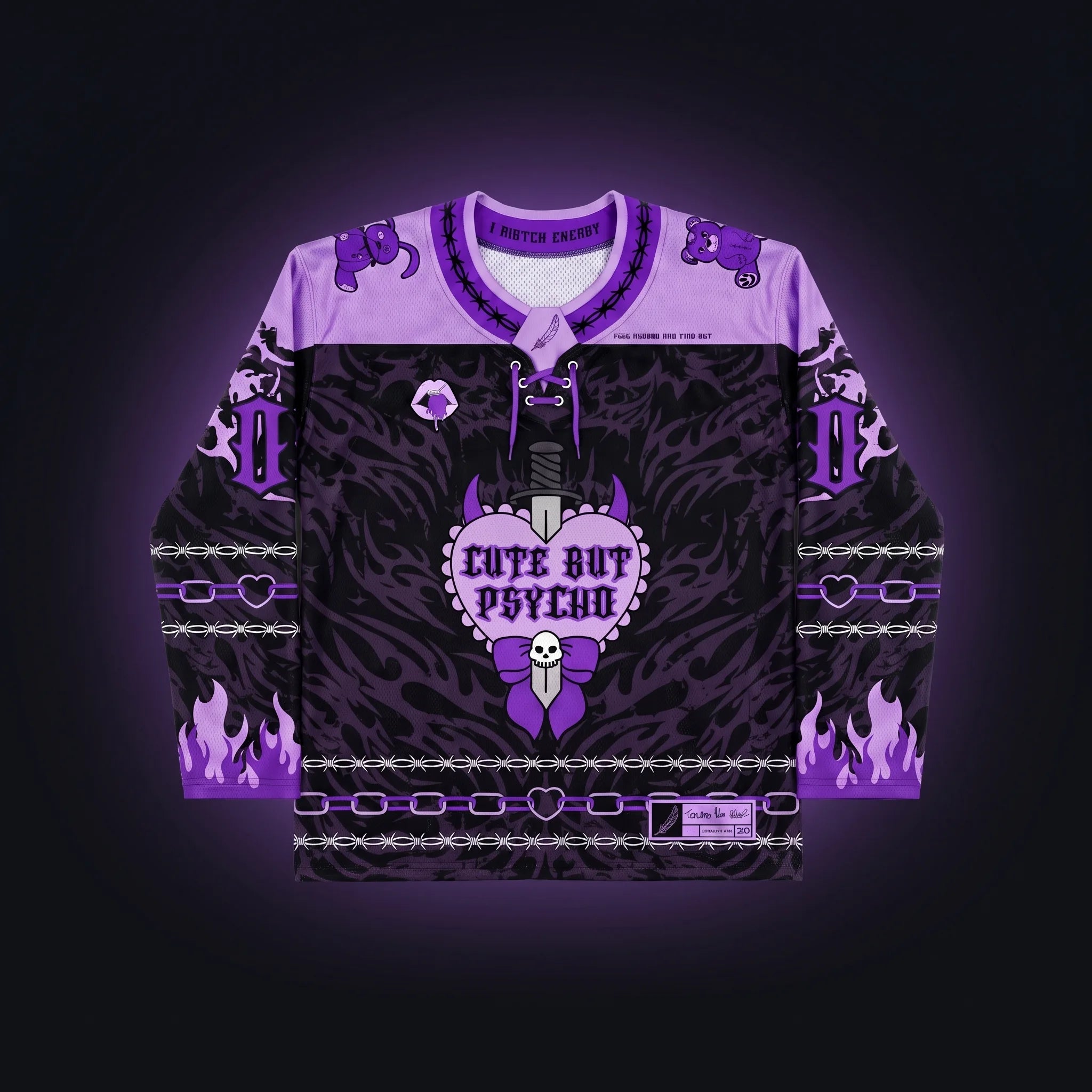
Techno is the genre of the warehouse, the underground, the stripped-down dark room. The aesthetic follows the music: minimal, powerful, intentional. Black is the dominant color — matte black bodysuits, dark mesh tops, structured black bottoms. Cutout details, asymmetric silhouettes, and industrial hardware add visual complexity without breaking the dark palette. Dark rave outfits are the natural home of this aesthetic.
Accessories lean toward metal — chain harnesses, industrial jewelry, studded belts. Platform boots or chunky combat-adjacent footwear complete the picture. The goal is to look like someone who knows exactly why they are there and does not need anyone to notice them to feel it. Confidence without performance. The irony is that this aesthetic is the most noticed precisely because it does not seek attention.
House Music and Melodic Electronic
House music ranges from deep underground to euphoric main stage, and the aesthetics span accordingly. Deep house leans toward the techno side — slightly darker, slightly more minimal. Tech house and melodic house open up the palette: warm earth tones, terracotta, deep greens alongside classic black. Melodic main stage house welcomes more color, more shimmer, more expressive silhouettes.
For house events, the sweet spot is deliberate and slightly understated — you want to look like someone with taste, not someone who is trying. A matte bodysuit in a rich color (deep burgundy, forest green, warm camel) with minimal accessories reads perfectly in house contexts. Holographic accents work for more production-forward house events without veering into EDC maximalism.
Bass Music: Dubstep, Riddim, Heavy Bass
Bass music festivals and events — Lost Lands, Forbidden Kingdom, dedicated dubstep and riddim nights — have one of the most distinct visual cultures in rave fashion. The bass scene embraces both dark aggressive aesthetics and maximalist fantasy themes simultaneously, which creates more outfit freedom than almost any other genre.
Dark side: black or dark-colored bodysuits with dragon-scale textures, cyberpunk details, industrial hardware. Fantasy side: elaborate costume pieces, fantasy armor, elaborate prints, and thematic dressing that treats the festival as a creative universe. Both work. Choose the direction that matches your energy for the event. For your first bass event, a UV-reactive bodysuit with bold print is an excellent middle ground — it hits the visual intensity the scene requires without committing to full costume territory.
Trance and Progressive
Trance events occupy the most euphoric end of the electronic music spectrum, and the fashion reflects this. Holographic fabrics, iridescent materials, flowing silhouettes, and a willingness to lean into maximalist expression. Holographic rave outfits were practically invented for trance events — the way iridescent fabric shifts color with light and movement mirrors the musical journey of a trance set.
Festival-length trance events like Dreamstate or big trance stages at Insomniac events are where you see the most elaborate festival fashion because the music gives you the emotional context to fully inhabit a maximalist look. Flowing mesh overlays, holographic bodysuits, long sleeves, and detailed accessories all read at home in this context.
EDM and Festival Main Stage
Main stage EDM is the broadest category and the most permissive aesthetically. Anything goes, which means bold choices are rewarded and visually timid outfits can feel invisible. EDC outfits represent the apex of main stage festival fashion — UV-reactive clothing, holographic fabrics, elaborate accessories, and fully committed bold looks are the standard rather than the exception.
For main stage events, maximize visual impact. Choose your most eye-catching piece and build around it. If you have a holographic bodysuit, wear it. If you have UV-reactive mesh sleeves, use them. The production lighting at these events is designed to interact with your clothing — reflective and UV-reactive fabrics participate in the light show. Clothes that absorb all available light without reflecting any of it can feel invisible on a main stage lit for spectacle.
Rave Outfit Ideas by Body Type
The best rave outfit is the one that makes you feel like the most amplified version of yourself. These suggestions are starting points, not rules — rave culture actively rejects the idea that any body type is restricted from any style.
If You Want to Emphasize Your Waist
High-waisted bottoms paired with a bodysuit or crop top create the most defined waist silhouette. A high-waisted skirt with a long-line bodysuit creates a smooth line that defines the waist clearly. A belt or chain accessory added at the waist of a flowing piece adds definition without structural garments. Rave bottoms with high-rise construction naturally cinch the waist relative to the hip.
If You Want More Volume
Layering is the path to volume in rave fashion. A fitted bodysuit as the base, then a flowing mesh overlay or sheer kimono over it adds visual volume without structured construction. Bell sleeves at the arms add dramatic scale. A full-length fishnet overlay over shorts and a bodysuit creates a maximalist volume effect across the full silhouette.
If You Want to Elongate Your Silhouette
Monochromatic dressing — a single color or tonal range from top to bottom — creates the strongest elongating effect in any outfit. A deep blue bodysuit with deep blue or black shorts creates an unbroken vertical line. High-heeled or platform shoes add literal height while also drawing the eye upward. Vertical design elements — stripes, seams, elongated cutouts — move the eye along the vertical axis of the body.
Plus Size Rave Outfits
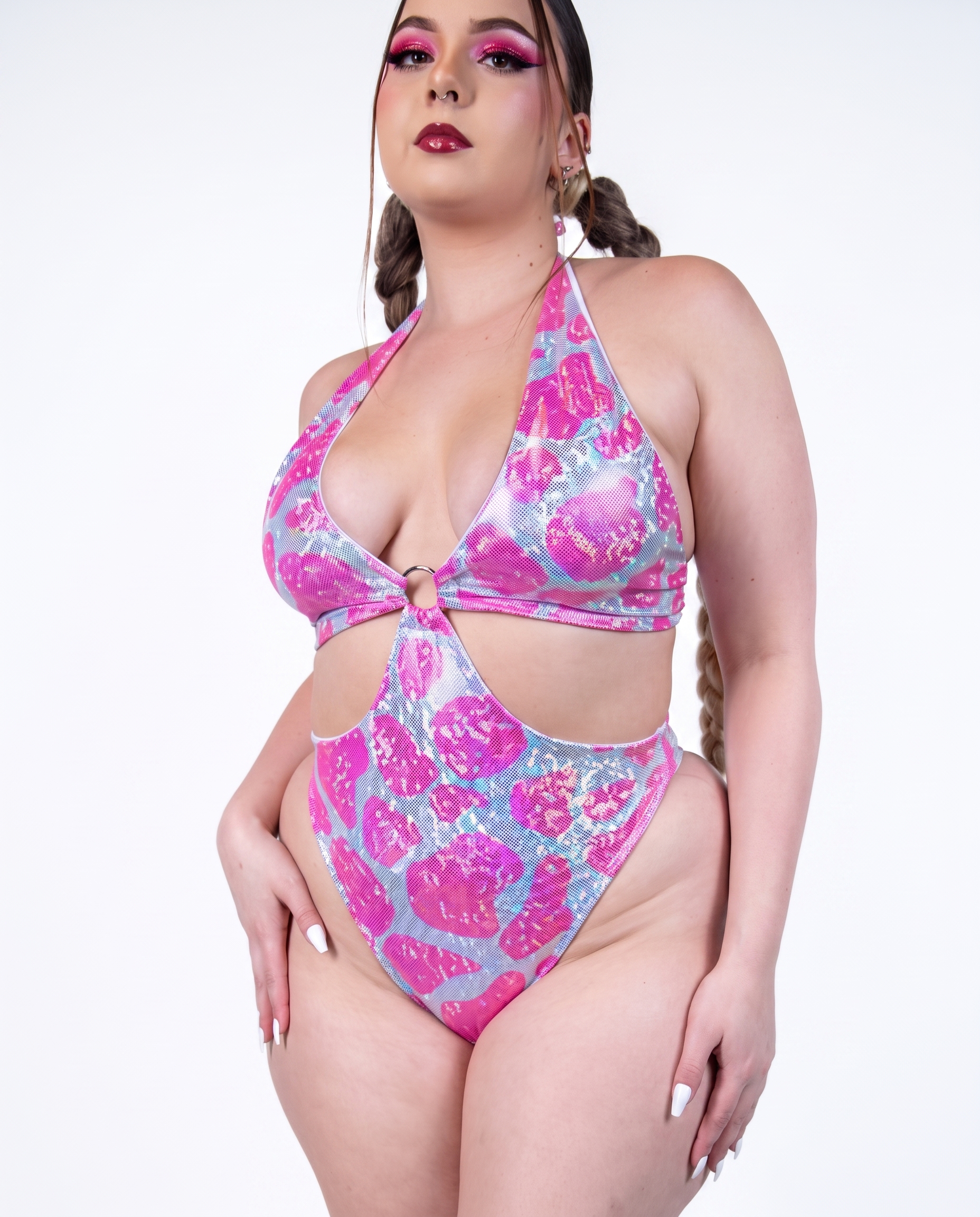
Plus size rave outfits at FRW use the same quality fabrics and construction as every other size — four-way stretch that accommodates movement without restriction, designs that work across body shapes rather than being adapted down from straight-size patterns. If you have experienced rave wear that does not fit right or does not hold its shape on your body, that is a product quality problem, not a body problem. Our sizing runs XS through 2X across the majority of the collection.
What to Wear to a Rave: Essential Accessories
Accessories are where rave outfits go from good to unforgettable. The right accessories add detail, texture, and personality that no single garment can deliver by itself. The wrong accessories — or too many of them without a coherent plan — create visual noise that works against the outfit rather than with it.
Arm Accessories
Kandi — beaded bracelets traded in the rave community as expressions of PLUR (Peace, Love, Unity, Respect) — are the most culturally significant arm accessory in rave fashion. They are received, not bought, but new ravers often start building them before their first event. Arm warmers and rave arm sleeves add coverage and visual extension to the arms. Chain bracelets, cuffs, and stacked rings complete the arm composition.
Harnesses and Body Jewelry
Chain harnesses worn over or under bodysuits are one of the strongest trend directions in current rave fashion. A body chain or harness worn over a bodysuit or between a bodysuit and a sheer overlay creates structural visual interest that moves as you move. They work with dark aesthetics, holographic aesthetics, and virtually everything in between because the metallic quality catches light independently of the base outfit.
Headwear
Festival headwear ranges from practical sun hats for daytime desert events to elaborate decorative headpieces for production nights. A bejeweled headband or festival crown adds height and a sense of occasion that completes maximalist looks. Ear cuffs and ear chains provide similar visual impact at a smaller scale. For hot daytime events, a bucket hat or wide-brim sun hat is both protective and stylistically versatile — the right hat shapes a festival outfit as strongly as any garment.
Shoes for Raves: What Actually Works
Rave footwear is where the most common first-rave mistake occurs. Uncomfortable shoes ruin nights. New shoes ruin nights faster. The combination of new uncomfortable shoes at a festival is a specific kind of suffering that can be avoided with about thirty seconds of decision-making.
Platform shoes — chunky sneakers, platform boots, elevated sandals with thick soles — are the dominant festival footwear for good reason. The thick sole absorbs impact from concrete, asphalt, and hard-packed ground during extended standing and dancing. They add height that works visually with high-waisted festival outfits. And they are stylistically versatile enough to work with both dark underground aesthetics and maximalist main stage looks.
Key footwear rules for festival wear: break in new shoes before the event (wear them for at least two or three full days of normal activity first), avoid open-toed sandals or flip flops at nighttime events where crowds are dense (stomped toes are a genuine risk), and prioritize ankle support for events with uneven terrain or extended standing on hard surfaces.
Dressing for Weather at Raves and Festivals
Hot Weather and Summer Festivals
For summer outdoor festivals — Coachella, Ultra Miami, HARD Summer — heat management is the primary constraint. Mesh and fishnet pieces provide maximum airflow. Minimal layering minimizes heat retention. Light colors and reflective fabrics like holographic material reflect solar radiation rather than absorbing it. A portable handheld fan is a functional accessory in genuine heat conditions.
Festival makeup and body paint choices also matter in heat. Matte formulations last longer in heat and humidity than glossy products. Setting spray extends wear time significantly. Body paint and glitter work better in lower-humidity conditions — in high humidity, they tend to migrate and transfer regardless of the product quality.
Cold Weather and Night Events
Temperature drops significantly at multi-day outdoor festivals after midnight, often by 20 to 30 degrees. An outfit that was comfortable in afternoon heat will be genuinely cold by 4am. The layering system that handles this: a bodysuit as the base, a mesh or sheer top added as a mid-layer, and a lightweight jacket or flannel as the outermost layer that can be removed and tied at the waist during high-energy moments.
Fishnet tights under shorts or a skirt add significant warmth while maintaining the festival aesthetic. Full-coverage bottoms like rave pants or flares eliminate the cold-legs problem entirely. Men's rave outfits often solve the cold-weather challenge through layering pieces — an open overshirt or mesh long-sleeve over a bodysuit provides warmth with ventilation options.
Indoor Events Year-Round
Indoor events present a different challenge: venues packed with bodies generate significant heat regardless of the outside temperature. The base layer — typically a bodysuit, crop top, or minimalist piece — needs to handle this heat. But the walk to and from the venue, the outdoor smoking areas, and outdoor queues can be significantly colder. Solution: a compact jacket or flannel that fits in a small bag for outdoor transitions, removed the moment you are inside.
What NOT to Wear to a Rave
Just as useful as knowing what works is knowing what reliably does not.
- Brand-new shoes: Already covered, but worth repeating. Festivals are not shoe-breaking-in opportunities. They are shoe-destroying opportunities if the shoe is not already comfortable.
- Anything you cannot afford to lose or damage: Festivals involve sweat, crowds, temperature extremes, and the full spectrum of outdoor conditions. Irreplaceable jewelry, heirloom pieces, or anything that will be emotionally devastating if lost or damaged should stay home.
- Restrictive or inflexible clothing: Stiff denim, tight blazers, formal dress — anything that limits range of motion or does not handle sweat gracefully will fight you all night.
- Costumes with visibility limitations: Full masks, elaborate headpieces that block peripheral vision, or anything that prevents normal sight lines create safety risks in dense crowds.
- Fast fashion that will not last the weekend: Cheap stretch fabric loses its elasticity within hours of festival conditions. A bodysuit that starts pulling and distorting by hour four is not an outfit — it is a distraction from the music.
Packing Tips for Festival Outfits
The logistics of getting a festival outfit from home to the dance floor in good condition require some thought, especially for multi-day events.

- Roll mesh and fishnet pieces rather than folding them — rolling prevents crease lines that flatten the texture of open-weave fabrics
- Pack each outfit day in a separate clear bag so you can grab the complete day's look without repacking everything
- Bring double the amount of socks you think you need — fresh socks are one of the highest-impact comfort improvements available at a multi-day festival
- A compact stain removal pen handles most festival fabric emergencies — spilled drinks, sunscreen smears, and similar situations before they set
- Pack a single recovery outfit: something comfortable, clean, and requiring zero styling decisions for the morning after the final night
- Store accessories in a hard-sided case or pouch to prevent the tangling and kandi damage that happens in soft bags
Building a Complete 2026 Rave Wardrobe
The most sustainable approach to rave fashion is building a wardrobe of versatile, high-quality pieces that combine into multiple complete looks rather than buying single-event outfits that cannot be recombined. Three quality bodysuits, two or three bottom options, one or two layering pieces, and a set of accessories generates more distinct looks than three times the quantity of fast-fashion separates that only work in their original combinations.
Start with the foundations: a bodysuit from the rave bodysuits collection, a top from rave tops, a high-waisted bottom from rave bottoms. From there, add the accessories and layering pieces that express your specific aesthetic. Arm sleeves from the rave arm sleeves collection add drama. Accessories from rave accessories complete the look. Holographic options from holographic rave outfits, dark pieces from dark rave outfits, and festival-specific options like EDC outfits or plus size rave outfits fill in the specific scenarios your festival calendar requires.
Every piece from Freedom Rave Wear is handcrafted in San Diego from 85 percent recycled PET fabric, built for the conditions you will actually put it through, and backed by a lifetime warranty. The rave fam has been festival-testing these pieces for years. Your wardrobe should be too.
The goal of every rave outfit is the same regardless of genre, venue, or aesthetic: to look on the outside how you feel on the inside. Your outside finally matching your inside — that is the standard. Everything else is details.