If you have not been paying attention to afro house rave outfits, you are about to fall behind the fastest-moving wave in dance music. Afro house grew 778% on Beatport over the past two years, and with it came a fashion sensibility that looks nothing like the neon-and-kandi playbook most ravers default to. This is a scene built on rhythm, warmth, and cultural depth, and the way people dress for it reflects all three. The outfits are vibrant but intentional, bold but grounded, and increasingly impossible for the rest of electronic music to ignore.
Whether you are gearing up for Afro Nation, a Black Coffee headline set, or an amapiano day party that spills into the early hours, the way you show up matters. Not as a costume, but as a statement of cultural fluency. This guide breaks down what to wear, why it works, and how to build a wardrobe that moves as well as you do.
Why Afro House Fashion Stands Apart
Afro house did not borrow its aesthetic from mainstream rave culture. It built its own from the ground up, drawing on West African textiles, South African street style, Afro-futurist design, and the celebration-centered energy of genres like amapiano and Afro-tech. The result is a visual language that prioritizes color, movement, and cultural storytelling over the shock-value maximalism that dominates other corners of the electronic music world.
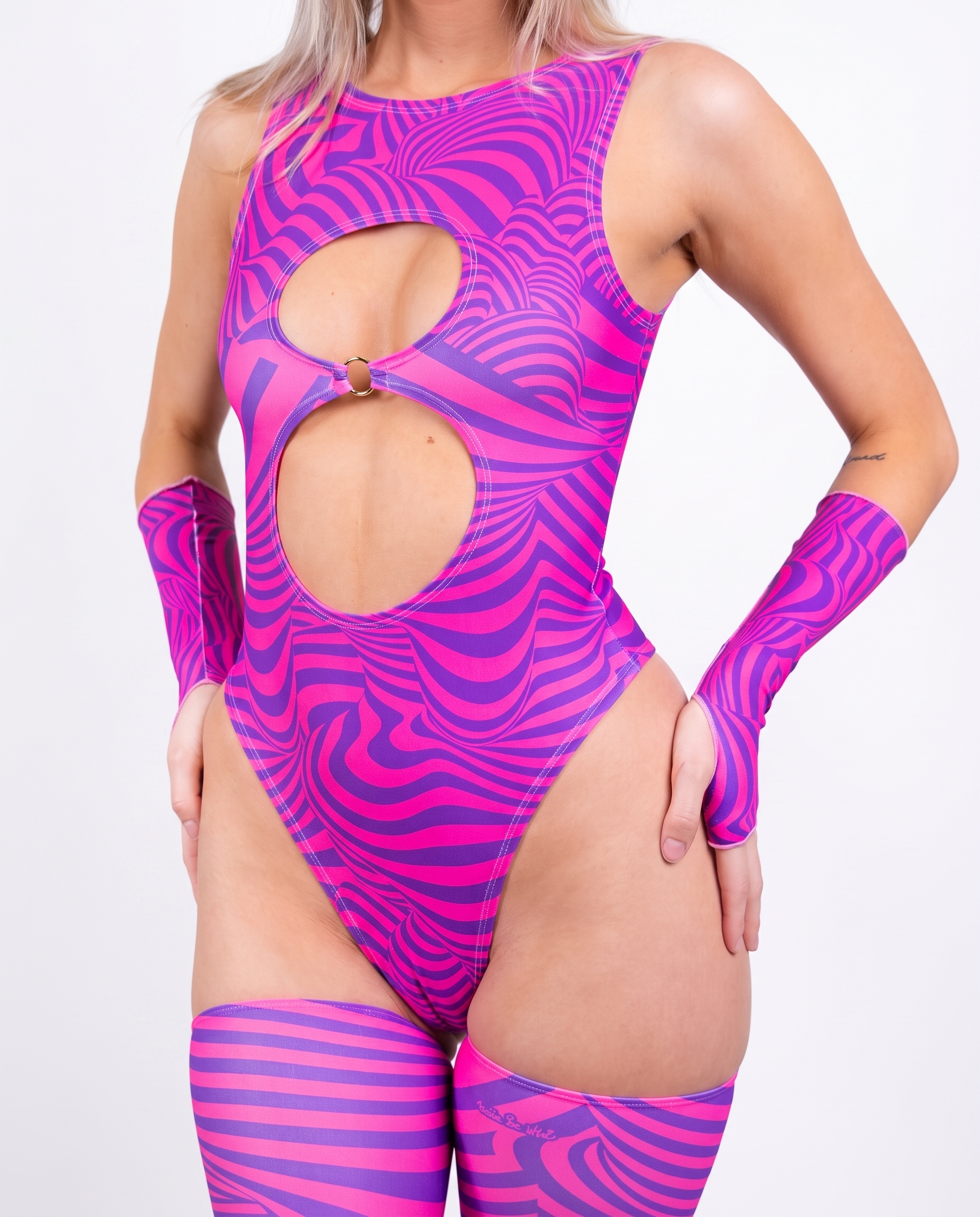
Walk into any afro house event and the difference is immediate. You will see bold prints inspired by ankara and kente cloth alongside contemporary silhouettes. Earth tones mixed with electric oranges, deep indigos, and metallic golds. Flowing fabrics that catch the light when you move. The aesthetic rewards confidence and personal expression, but it does so through warmth rather than aggression. According to Beatportal year in dance music, the genre's explosive streaming growth has only accelerated its influence on how people dress for dance music events globally.
This is also one of the most inclusive scenes in electronic music when it comes to fashion. There is no narrow uniform. The dress code spans from dressed-up elegance to relaxed festival ease, and the crowd respects both equally. What matters is that your look feels considered and connected to the energy of the music.
Women's Afro House Outfits: Color, Flow, and Intention
Afro house fashion for women is defined by movement. The music is rhythmic and percussive, built for sustained dancing rather than peak-and-drop intensity, and the best outfits mirror that quality. Pieces that flow, drape, and respond to your body as you move are the foundation of the look. Static, rigid silhouettes feel out of place here.
Vibrant Tops and Bodysuits
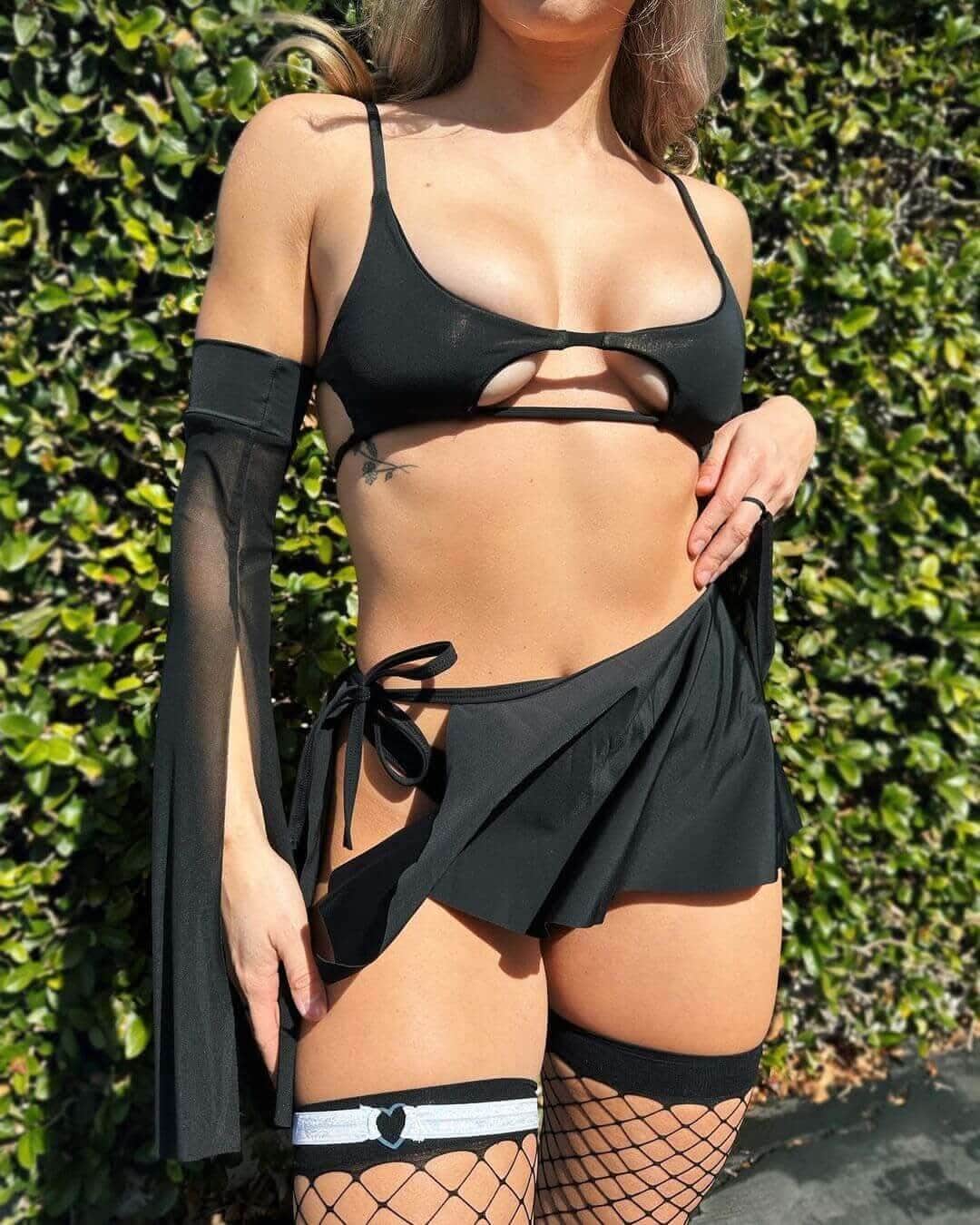
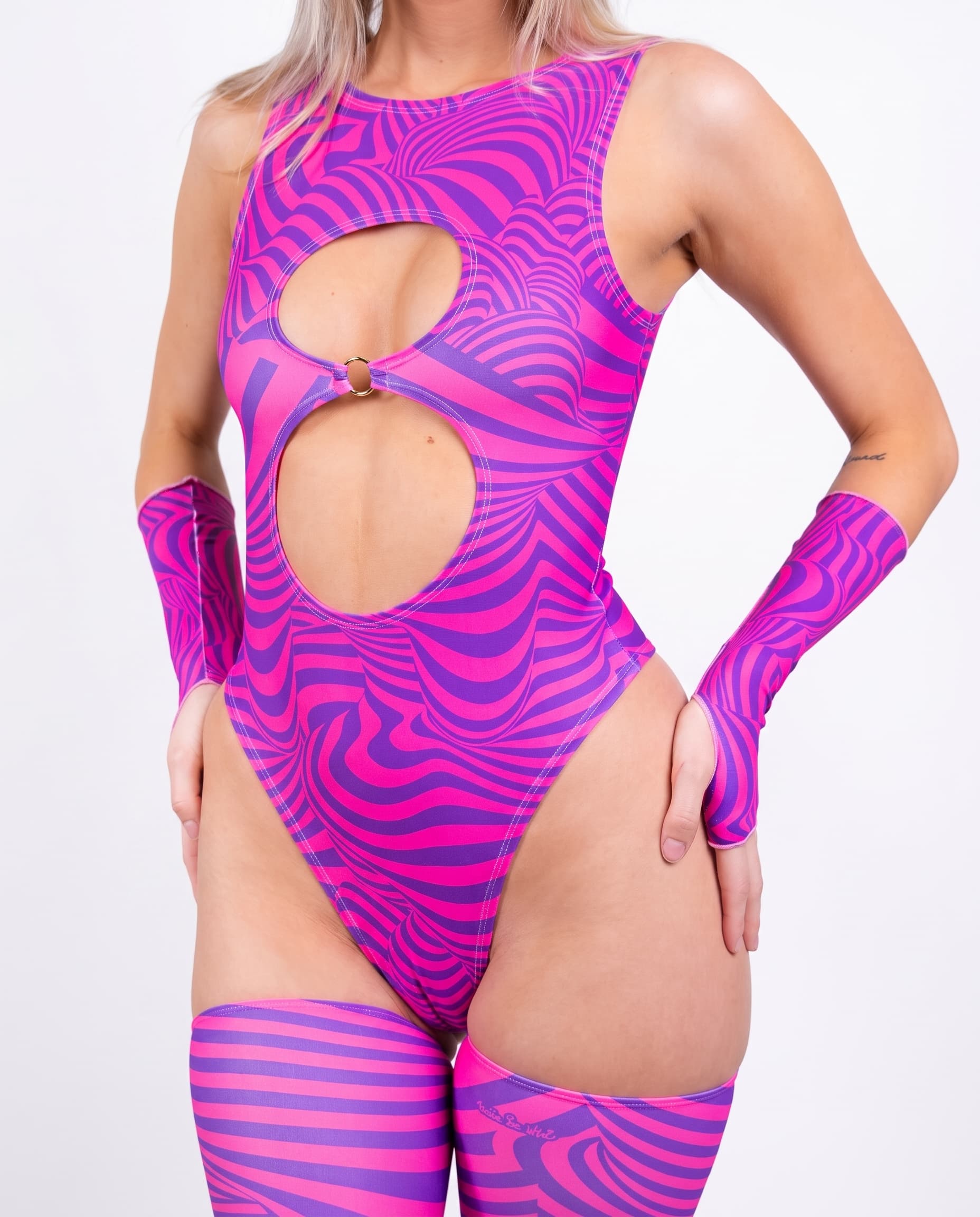
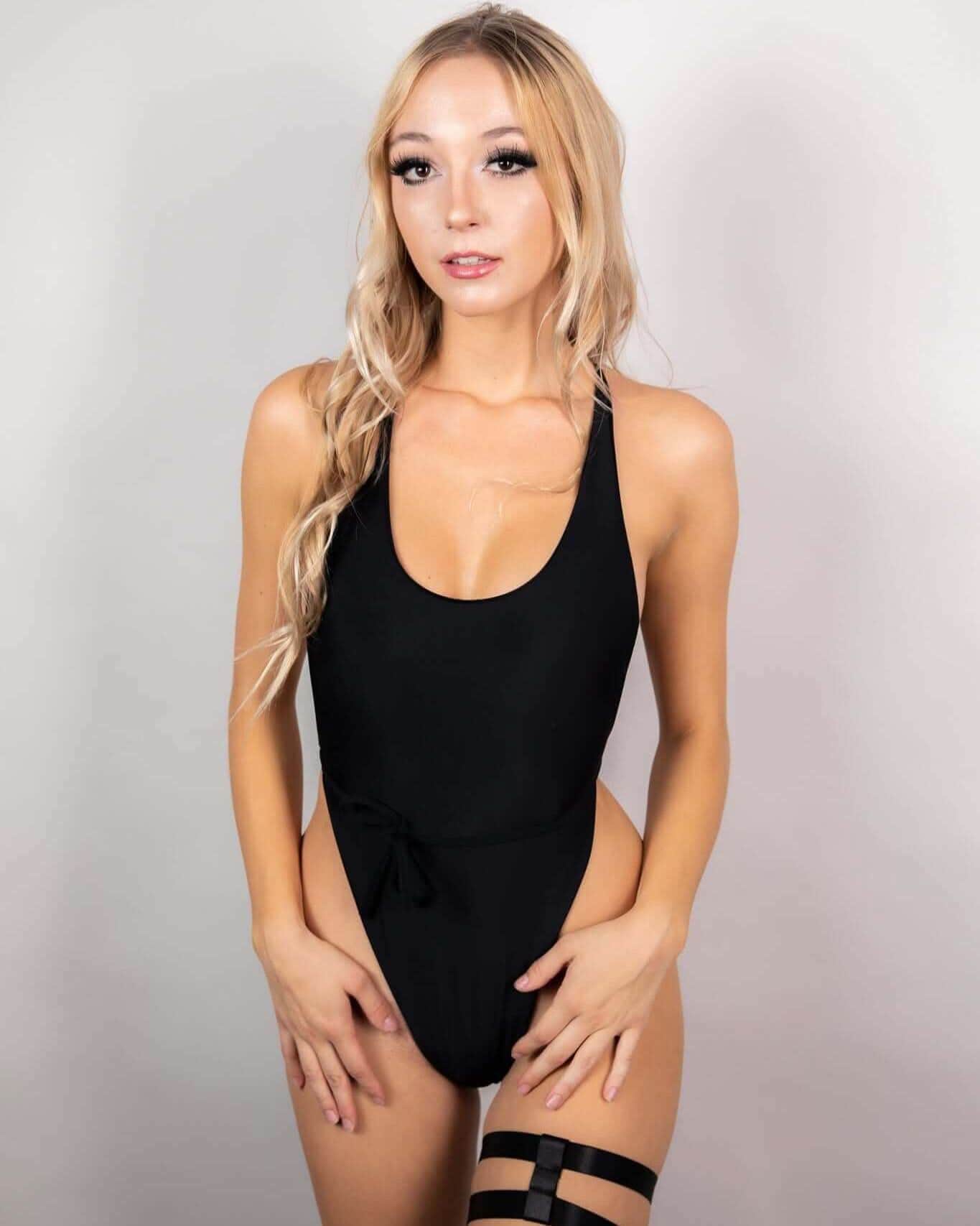
Color is non-negotiable. While other electronic genres lean into dark palettes or neon contrast, afro house fashion embraces the full spectrum with particular emphasis on warm tones: burnt orange, terracotta, gold, rich purple, and deep teal. A fitted bodysuit in a bold color or print serves as the ideal base layer, staying secure through hours of dancing while letting you build the rest of the look around it. Explore our rave tops for pieces that hold up under sustained movement and look striking under stage lighting.
Crop tops with interesting structural details, asymmetric cuts, or textured fabrics also work well. The key is choosing pieces that have visual depth. A flat, single-tone top can feel underwhelming in a crowd where everyone brings energy to their wardrobe. Look for fabrics with subtle sheen, woven texture, or print work that gives your outfit something to say even from across the room.
Flowing Bottoms and High-Waisted Silhouettes
Wide-leg pants and flowing rave bottoms are a natural fit for the afro house scene. The silhouette complements the music's fluidity, and the movement of the fabric adds a visual rhythm that static, skin-tight styles cannot replicate. High-waisted cuts are the standard, creating a clean line that elongates the frame and pairs well with cropped or fitted tops.
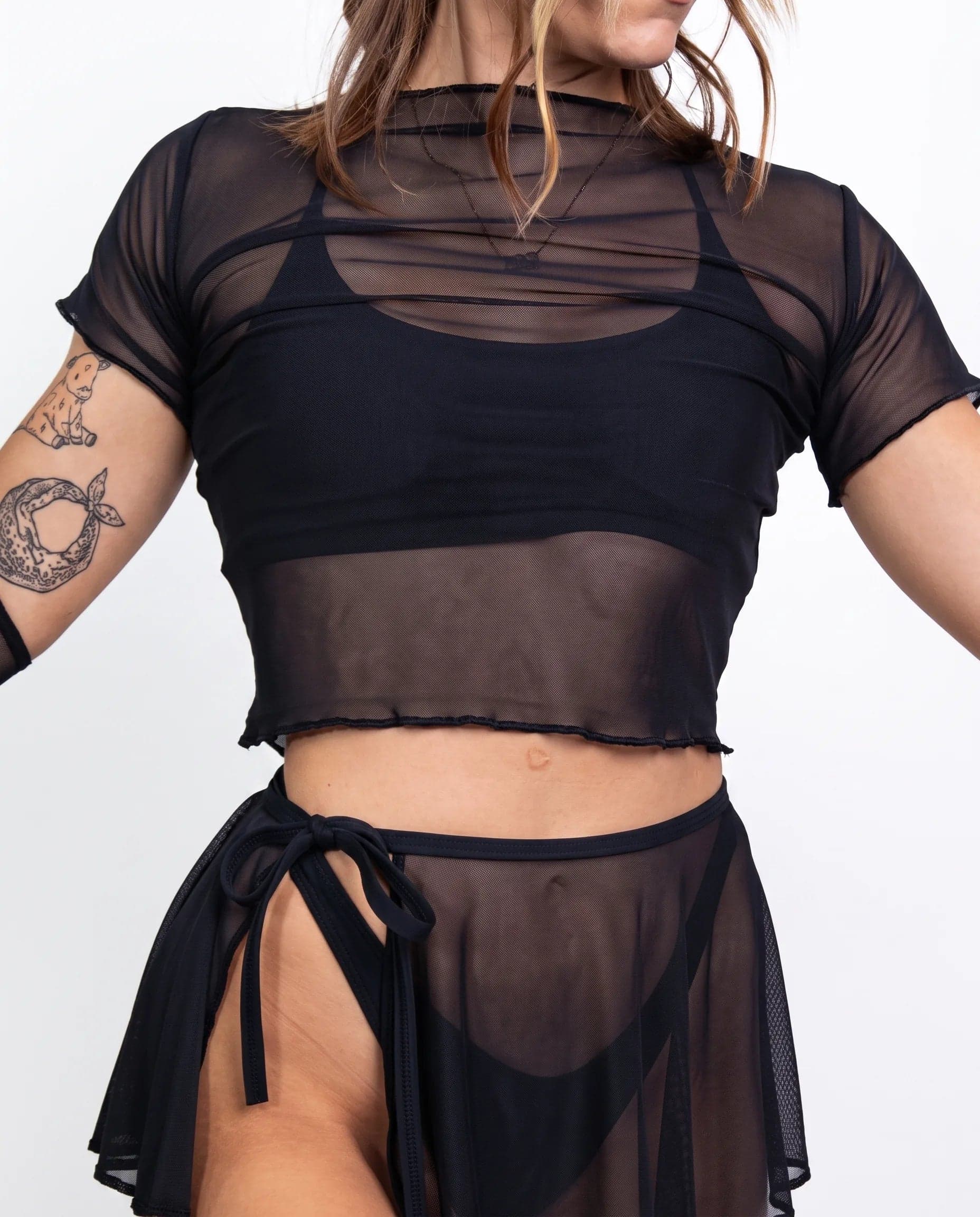
For outdoor festivals and day parties, lightweight palazzo-style pants in bold prints or saturated solids are a strong choice. They breathe in the heat, they photograph well, and they let you dance without restriction. For evening events, a high-waisted skirt with movement, whether pleated, wrapped, or cut on the bias, brings an elevated quality that matches the sophistication the afro house crowd gravitates toward.
Print Mixing and Cultural Textiles
One of the defining features of afro house festival fashion is the presence of print. Geometric patterns, tribal-inspired motifs, and bold color blocking are all part of the visual vocabulary. Mixing prints is not just accepted here but celebrated, provided the color palette holds together. A printed top with a complementary printed bottom, connected by shared tones, is a look that lands at afro house events in a way it might not at a techno warehouse night.
Approach print with respect and intention. The patterns that inspire afro house fashion carry cultural significance, and wearing them well means wearing them with awareness rather than treating them as a novelty. When done right, print-forward outfits at afro house events are some of the most visually compelling looks in all of dance music.
Statement Accessories
Accessories in the afro house scene lean toward the bold and the intentional. Oversized earrings, layered gold jewelry, head wraps, and beaded accents all read authentically. Unlike genres where accessories are purely decorative, the afro house crowd often uses them as cultural signifiers, pieces that connect the wearer to heritage, community, or personal narrative.
Body chains and layered necklaces work particularly well over fitted tops or bodysuits, catching light and adding dimension without restricting movement. The goal is adornment that feels purposeful. Skip anything that reads as generic festival costume and lean into pieces with texture, weight, and meaning.
Men's Afro House Style: Elevated and Intentional
Men's fashion at afro house events operates at a higher baseline than most electronic music scenes. The default is not a band tee and shorts. It is a put-together look that signals you understand the cultural context you are stepping into. This does not mean formal. It means considered.
Printed and Patterned Shirts
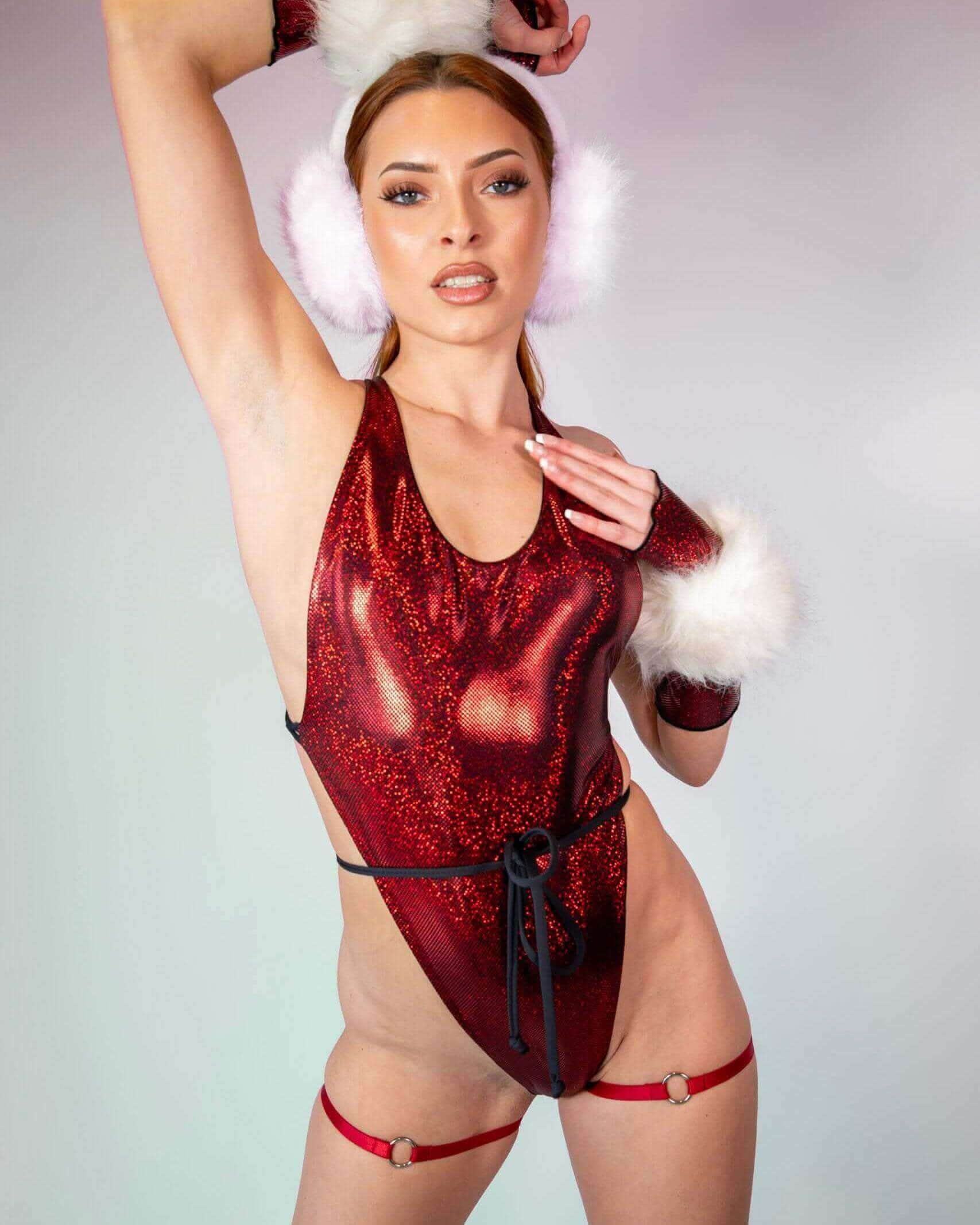
A well-fitting shirt in a bold print is the centerpiece of men's afro house dressing. Camp collar shirts, oversized button-downs, and short-sleeve styles in ankara-inspired prints, geometric patterns, or rich solids are the standard. The fit should be relaxed but not sloppy. Unbuttoned over a fitted tank or vest works for hotter environments, while a fully buttoned statement shirt stands on its own for evening events.
Linen and linen-blend fabrics perform well in the warm, dance-heavy environments where afro house thrives. They breathe, they drape naturally, and they develop the kind of lived-in texture that looks better as the night goes on rather than worse.
Tailored Bottoms and Clean Lines
Slim or relaxed-fit trousers in earth tones, cream, or black are the go-to. Tailored joggers with a clean silhouette also work, particularly at festival settings where the dress code loosens. The key is avoiding anything that looks like you grabbed it from a gym bag. Even at outdoor day parties, the men in the afro house crowd tend to dress with a level of polish that sets the scene apart.
Footwear and Finishing Details
Clean sneakers or leather sandals are the standard for men. Chunky festival boots feel out of place here. The afro house aesthetic rewards sleekness and simplicity in footwear, letting the rest of the outfit carry the visual weight. A quality watch, a beaded bracelet, or a simple chain adds the finishing layer without overcomplicating the look.
Afro Nation and Major Events: Dressing for the Moment
Afro Nation has become the tentpole festival for this sound, drawing tens of thousands to coastal stages in Portugal, Ghana, and Puerto Rico. The dress code at Afro Nation sits at the intersection of resort wear, Afro-futurism, and dance music fashion, and it is one of the most visually dynamic festival environments on the planet. If you are building an afro house festival fashion wardrobe, Afro Nation is the benchmark.
Daytime sets call for lightweight, breathable pieces that handle sun and heat while still looking intentional. Coordinated sets, matching top-and-bottom combinations in bold prints or saturated solids, are everywhere and for good reason. They look polished, they simplify outfit planning, and they photograph well against the ocean-and-stage backdrops that define the Afro Nation experience.
Evening sets shift the energy. This is where metallic fabrics, deeper color palettes, and more structured silhouettes come into play. A gold or bronze bodysuit paired with flowing pants, layered jewelry, and confident attitude is the kind of look that defines the afro house fashion conversation. The crowd dresses up for the headliners, and when Black Coffee or Themba takes the stage, the audience is part of the spectacle.
The Amapiano Crossover: Where the Styles Merge
You cannot talk about afro house fashion in 2026 without addressing amapiano. The South African genre has crossed over into global consciousness with a force that few people predicted, and its fashion influence has come with it. Amapiano rave outfits share DNA with afro house style but tend to run slightly more relaxed, more streetwear-inflected, and more tied to contemporary South African youth culture.
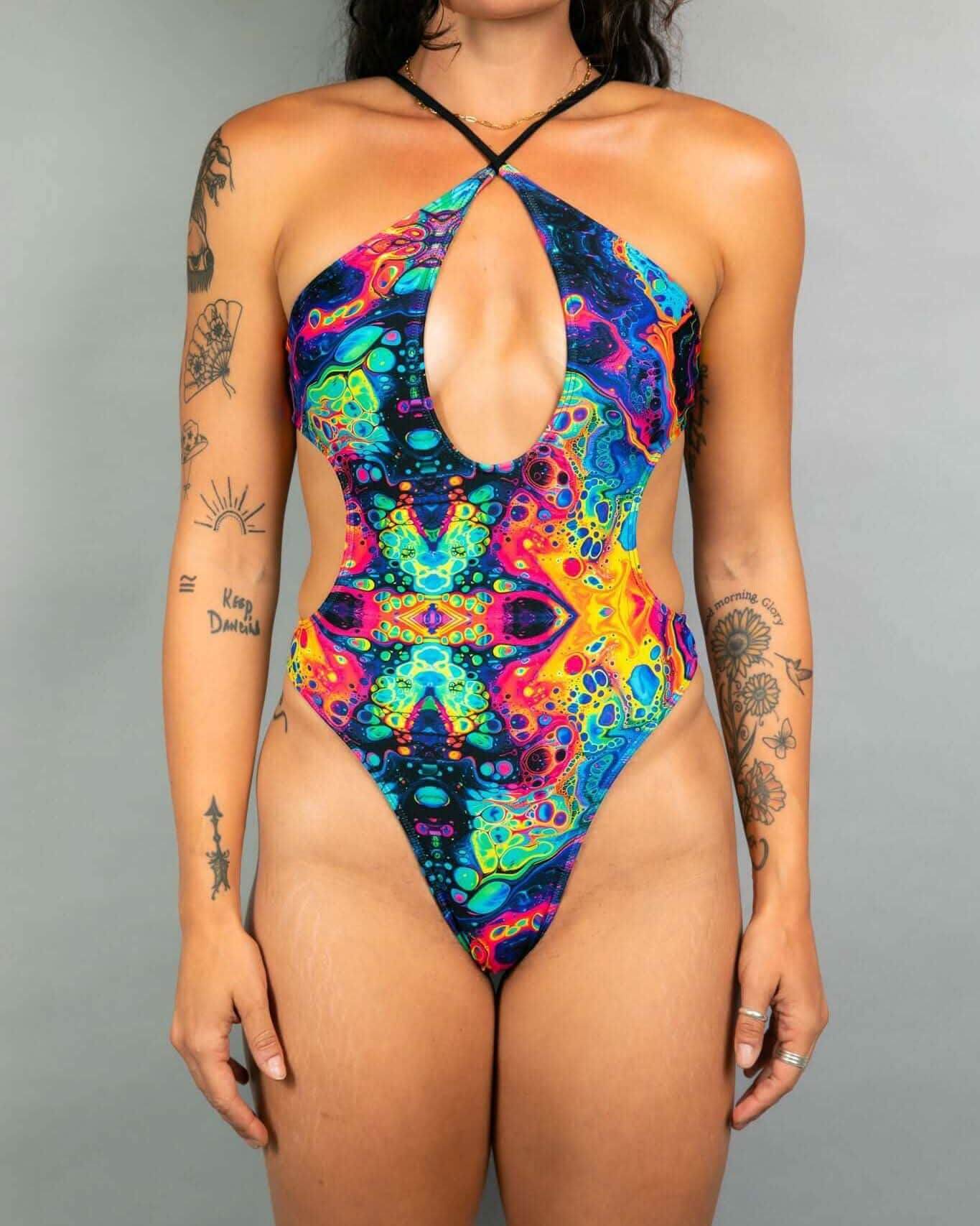
For women, the amapiano influence shows up in bodycon silhouettes, bold color choices, and a willingness to mix high fashion references with casual ease. Think a structured crop top with relaxed wide-leg pants, chunky jewelry, and statement sunglasses. For men, the amapiano wave has pushed patterns, color, and accessorizing further into the mainstream of dance music dressing.
The overlap between amapiano and afro house events is growing, and so is the overlap in fashion. Building a wardrobe that works across both scenes means investing in versatile statement pieces rather than genre-specific costumes. Pieces that can move from a Black Coffee sunset set to an amapiano afterparty without a wardrobe change are the ones worth owning.
Building Your Afro House Wardrobe: Practical Guidance
The afro house scene rewards investment in quality over quantity. A few well-chosen pieces that fit well, move well, and hold up to repeated wear will serve you better than a closet full of fast fashion that falls apart after one event. This is where brands that prioritize craftsmanship over volume make the difference.
Start with Color and Fit
Your foundation pieces should be in colors that work with the afro house palette: warm tones, jewel tones, metallics, and rich neutrals. A bodysuit in gold, terracotta, or deep emerald is more versatile in this scene than the standard all-black base layer. Fit matters too. Pieces should move with your body, not against it. Four-way stretch fabrics and thoughtful construction mean you can dance for hours without adjusting, pulling, or worrying about structural failure.
Freedom Rave Wear builds every piece by hand in San Diego using recycled materials, and each one comes backed by a lifetime warranty. That combination of sustainability, durability, and craftsmanship means your investment in a single quality piece outlasts a dozen disposable alternatives. When you are building a wardrobe for a scene that values intention, that kind of quality shows.
Layer for Versatility
Afro house events range from open-air beach stages to late-night indoor sets, sometimes in the same weekend. Layering lets you adapt without overhauling your entire look. A lightweight kimono or open-front cover-up over a bodysuit transitions you from afternoon sun to evening breeze. A structured vest or harness over a flowing top adds dimension for nighttime sets. Build your outfits with adaptability in mind.
Invest in Accessories That Tell a Story
More than almost any other electronic music scene, afro house rewards accessories with meaning. Beaded jewelry, statement earrings, layered metals, and head wraps are not just decoration. They are part of the cultural conversation. Choose pieces that resonate with you personally rather than grabbing whatever looks "ethnic" off a fast fashion rack. The crowd can tell the difference, and so can you.
Why This Matters: The Blue Ocean of Afro House Fashion
Afro house fashion 2026 represents one of the most significant untapped opportunities in dance music style. While every rave fashion brand in the market chases the same EDM and bass music audience with the same neon-and-black formula, an entire community of culturally engaged, fashion-forward dance music fans has been largely ignored. The afro house and amapiano crowds are growing faster than any other segment in electronic music, and they are looking for brands that understand their aesthetic rather than asking them to conform to someone else's.

This is a scene that values quality, cultural awareness, and intentional design. It rewards brands that show up with respect and relevance rather than generic festival-wear repackaged with a new label. The outfits by genre conversation in dance music is expanding, and afro house is leading the charge.
The growth is not slowing down. As afro house continues to fill festival stages from Ibiza to Brooklyn, the fashion conversation around it will only become more prominent. Getting ahead of that curve means building your wardrobe now, investing in pieces that honor the culture's aesthetic, and showing up to these events looking like you belong rather than like you wandered in from a different stage.
Explore our collections of best rave outfits to find pieces built for the energy, movement, and intention that afro house demands. Handcrafted in San Diego, made from recycled materials, and backed by a lifetime warranty, every piece is designed to keep up with wherever the music takes you.