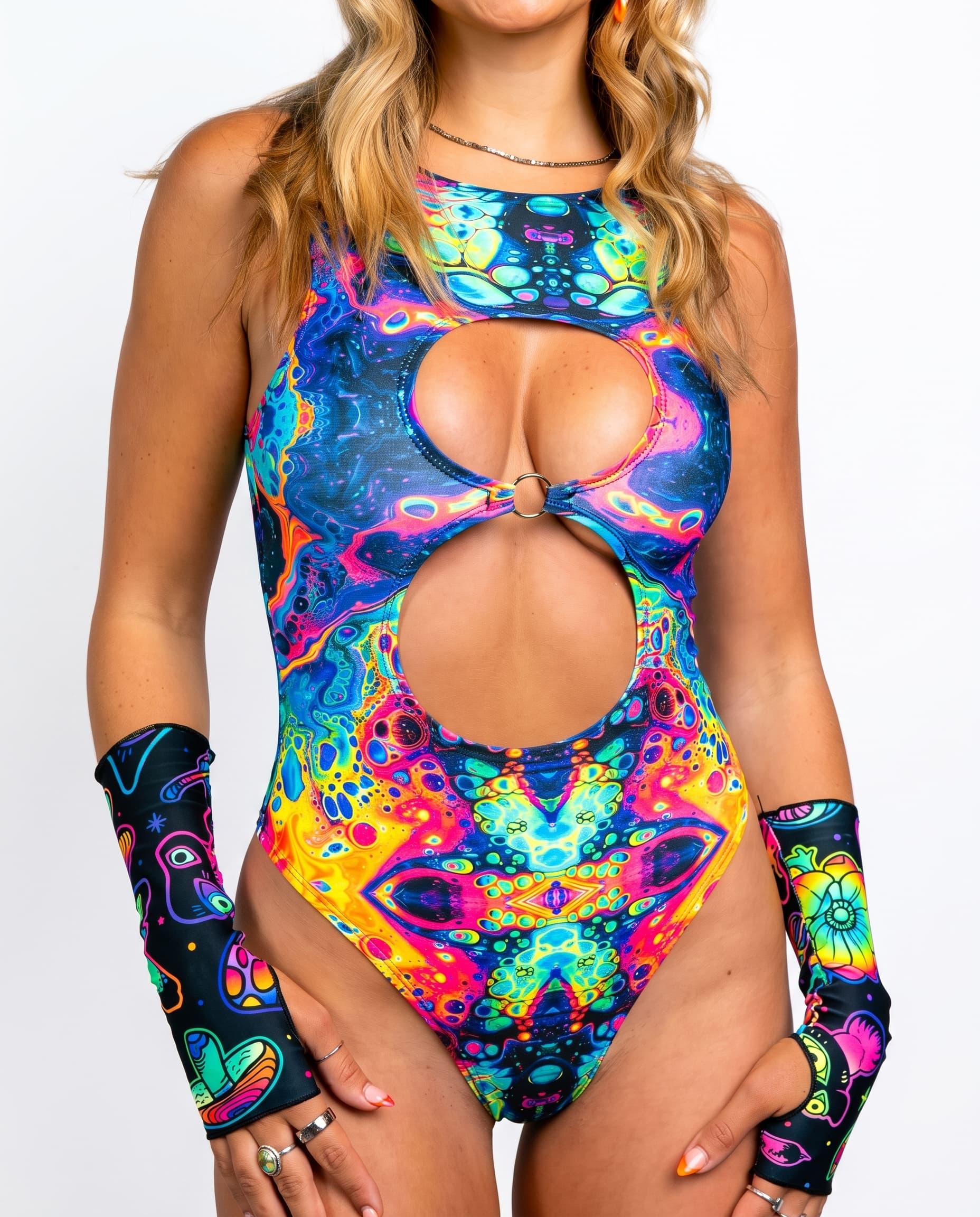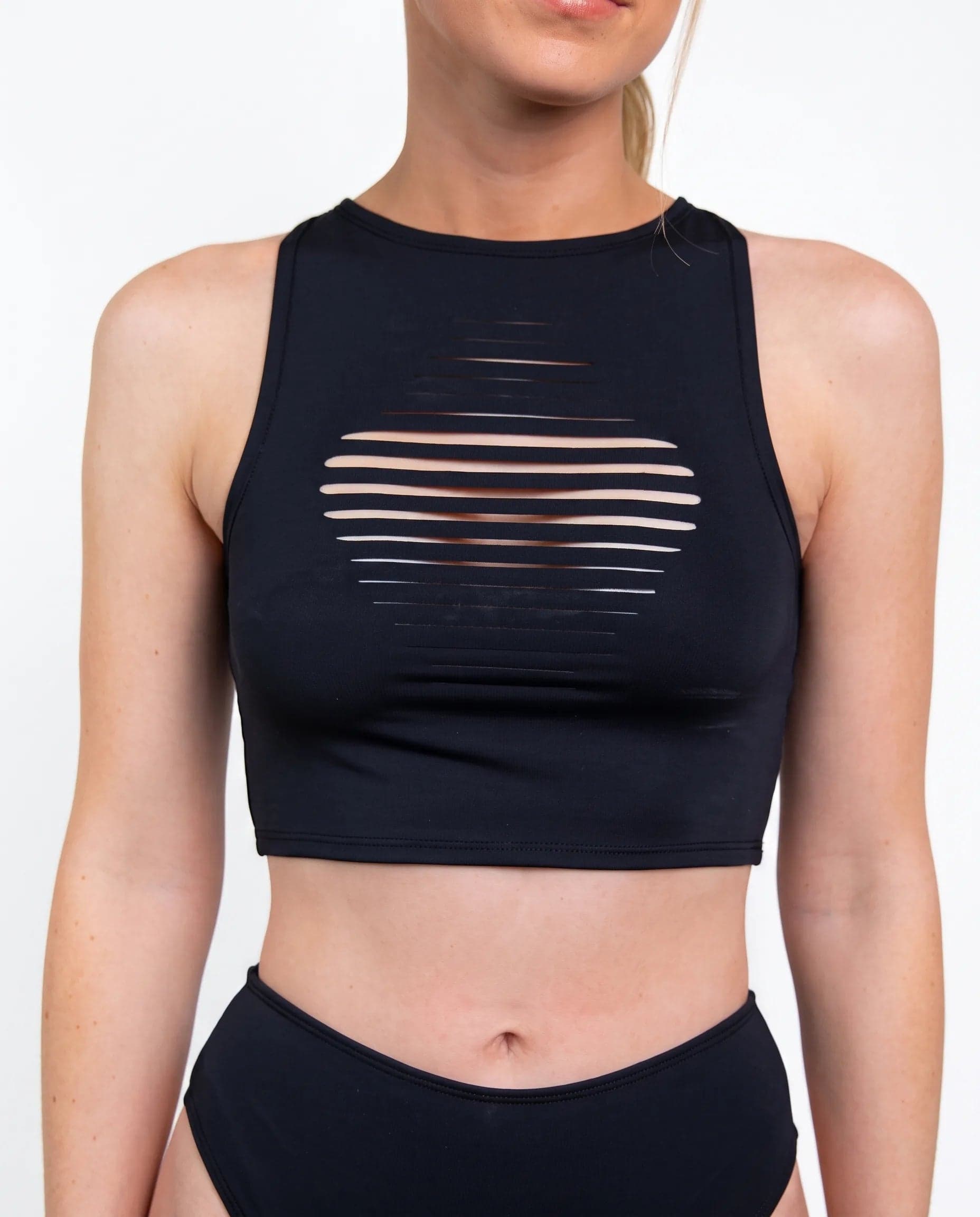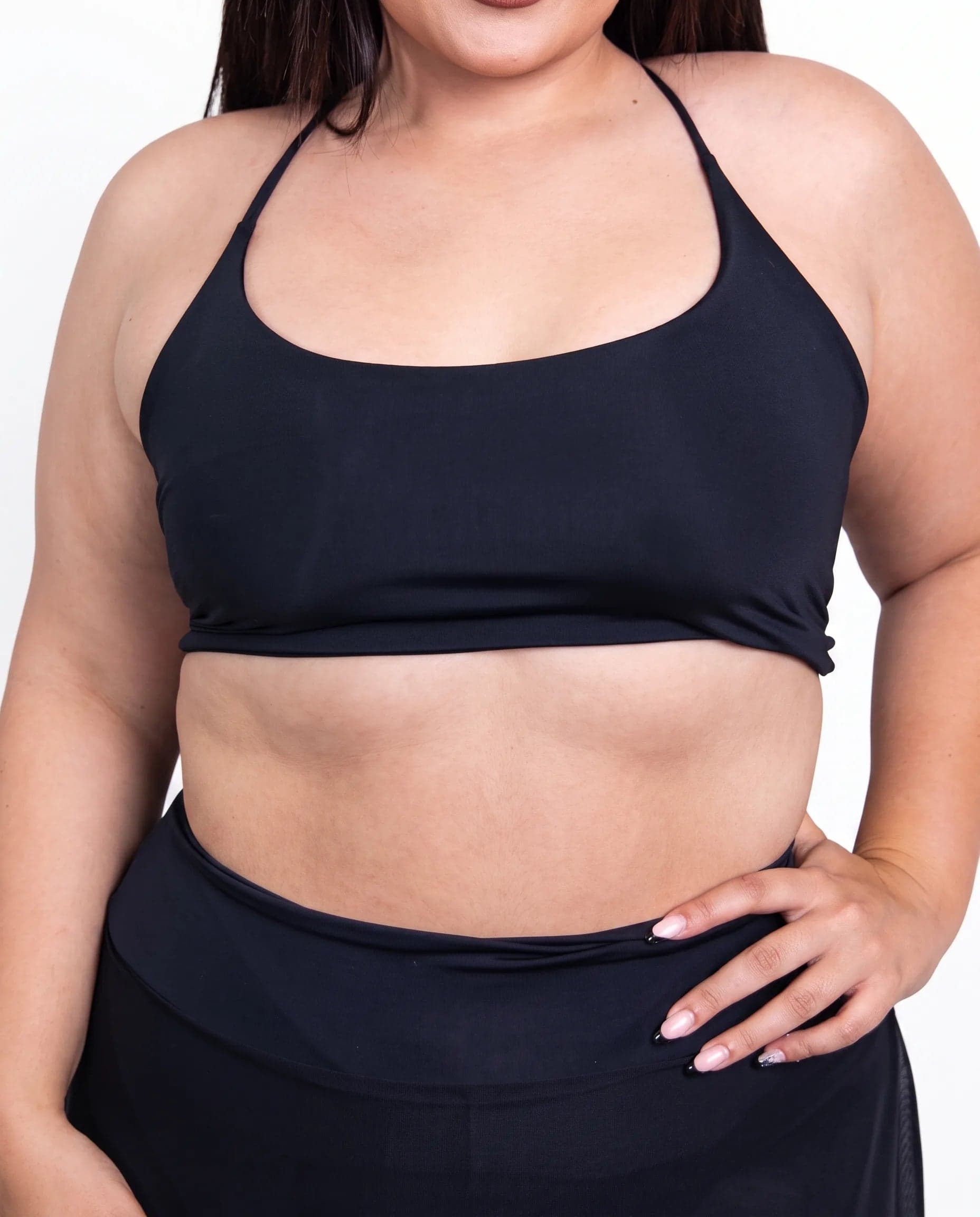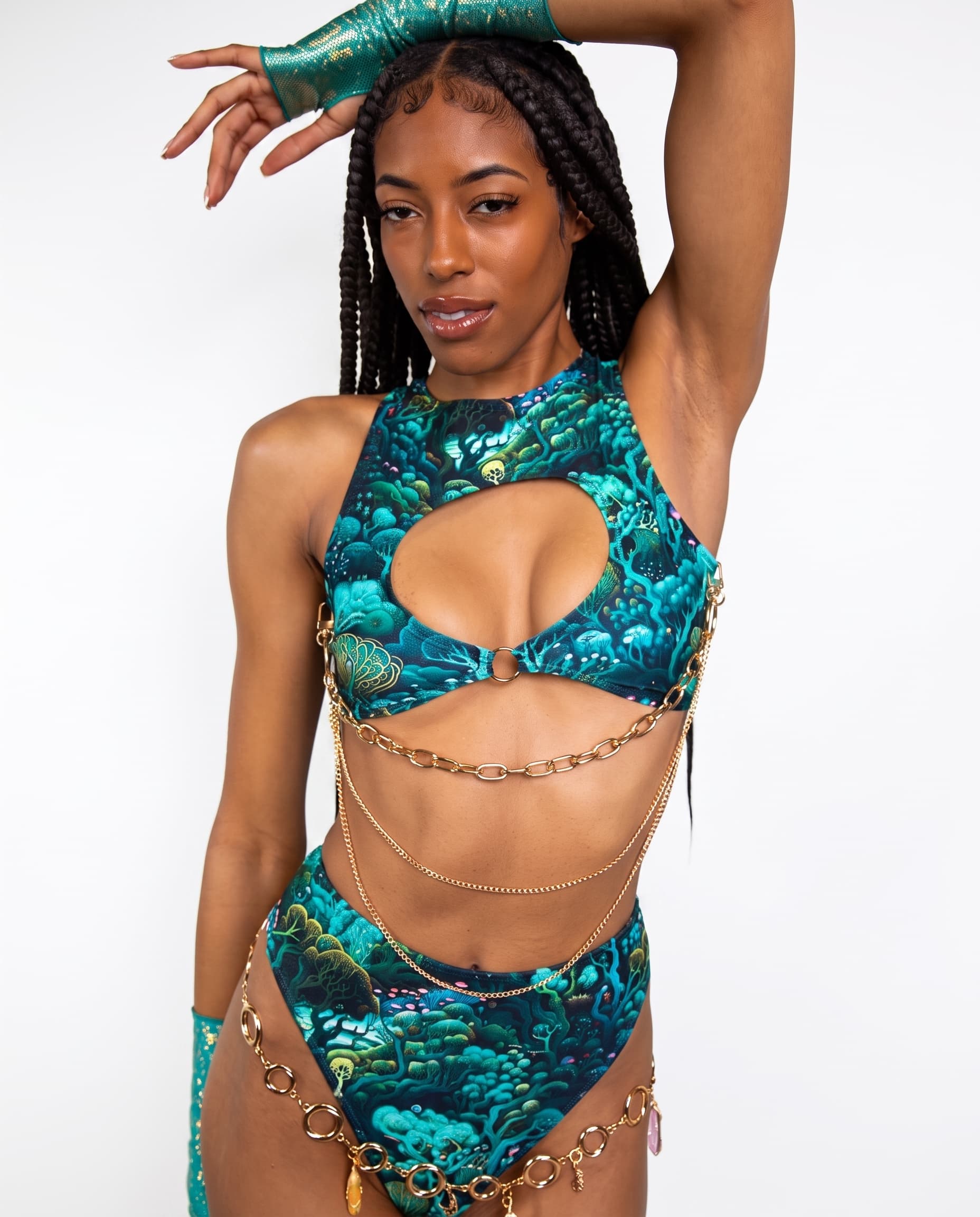
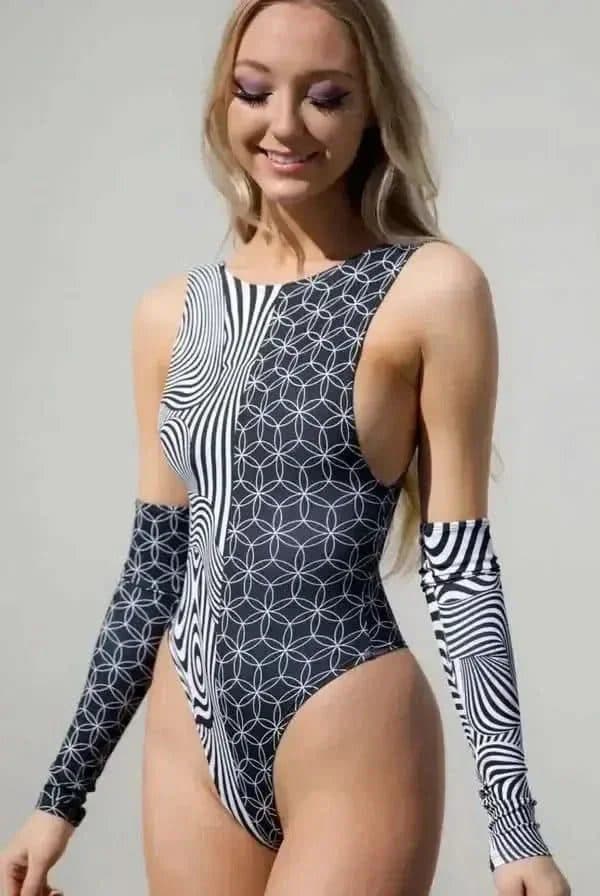
EDM outfits have undergone a radical transformation since the early days of underground warehouse parties. What started as functional workwear thrown on for a night of dancing has evolved into one of the most expressive, boundary-pushing fashion movements in modern culture. If you're someone who treats getting dressed as the opening act of the night, understanding where rave fashion came from makes the whole ritual feel even more meaningful.
The story of rave fashion isn't just about clothes changing — it's about a community finding its voice, one outfit at a time. From acid house smiley faces to holographic bodysuits that catch every laser, the evolution of EDM outfits mirrors the evolution of the culture itself: louder, bolder, and more inclusive with every generation.
The Roots of Rave: Late 80s and Early 90s
Pinpointing the exact birthplace of rave culture is like trying to trace a bassline back to its first vibration — it happened everywhere and nowhere at once. But most cultural historians point to the explosion of acid house music in Chicago, Manchester, and London as the catalyst. By the early 90s, people were using the word "rave" to describe the wildest, most electrifying parties happening in any given city.
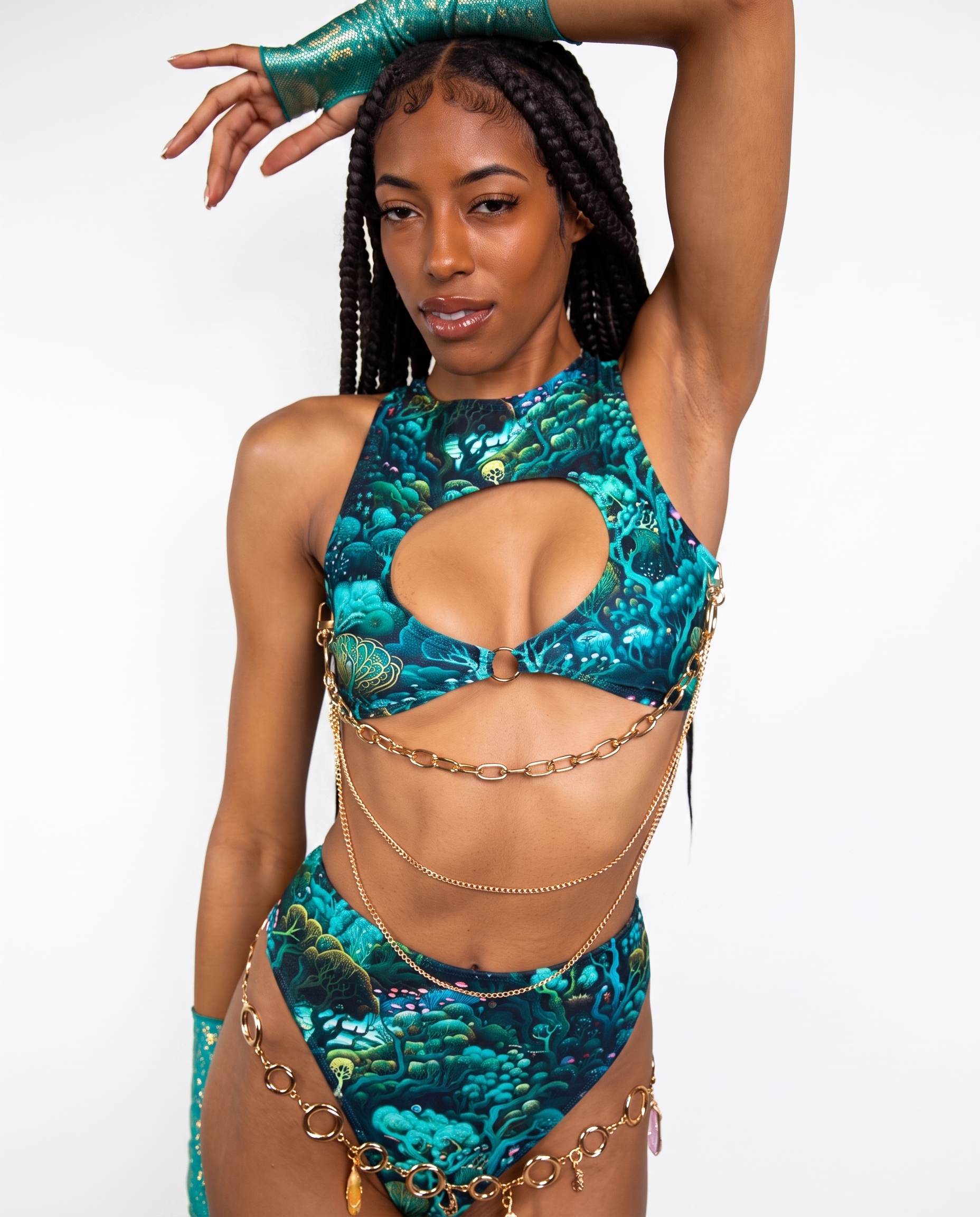
What made these early events different wasn't just the music. They were unsanctioned. Warehouses, open fields, abandoned buildings — any space with electricity and enough room to dance could become the venue for the next legendary night. And because you never quite knew what conditions you'd be dancing in, the first wave of rave fashion was rooted in practicality.
Think boiler suits, oversized overalls, and the iconic phat pants that let you move freely no matter how hard the beat dropped. These weren't fashion statements in the traditional sense — they were functional choices made by people who prioritized dancing over looking polished. Comfort was king, and the dress code was essentially "whatever lets you go all night."
But even in those raw, early days, self-expression was already baked into the culture. Acid-inspired tie-dye prints and grinning smiley faces became unofficial uniforms. Bright, clashing colors signaled that you were part of something — a tribe united by sound, movement, and the shared understanding that the outside world's rules didn't apply on the dance floor.
Late 90s: Hip-Hop Influence and the Rise of Cyber Fashion
As the millennium approached, rave culture started to shift. Events became better organized, moving from sketchy underground gatherings into proper venues and early festival formats. This didn't dilute the culture — it amplified it. More people meant more creative energy, and EDM outfits started absorbing influences from everywhere.
Hip-hop culture was one of the biggest forces shaping rave fashion during this period. Baggy silhouettes, oversized tanks, and athletic-inspired pieces started showing up alongside the phat pants and platform shoes. The cross-pollination made sense — both cultures valued individuality, crew identity, and showing up like you meant it.
This era also gave birth to some of the most enduring rave staples. Fluffy boots, string vests, chunky hair accessories, and layered bracelets all became part of the raver's toolkit. People were getting more experimental, treating their outfits as full-body art projects rather than something they threw on last minute.
The Cyber Goth Explosion
Perhaps the most visually striking development of the late 90s and early 2000s was the rise of cyber fashion. Picture it: neon greens and electric blues slicing through jet-black bases, synthetic dreads cascading over platform boots, industrial goggles perched on foreheads. Cyber ravers didn't just want to be seen — they wanted to be impossible to ignore.
This was the moment rave fashion fully embraced its futuristic identity. UV-reactive fabrics, reflective materials, and glow-in-the-dark accessories became standard gear. Walking into a rave dressed in full cyber kit was like stepping into a sci-fi film where the dance floor was the final frontier. The aesthetic was aggressive, intentional, and completely unapologetic — a direct ancestor of the bold neon rave tops and accessories that still dominate festival grounds today.
Mid-2000s: The Festival Era Takes Shape
The mid-2000s marked a turning point. Raves were no longer just underground events — they were becoming massive, multi-day festivals with production values that rivaled stadium concerts. Events like Electric Daisy Carnival and Ultra Music Festival drew tens of thousands, and the fashion evolved to match the scale.
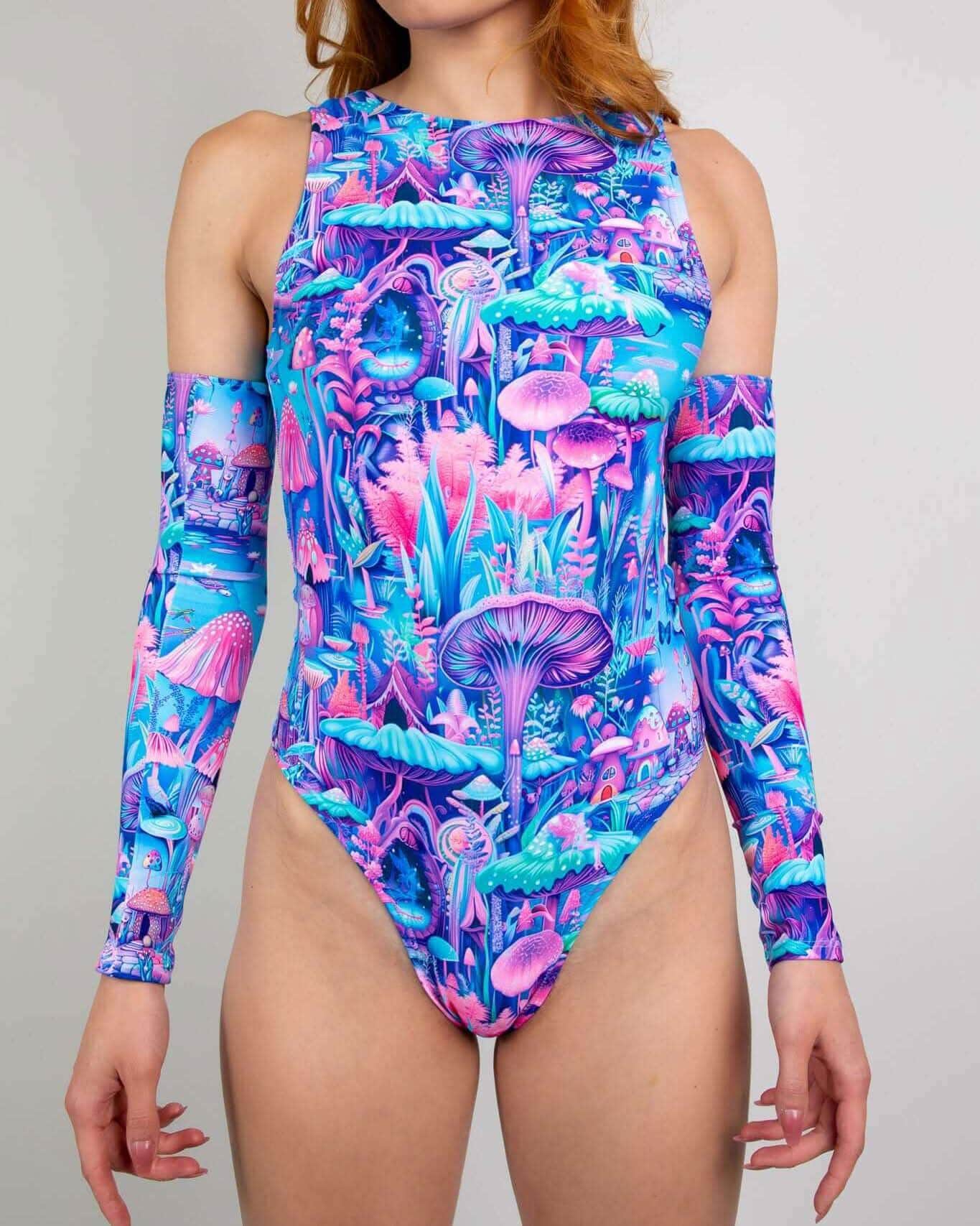
This was the era when many of the rave culture markers we recognize today became fully established. Tutus, fluffies, furry leg warmers, and body glitter became standard festival fare. Kandi culture — the practice of making and trading beaded bracelets as tokens of connection — became one of the most beloved traditions in the scene, a physical manifestation of PLUR (Peace, Love, Unity, Respect).
Festival fashion during this period also started getting more strategic. When you're dancing for twelve hours in the desert heat or navigating muddy fields at sunrise, your outfit needs to perform. Breathable fabrics, secure fits, and pieces that transition from day to night became essential. Ravers were no longer just dressing for the vibe — they were dressing for the marathon.
Body Positivity and the Democratization of Rave Fashion
One of the most powerful shifts in modern rave culture has been the move toward radical inclusivity. As body positivity movements gained momentum across the broader culture, rave fashion followed — and in many ways, led the charge.
Rave bodysuits and booty shorts became go-to pieces for ravers of all genders who wanted to celebrate their bodies on the dance floor. The unspoken rule became simple: if you feel it, wear it. No permission needed, no body type excluded.
This shift also drove demand for plus size rave outfits designed with the same level of detail, quality, and fire as straight-size pieces. The days of plus-size ravers being an afterthought are over. Everyone deserves to walk into a festival feeling like the main character — because at a rave, everyone is the main character.
Men's rave fashion has undergone its own revolution. Men's rave outfits have expanded far beyond basic tanks and board shorts. Matching sets, bold prints, mesh tops, and statement accessories have given male ravers the same creative freedom that women in the scene have long enjoyed.
2020s and Beyond: Where EDM Outfits Are Headed
Today's rave fashion landscape is the most diverse, creative, and intentional it has ever been. The current generation of ravers treats outfit planning as an art form — mood boards, custom accessories, coordinated crew looks, and head-to-toe themed ensembles are the norm, not the exception.
Print and Color Innovation
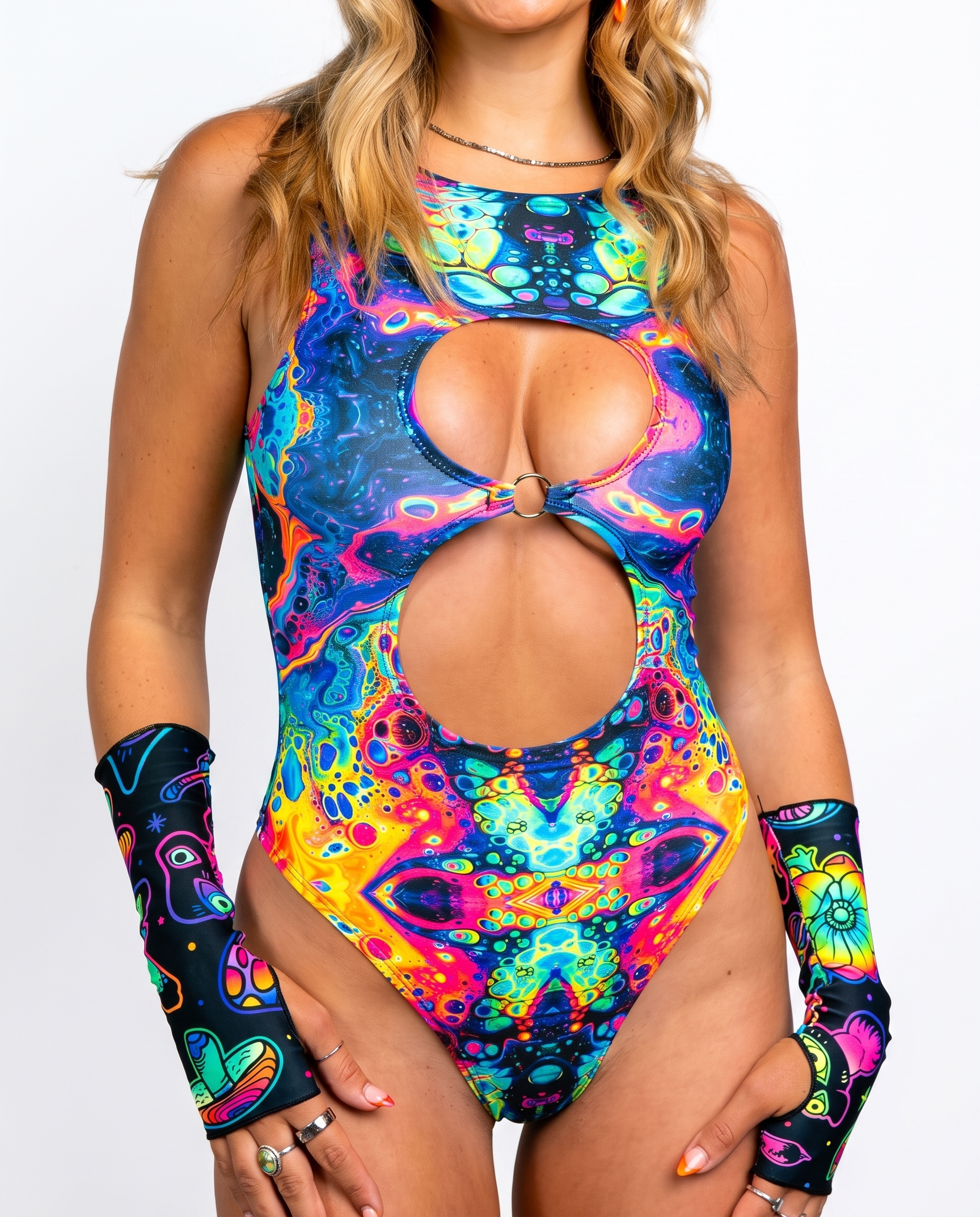
The color palette of modern EDM outfits has exploded beyond the traditional neons. Animal prints, holographic fabrics, and psychedelic patterns remain staples, but we're also seeing the rise of pastel festival looks, earthy tones inspired by desert festivals, and a full-circle return to the cyber-era neon-on-black aesthetic. The message is clear: there are no rules anymore. Wear what makes you feel alive.
Sustainability and Craftsmanship
The modern raver cares about where their clothes come from. Fast fashion pieces that fall apart after one festival are losing ground to handcrafted, quality-made rave wear built to last season after season. Recycled materials, ethical production, and lifetime warranties aren't just nice-to-haves — they're what the culture demands from brands that want to earn a place in the scene.
Couples and Crew Coordination
One of the freshest trends in 2026 is the rise of matching rave outfits for couples and festival crews. Coordinating prints and complementary pieces turn your squad into a walking art installation. It's self-expression multiplied — individual style amplified by collective energy.
The Accessories That Complete the Look
No deep dive into EDM outfit evolution would be complete without acknowledging the accessories that tie everything together. From the Kandi stacks of the mid-2000s to today's curated accessory game, the details have always mattered as much as the main pieces.
Festival pashminas and rave scarves have become essential layering pieces — functional enough to keep you warm during a cold desert night, expressive enough to double as a statement accessory under the stage lights. Rave shorts with bold, high-impact prints pair with simple tops for a balanced look that still commands attention.
The best festival outfits in 2026 feel intentional from head to toe. Every piece works together, every accessory has a purpose, and the whole ensemble tells a story about who you are when the music sets you free.
Express Yourself, Your Way
The evolution of EDM outfits is really the evolution of self-expression itself. From functional overalls in a muddy field to handcrafted holographic sets designed to catch every beam of light at a 100,000-person festival, rave fashion has always been about one thing: becoming the version of yourself that only exists when the bass is shaking your chest and the lights are painting the sky.
That's what makes this culture different. Your outfit isn't a costume — it's a declaration. And whether you've been raving since the 90s warehouse days or you're planning your very first festival, you deserve pieces that match the energy you bring to the dance floor. Explore the full range of rave outfits from Freedom Rave Wear — handcrafted in San Diego and backed by a legendary lifetime warranty.