
By Saylor Gibbs
My name is Saylor and I love live music! I am also disabled and chronically ill. I woke up six years ago with burning pain in my belly that spread throughout my entire body. Since then my body has been at war with itself and it has completely altered my life. As someone who loves to rave and attend music festivals, I am always searching for ways to have an amazing time AND keep myself and those around me as safe as possible. I work every day to raise awareness for the disabled and chronically ill and I try to teach people that you can be sick and/or handicapped and still have fun, feel beautiful, and empower others in doing so.
If you or anyone you know is looking for ways to stay safe but rage on, then you've come to the right place! I've compiled the following tips and tricks on rave and festival safety, and even if you are not disabled or chronically ill, these guidelines could help save your life and the lives of others. Whether you're heading to EDC Las Vegas, Lost Lands, or your local underground show, these safety practices apply to every festival experience.
1. Do Your Research Ahead of Time
Most events have ADA accommodations such as ADA shuttle services, ADA viewing areas, handicapped accessible bathrooms, and medical support on-site. When you purchase tickets for your next event, check to see if there is an ADA option on your ticket. If you can't find it, don't stress! Just present yourself to the staff upon arrival and ask them where you can get your ADA credentials (i.e. a wristband).

It is also recommended that you research the layout of the event so you know which entrances are handicapped accessible and where the medical tents are should you need emergency medical care. Major festivals like Electric Daisy Carnival and Coachella have comprehensive accessibility guides on their websites that detail everything from accessible camping to sensory-friendly spaces. You can contact the event coordinators or venue security to ask about handicapped accessibility at your next event.
Pro tip: Download the festival app before you arrive. Most major festivals now include accessibility information, medical tent locations, and even the ability to request assistance directly through the app. Having this information at your fingertips means you won't have to waste precious energy searching for help when you need it most.
2. Don't Be Afraid to Use Mobility Aids
I take my cane or my walker to every event I attend. Most venues will have handicapped accessible entrances/exits as well as security checkpoints that can accommodate wheelchairs and other mobility aids. Using a mobility aid also lets those around you know not to step on or bump into you, which helps prevent accident and injury.
The rave community is incredibly inclusive and supportive of those using mobility aids. In fact, many ravers decorate their wheelchairs, canes, and walkers with LED lights, reflective tape, and festival pins to make them part of their look. Think of your mobility aid as another canvas for self-expression – just like your rave outfits, it's an opportunity to show the world who you are.
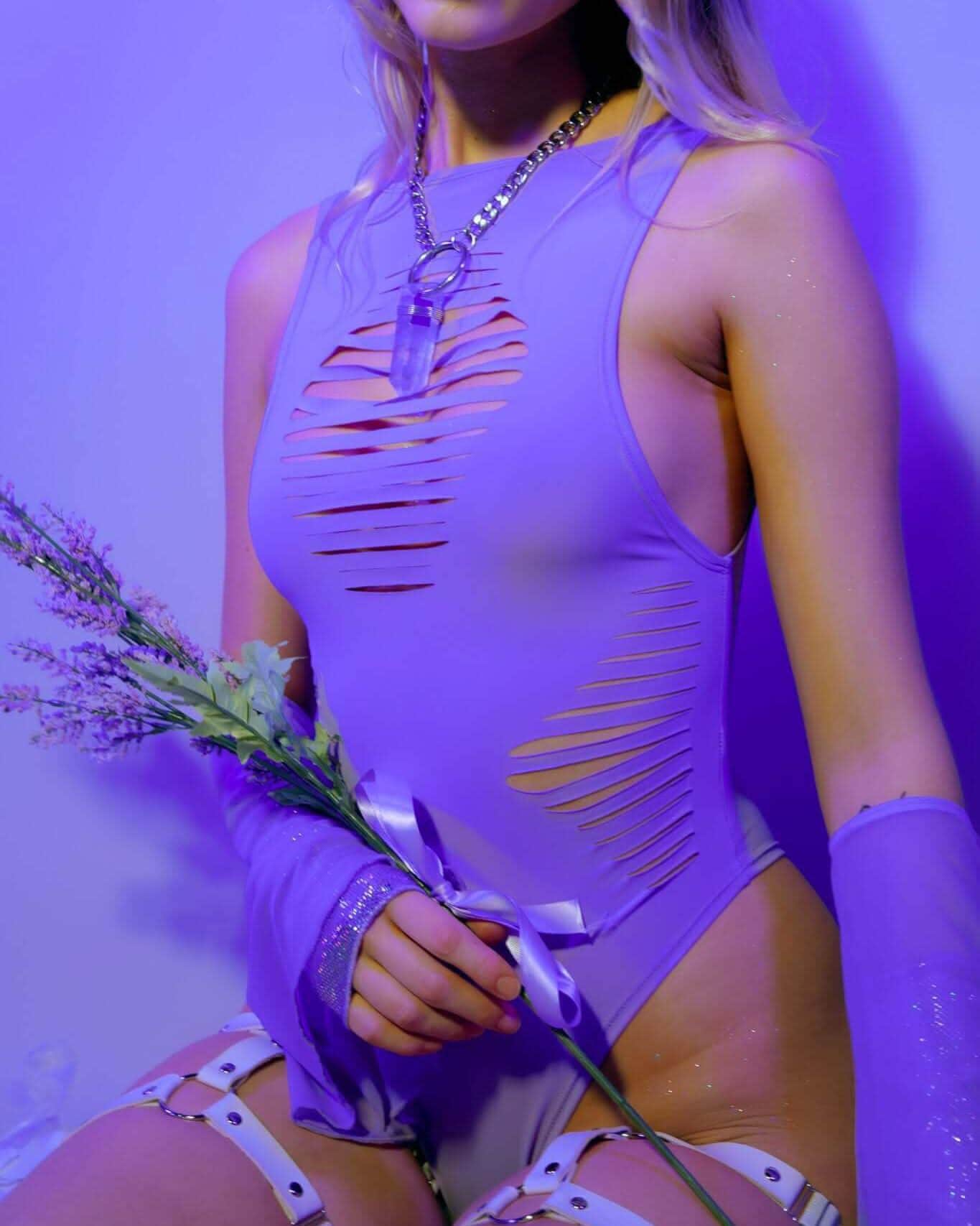
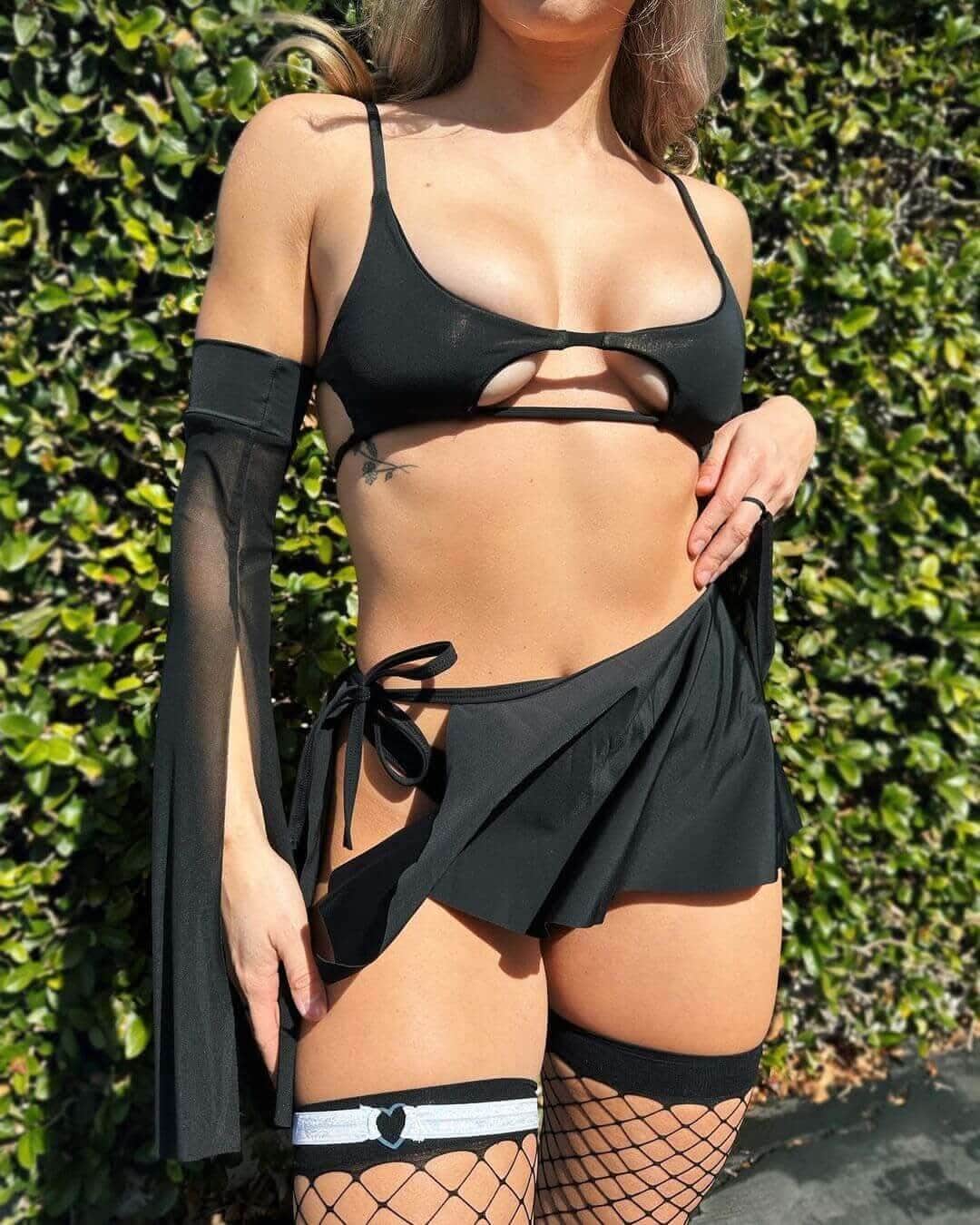
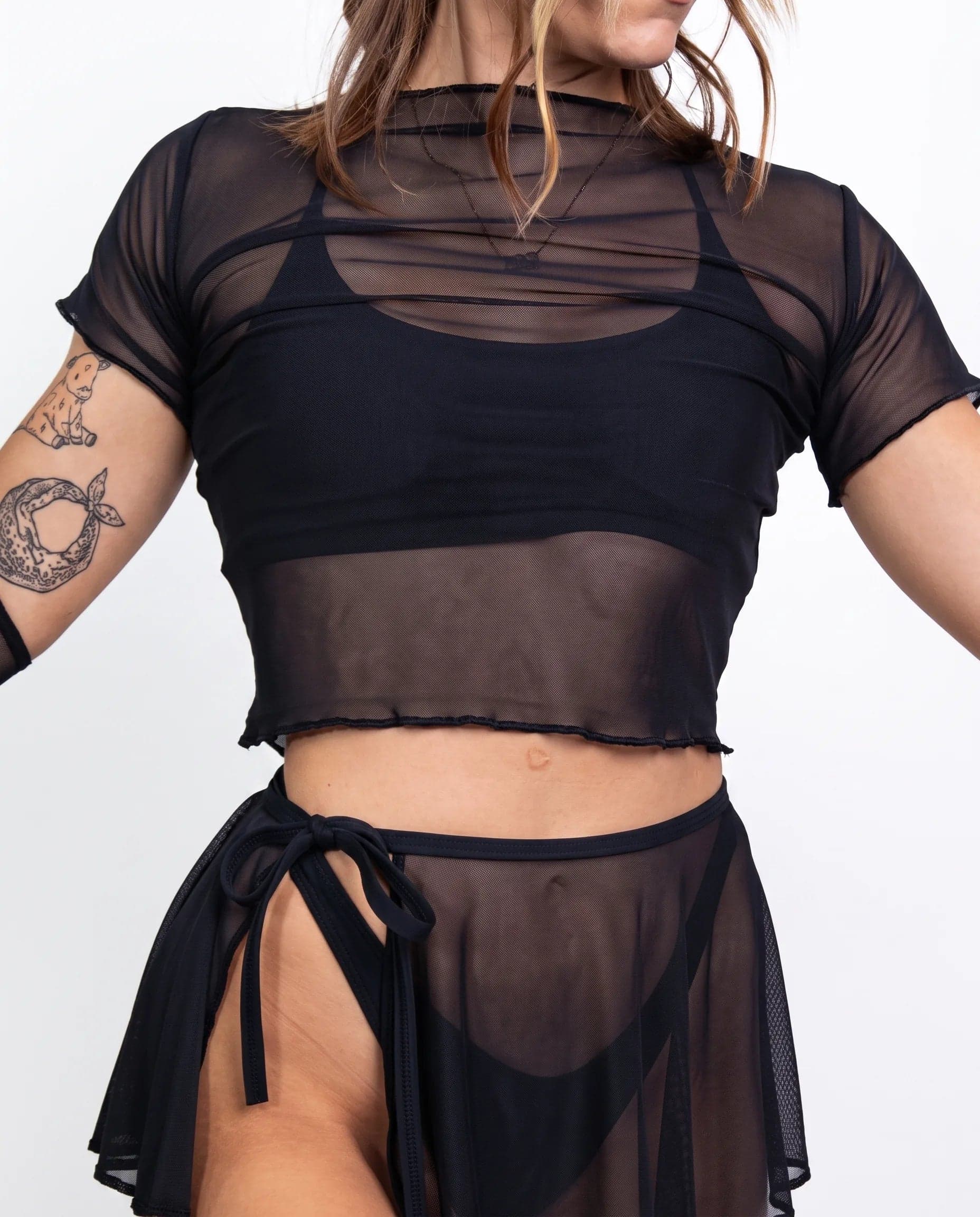
If you're worried about your mobility aid getting in the way of your style, don't be. Comfortable, breathable clothing that doesn't restrict movement is essential for everyone at festivals, but especially for those of us managing chronic conditions. Look for festival tops and rave bottoms that are easy to move in and won't catch on your equipment. Stretchy fabrics and adjustable fits are your best friends.
Start with our rave outfits, then dive into the festival outfits when you know the look you want.
3. Know Your Emergency Resources
Familiarize yourself with the venue map so that you are made aware of all the resources at your disposal. A sure-fire way to ensure you get the best care possible is to introduce yourself to the EMT team when you arrive at the event, especially if you have a complex medical history like myself.
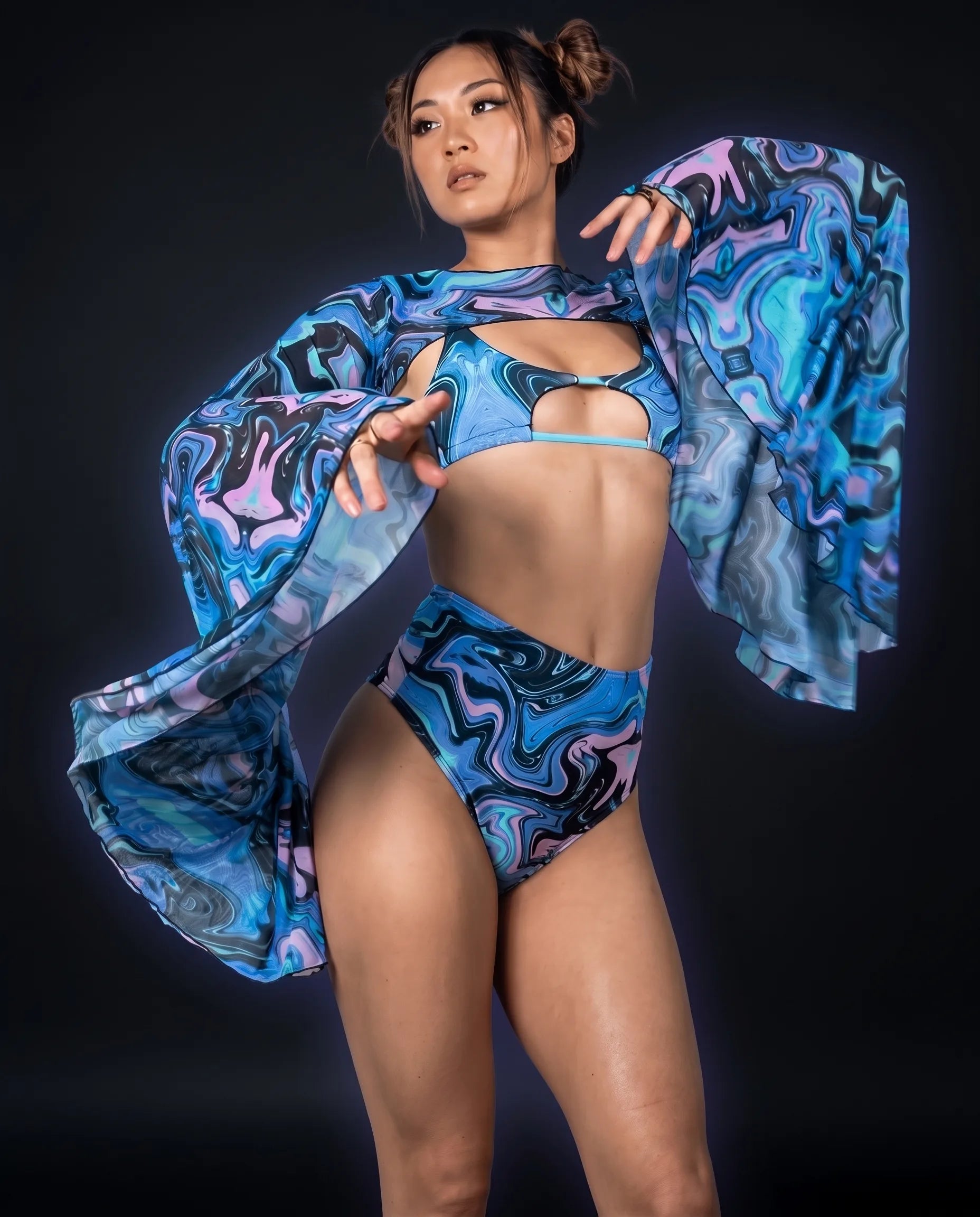
Now, I know medical ID bracelets aren't the pinnacles of festival fashion, but wearing one could save your life! If you do not have a medical ID bracelet, I recommend setting up Medical ID on your phone so that whoever is treating you gets the right information. Modern medical ID bracelets come in sleeker designs now – some even look like regular festival jewelry. Consider getting one in a metal finish that matches your other accessories, or tuck it under a stack of festival pashminas and bracelets where it's still accessible but less visible.
Take photos of the venue map on your phone, screenshot the medical tent locations, and share them with your crew. Make a mental note of at least two routes to the nearest medical facility from wherever you're dancing. In an emergency, seconds matter, and knowing exactly where to go can make all the difference.
4. Use the Buddy System
Designate one to two emergency contacts that will also be at the event. Should the unspeakable happen and you are unable to advocate for your own care, having emergency contacts on site will ensure that you are getting the best care possible. It is often very scary when our health spirals out of control and we are miles and miles away from home.
Just make sure that those you ask to be your ICE contacts are aware of their responsibilities so that you don't have to worry about them choosing fun over helping to save your life. Now, this isn't to say that fun is off the table! Safe fun should be accessible to everyone, regardless of your medical history.
Consider coordinating matching rave outfits with your buddy – it makes you easier to spot in a crowd and creates an instant visual connection for security or medical staff who might be looking for your group. Plus, it's a fun way to strengthen that bond with the people who have your back.
Set up a group chat before the festival and establish check-in times. Even if it's just a quick "still good!" text every hour, regular communication helps everyone feel secure. Establish a meeting point in case you get separated, and make sure everyone in your crew knows your medical conditions and what signs to watch for if something's wrong.
5. Bring Properly Labeled Medication
If you have a health condition that requires you to regularly take medication, make sure you bring the medicines you need in properly labeled receptacles, otherwise, you run the risk of your medication being taken away. Plus, having properly labeled meds give medical staff the information they need should they have to treat you.
I also recommend bringing a comprehensive list of the medications you are taking to streamline emergency care. Certain medications carry certain risks, especially if combined with other drugs, both legal and illegal. Keep this list on your phone AND on a physical card in your wallet or attached to your medical ID bracelet.
Pack extra medication – more than you think you'll need. Festival environments can be unpredictable, and you might end up staying longer than planned or face delays getting home. Store your medications in a small, waterproof bag to protect them from the elements. Many festivals allow small medical bags or fanny packs in addition to your regular bag allowance, so take advantage of this accommodation.
6. Know Your Drug Interactions
I'm not here to tell you what to do or to kill your fun times, but I urge you to do your research on drug interactions before you ingest anything. Never take drugs from people you don't know, don't let your drink out of your sight, and say NO to anything that feels shady or anything/anyone who makes you uncomfortable.
As with any medication or drug, there are always, always risks. Knowing these risks and being safe about what you choose to ingest could save your life. Drinking water and staying hydrated is important, of course, but it could also put you in danger depending on what's in your system. For example, excessive water consumption in MDMA and methamphetamine users has been linked to leakage of the blood-brain barrier due to increased water retention. Cocaine changes your brain chemistry so that your body will want to forgo food and water in favor of ingesting more of the drug. Not only does this leave your body depleted, but it also puts you at risk for more serious complications.
If you take prescription medications regularly, talk to your doctor or pharmacist about potential interactions BEFORE the festival. Be honest about the festival environment and what you might be exposed to. They're not there to judge – they're there to keep you safe. Some prescription medications can have dangerous interactions with alcohol, caffeine, or common supplements, and you need to know what those are.
Most importantly, if you or someone you know may have been dosed with any kind of drug, go to the medical tent on-site immediately. Festival medical staff have seen it all and are trained to help without judgment. The rave community thrives on looking out for each other – don't hesitate to ask for help or offer it to someone who needs it.
7. Last, But Not Least: PREPARE, PREPARE, PREPARE!
Eat right, stay hydrated, wear comfortable clothes that don't restrict your movement, and track your sleep before the event. Choose rave clothing that's made from breathable fabrics and won't cause chafing or overheating. Your outfit should make you feel amazing without compromising your comfort or safety.
For the disabled and chronically ill, preparing for the event is almost more important than actually being able to attend. Depending on the severity of illness/disability, it can take weeks or even months to adequately prepare your mind and body for the kinds of stress that are involved with attending raves and festivals. Up to four weeks before the event, I shift my diet and exercise as well as my sleep schedule. The more I do to ensure my body has the proper nutrients and proper rest, the more I can feel good and enjoy my event!
Pre-Festival Preparation Checklist
- Start increasing your water intake 2-3 weeks before the festival
- Gradually adjust your sleep schedule to match festival hours
- Build up your stamina with short walks or gentle movement
- Practice wearing your festival outfit at home to identify any comfort issues
- Stock up on any medical supplies, compression garments, or comfort items you might need
- Create a festival survival kit with medications, snacks, electrolyte packets, and any assistive devices
- Communicate with your doctor about your plans and get their input on precautions
Day-Of Essentials
On festival day, pace yourself from the moment you wake up. Eat a substantial, balanced breakfast even if you're too excited to be hungry. Pack more snacks than you think you'll need – protein bars, trail mix, and fruit pouches are all festival-friendly options that will keep your energy stable.
Wear sunscreen (yes, even at night festivals – you'll be outside during setup). Bring a portable phone charger so you can always call for help or check in with your crew. Consider bringing a small camping chair or inflatable seat cushion if standing or sitting on the ground is difficult for you. Many festivals allow these in ADA sections.
Most importantly, give yourself permission to take breaks. The music will still be there after you've rested for 20 minutes in the chill zone. You don't have to see every single set to have an incredible experience. Listen to your body, honor your limits, and remember that making it through the whole festival safely is more important than pushing yourself to the point of collapse.
You Belong Here
Being disabled or chronically ill doesn't mean you have to miss out on the magic of festival culture. The bass still hits the same, the lights are just as mesmerizing, and the connections you make are just as real. You are not a burden on your friends, you are not "less than" because you need accommodations, and you absolutely deserve to experience the joy and freedom that comes from dancing under the stars with thousands of people who accept you exactly as you are.
The festival community is built on principles of peace, love, unity, and respect – and that includes respecting your own body's needs. When you show up authentically, mobility aid and all, you're not just taking care of yourself. You're showing other disabled and chronically ill ravers that they belong here too. You're expanding what it means to be part of the scene. You're proving that accessibility and epic experiences aren't mutually exclusive.
So do your research, pack your meds, coordinate with your crew, and get ready to create some unforgettable memories. The festival grounds are calling, and they're ready for you – exactly as you are. See you under the electric sky.