
The history of raves stretches back over four decades, from secretive underground dance parties in European warehouses to the massive, world-renowned music festivals that define modern rave culture today. Whether you're a seasoned veteran or someone just discovering the scene, understanding where raves came from helps you appreciate the depth of the community you're stepping into. This is more than music. This is a movement built on freedom, self-expression, and connection.
What Is a Rave?
At its core, a rave is a large-scale dance party centered around electronic music. DJs and live electronic artists perform extended sets while crowds move together under strobing lights, lasers, and immersive visual productions. The music spans a massive range of genres: electronic dance music (EDM), house, techno, trance, drum and bass, dubstep, and everything that falls between the cracks.
But a rave is more than a concert. It's an experience that engages every sense. Feel the bass vibrating through your chest. Watch the lights fracture across a sea of moving bodies. Smell the fog machines and night air mixing together. Raves create a space where thousands of strangers become a single organism on the dance floor, united by rhythm and release.
Most modern music festivals offer a diverse lineup that caters to every taste, from melodic house to hard-hitting bass music. Events range from intimate warehouse gatherings of a few hundred people to festivals that draw hundreds of thousands across multiple stages and multiple days. What stays constant across all of them is the energy: electric, uninhibited, and deeply communal.
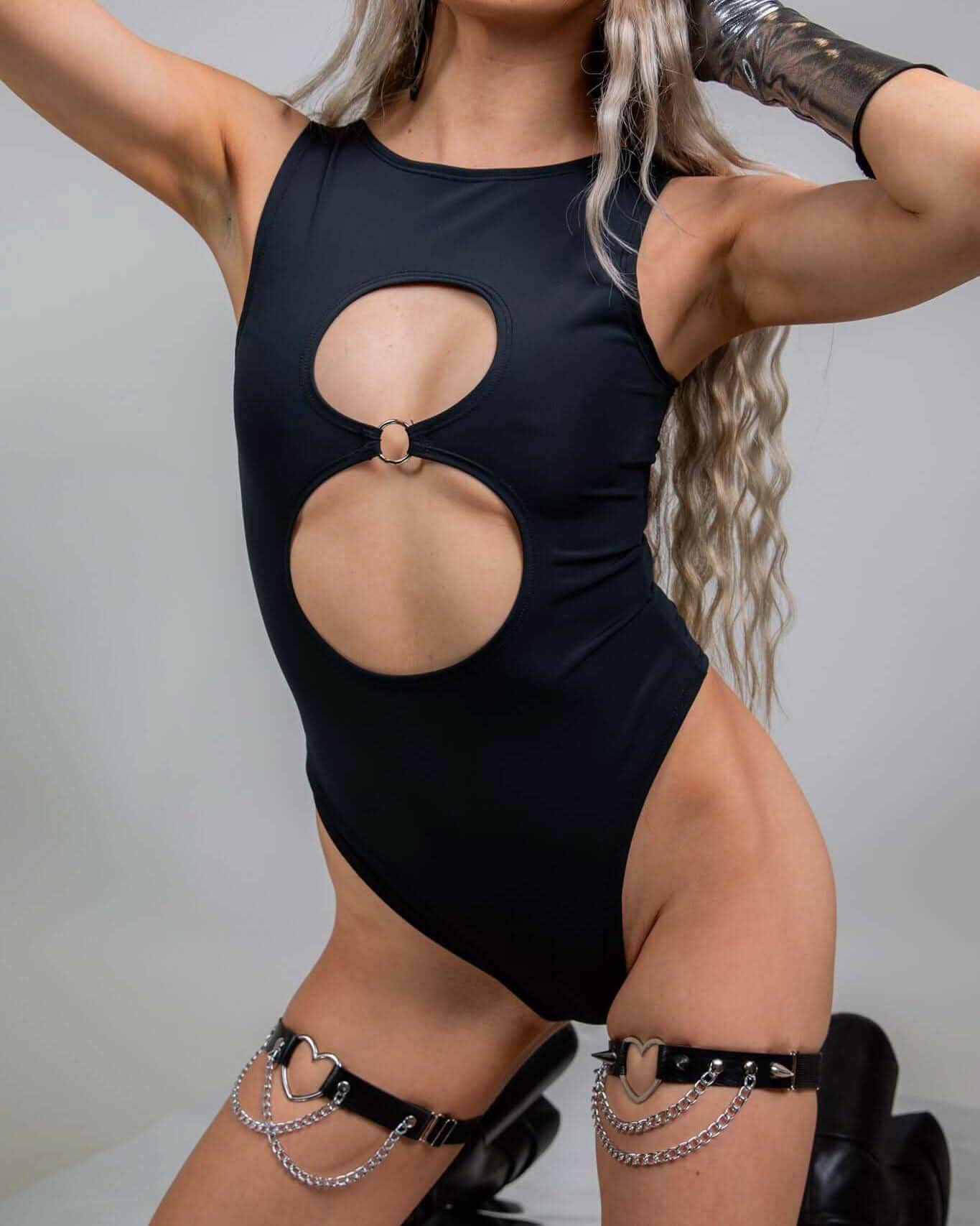
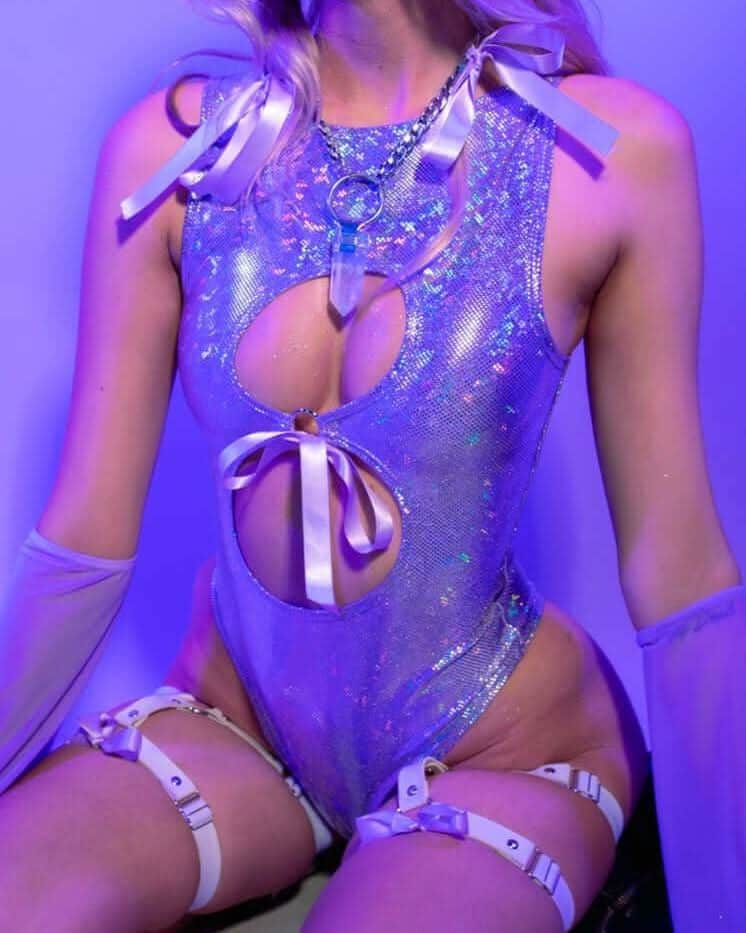
And then there's the fashion. People come to raves dressed in bold, expressive EDM outfits that are loud, bright, creative, and unapologetically sexy. Think of Coachella and how every year the festival's outfit culture dominates social media feeds worldwide. Rave fashion has become inseparable from the culture itself. We'd argue that music festivals are now just as much about what you wear as they are about what you hear.
The Origins: How Raves Started
Raves emerged in the late 1980s at the intersection of two revolutionary music movements: European techno, born in the industrial clubs of Berlin and Detroit, and American house music, which erupted out of Chicago's underground club scene. Lovers of these genres began organizing massive, unofficial dance parties that operated entirely outside the mainstream entertainment industry.
The early rave movement was an underground phenomenon that originated in Europe. Organizers kept locations secret until the last possible moment, sometimes communicating through phone trees and word-of-mouth to limit exposure to both the general public and law enforcement. Events were frequently held in gay clubs, abandoned warehouses, open fields, and repurposed industrial spaces, locations chosen specifically because they existed outside the reach of mainstream oversight.
Despite the secrecy, the movement spread like wildfire. By the early 1990s, raves had migrated across the Atlantic and taken root in American cities, particularly San Francisco, Los Angeles, and New York. What started as gatherings of a few dozen people in basements transformed into events drawing thousands, with increasingly sophisticated sound systems and light shows.
In those early days, the scene was closely associated with MDMA, drinking, and a hedonistic spirit of liberation. Fast forward to 2026, and the narrative has evolved dramatically. Today's rave culture is better known for jaw-dropping light shows, cutting-edge EDM production, and a thriving rave fashion industry. The culture has continued to grow exponentially, which is why we see more music festivals, EDM concerts, and electronic events launching every single year. Raves are now among the highest-grossing forms of live entertainment on the planet.
Browse our rave outfits collection for pieces handcrafted in San Diego, and check the best sellers page for the energy this guide is about.
The History of Rave Fashion
Rave fashion didn't emerge from a designer's sketchbook. It was born on dance floors out of pure necessity. One of the most important functions of rave attire has always been to keep the raver comfortable enough to dance for hours without stopping. Underground clubs were hot, packed, and poorly ventilated. Wearing less wasn't a fashion statement at first; it was survival.

This is why you see EDM outfits that show more skin and lean into the sexy, expressive side of fashion. Rave tops like crop tops and bralettes, paired with rave shorts and high-waisted bottoms, became staples because they let dancers move freely and stay cool. Layering became an art form, allowing ravers to peel off pieces as the temperature rose inside the venue.
From Function to Art
As the scene grew, so did the creativity. Some of the more inventive outfit designs and accessories actually originated from ravers finding clever ways to conceal substances within their attire to avoid detection by law enforcement. Over time, that resourcefulness evolved into something entirely different: pure artistic expression.
Ravers began pinning blinking LED lights, bright stars, jewels, reflective materials, and anything visually stimulating to their outfits. The original motivation was to enhance the sensory experience on the dance floor, but those embellishments soon became a defining aesthetic of the culture. Today, pieces like rave bodysuits and festival pashminas carry that legacy forward, designed with holographic fabrics, UV-reactive prints, and materials that come alive under blacklights.
Rave Fashion in 2026
While the party culture still exists in some corners of the scene, the vast majority of modern ravers come for the music, the community, and the fashion. The rave fashion industry has exploded, with creators around the world sharing their EDM outfit ideas across social media platforms. It's become a form of identity, not just something you throw on before heading out.
This is exactly why Freedom Rave Wear exists. The FRW founders fell in love with the people, the culture, and the fashion of the rave scene and turned that passion into a brand. Every piece is handcrafted in San Diego, backed by a lifetime warranty, and made with materials that include recycled fabrics, because looking after the planet matters just as much as looking incredible under the lasers.
Music Festivals and Rave Fashion Go Hand in Hand
Raves and music festivals are now a global phenomenon. Coachella draws hundreds of thousands to the California desert each year. Ultra Music Festival transforms Miami into the epicenter of electronic music every spring. Electric Daisy Carnival (EDC) in Las Vegas is a neon-drenched playground that runs until sunrise. Imagine Music Festival in Atlanta, Lost Lands in Ohio, Tomorrowland in Belgium: the list is genuinely endless, and it grows every year.
Each festival has its own personality, and the outfits people wear reflect that. EDC outfits tend to lean into neon, LED accessories, and maximum glow. Coachella outfits blend bohemian influences with rave-inspired edge. But across every event, the common thread is individuality. If you're someone who refuses to blend into the crowd, this is your playground.
Why Rave Fashion Is About More Than Clothes
The EDM outfit a person chooses to wear is deeply personal. It's not about following trends or copying someone else's look. It's about stepping into the version of yourself that feels the most free, the most alive, the most authentically you. Picture yourself walking into a festival, catching the light on your outfit, feeling the confidence that comes from knowing you look exactly the way you feel inside.
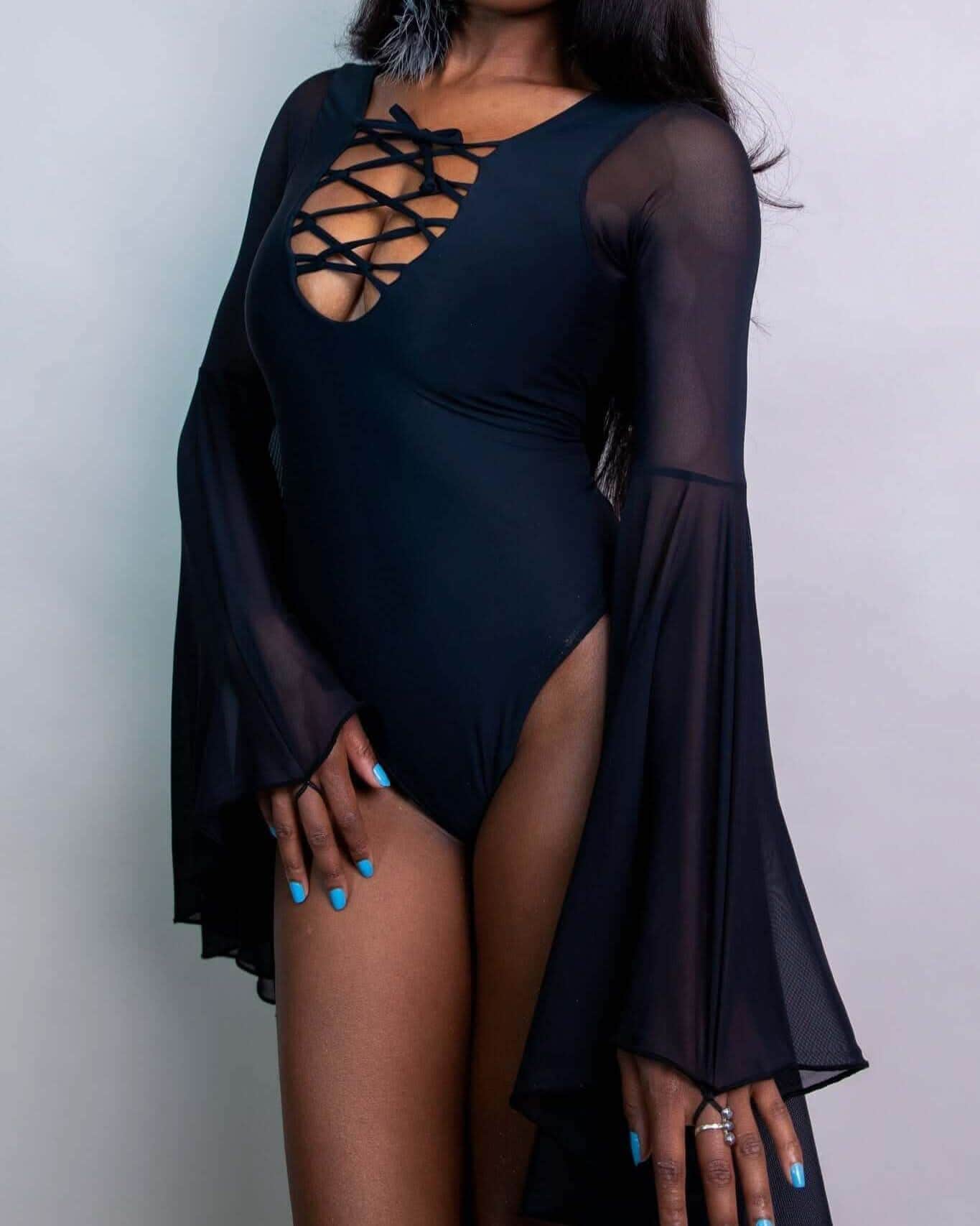
This is one of the reasons the rave community is so magnetic. It's a space where a first-timer in a bold plus size rave outfit gets the same energy and compliments as someone who's been in the scene for a decade. Where couples show up in matching rave outfits and strangers bond over their shared love for a print or a silhouette. Where men's rave outfits are just as expressive and celebrated as anyone else's. It's a community of individuals coming together over a shared love for music, dance, and unapologetic self-expression.
That's the real history of raves. Not just a timeline of dates and events, but a story about a community that's always been about freedom. Freedom to move, freedom to express, freedom to be whoever you want to be when the music starts.
Find Your Festival Look
If the history of this culture speaks to you, then you're already part of it. All that's left is to look the part. Explore Freedom Rave Wear's latest rave clothing to find the pieces that make you feel unstoppable, whether you're heading to EDC, Coachella, Ultra, or your very first local show. Every piece is handcrafted in San Diego, festival-tested by the rave fam, and designed to move with you from the first beat to the last.