How to Get Into EDM: A Beginner's Guide to Electronic Music

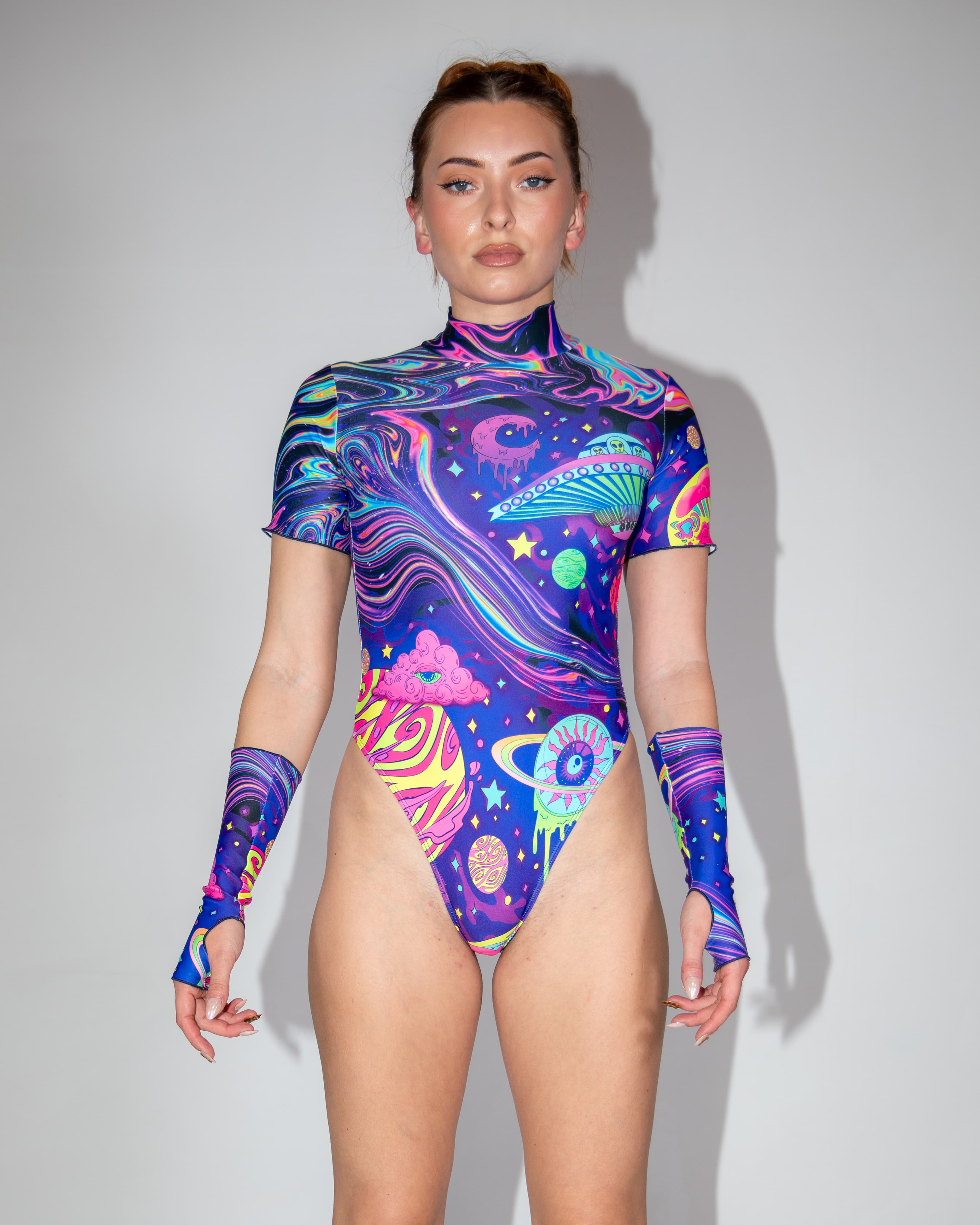
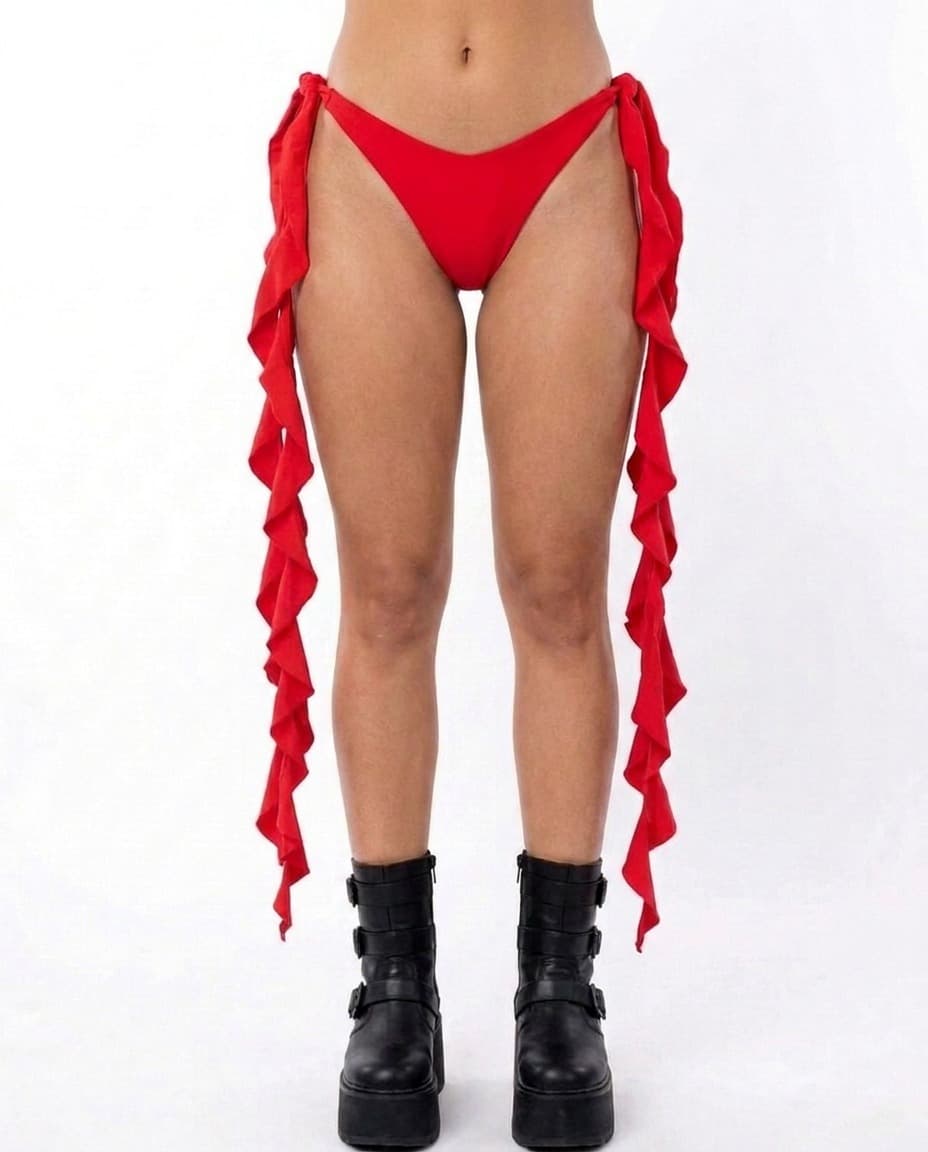
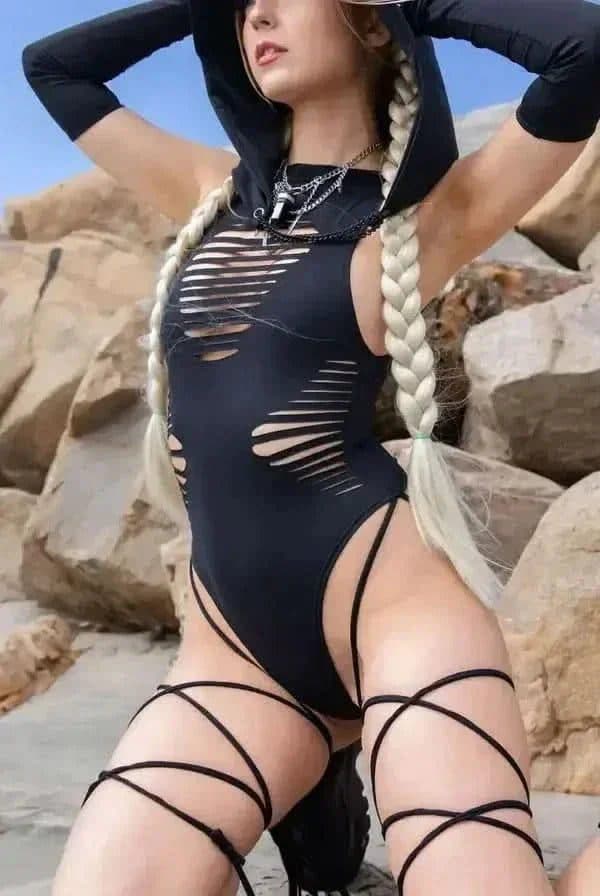
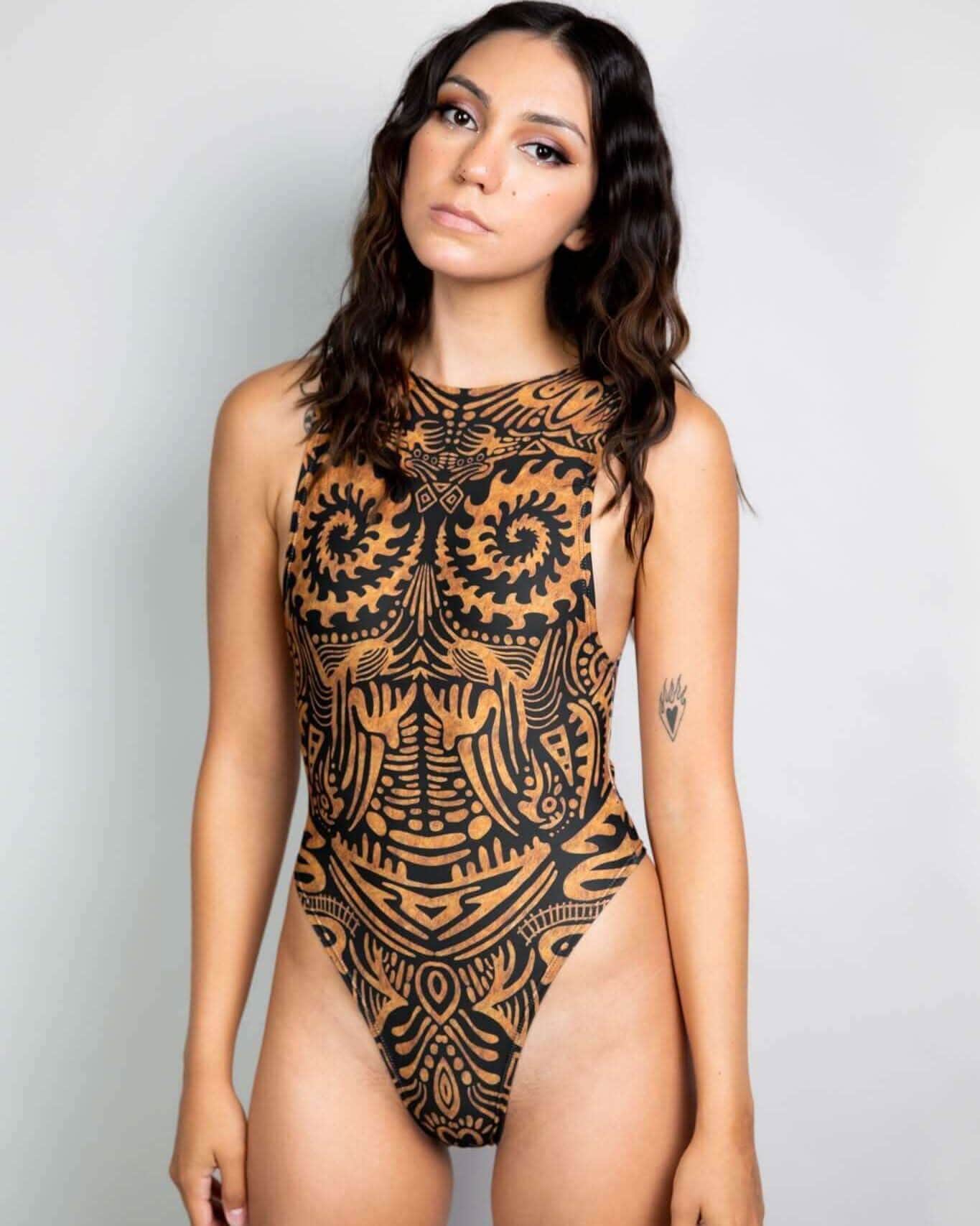
Lavender Slit Sideboob Bodysuit — How to Get Into EDM: A Beginner's Guide to Electronic Music — Freedom Rave Wear

So You Want to Get Into EDM

Electronic dance music is one of the most diverse, accessible, and community-driven music scenes on the planet. But from the outside, it can look intimidating. The genre names are confusing. The festivals seem overwhelming. The fashion is bold. And the culture has its own language, traditions, and unwritten rules that nobody explains to newcomers.

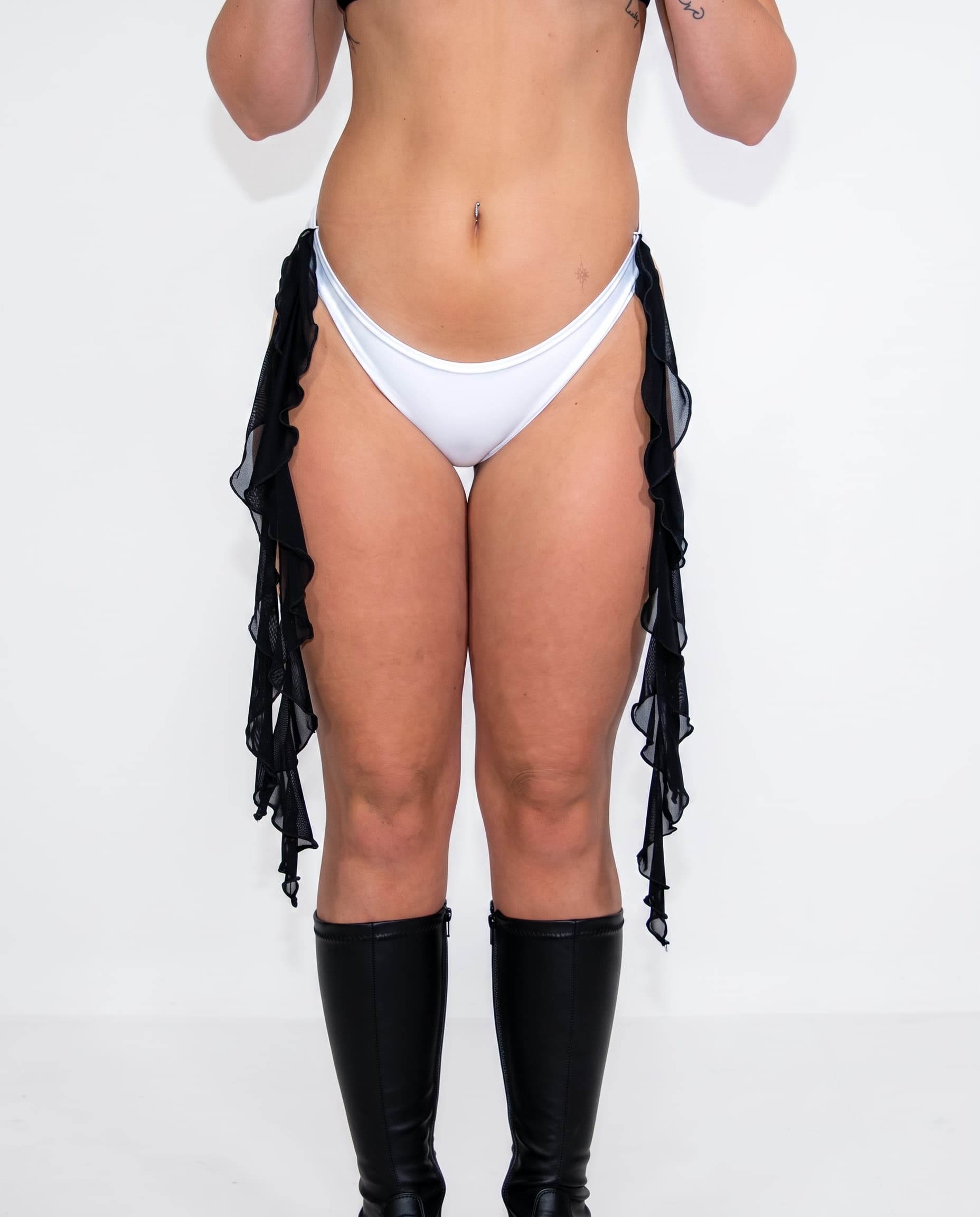
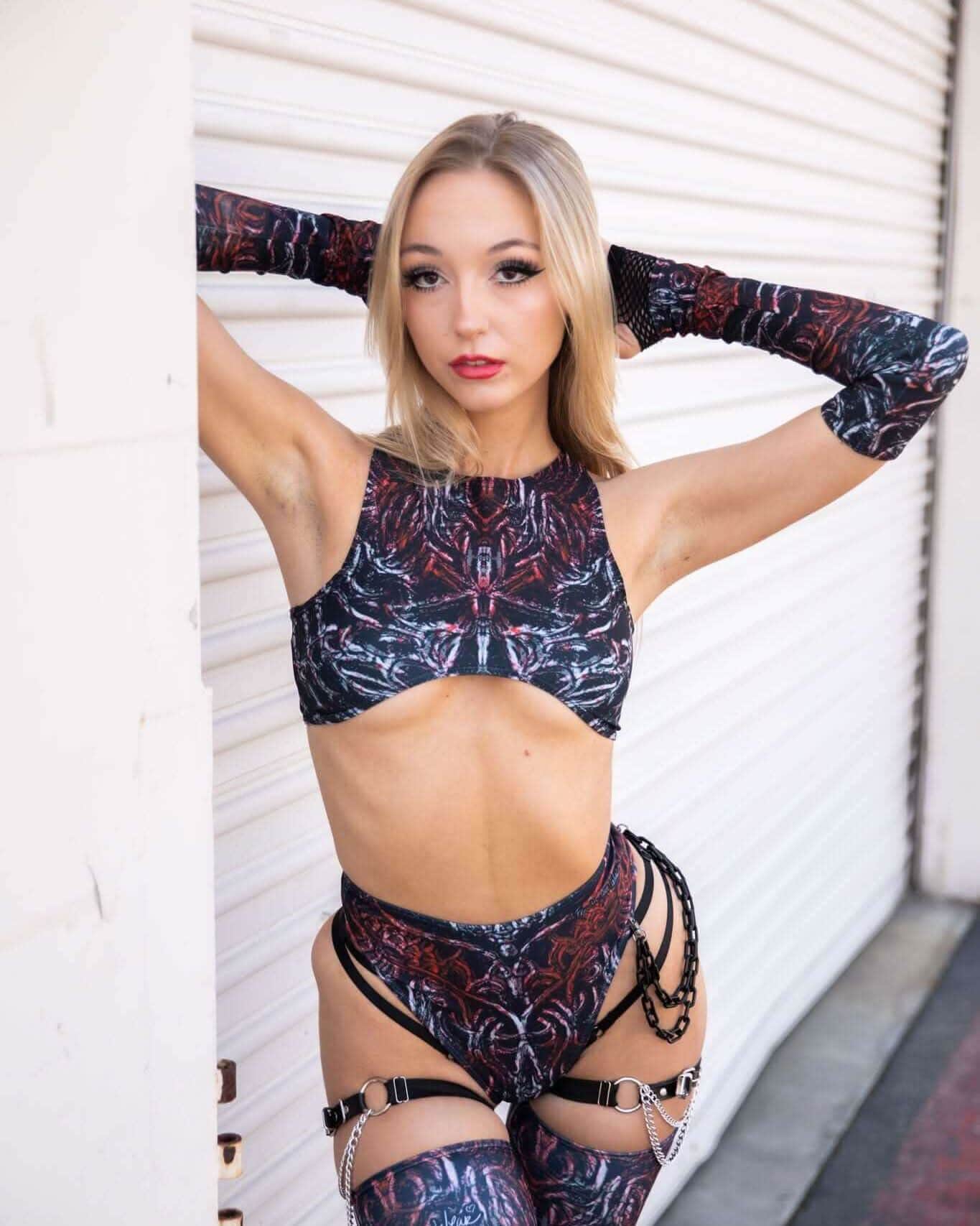
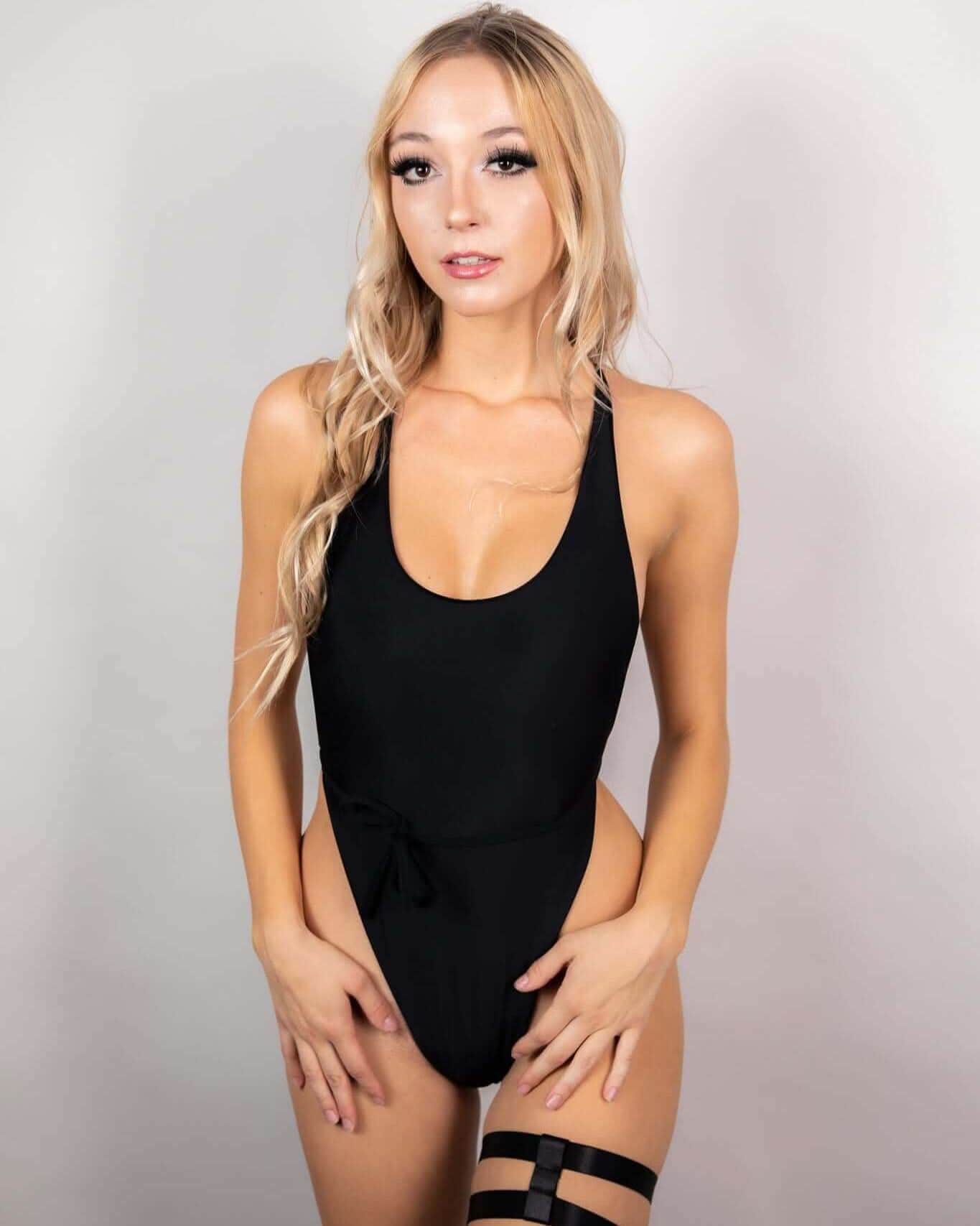
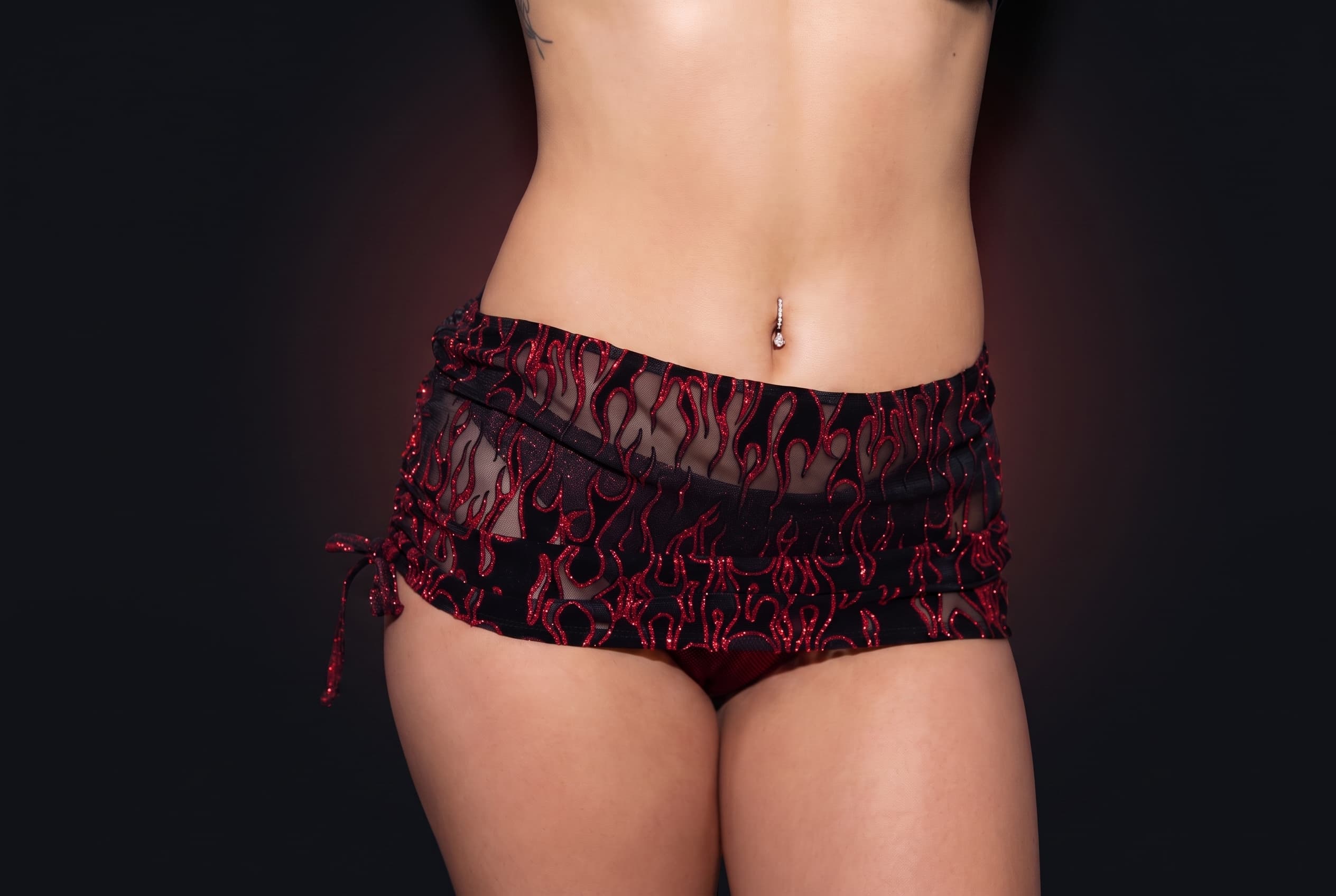
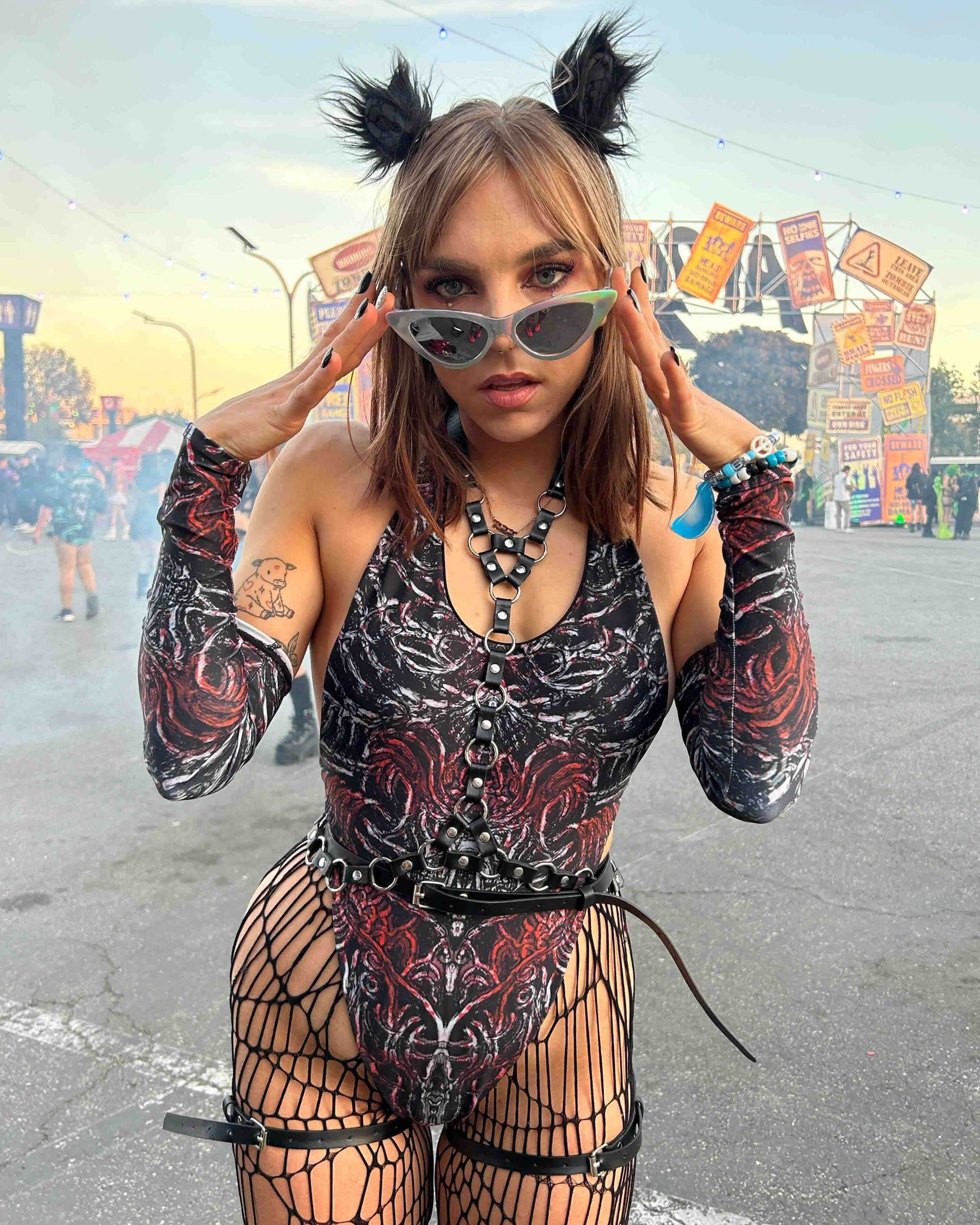
Matte Black Slit Sideboob Bodysuit with Leg Straps — Freedom Rave Wear
Shop the Matte Black Slit Sideboob Bodysuit with Leg Straps

This guide fixes that. Whether you stumbled into a remix you loved, your friend keeps talking about EDC, or you're just curious what the hype is about, here's everything you need to know about getting into electronic music in 2026.

Understanding EDM Genres: A Quick Map

What most people call "EDM" is actually an umbrella covering dozens of distinct genres. Each has its own sound, its own community, and its own energy. Here's a starter map:

House: Smooth, groovy, and built for long dances. The four-on-the-floor beat is steady and warm. House is the most accessible entry point for most people — it's the genre that makes you nod before you even realize you're moving. Subgenres include deep house, tech house, progressive house, and tropical house.

Techno: Darker, more hypnotic, and industrial. Techno is the original underground rave sound — repetitive, driving, and designed to put you in a trance state. If you like music that builds tension and releases it over long sets, techno is your genre.

Trance: Euphoric, melodic, and emotional. Trance fans describe the music as a spiritual experience. The melodies soar, the builds are dramatic, and the drops are cathartic. Dreamstate events showcase the best of this genre.

Dubstep and Bass Music: Heavy, aggressive, and physical. If you want to feel the music in your chest, bass events at Lost Lands and Bass Canyon are unmatched. The drops are massive and the energy is intense.

Drum and Bass: Fast, intricate, and high-energy. DnB runs at 160-180 BPM — significantly faster than most electronic music. The community is smaller but fiercely dedicated.

Melodic Bass: The bridge between aggressive bass music and emotional melodies. This genre has brought entirely new audiences to electronic music by combining the energy of dubstep with the emotional depth of trance.

Don't worry about knowing all the genres. Most people discover their preferences by hearing music live, not by studying a taxonomy. Go to events, explore different stages, and let your ears tell you what moves you.

Finding Your First Events

You don't need to start with a massive festival. In fact, smaller events are often better for newcomers:

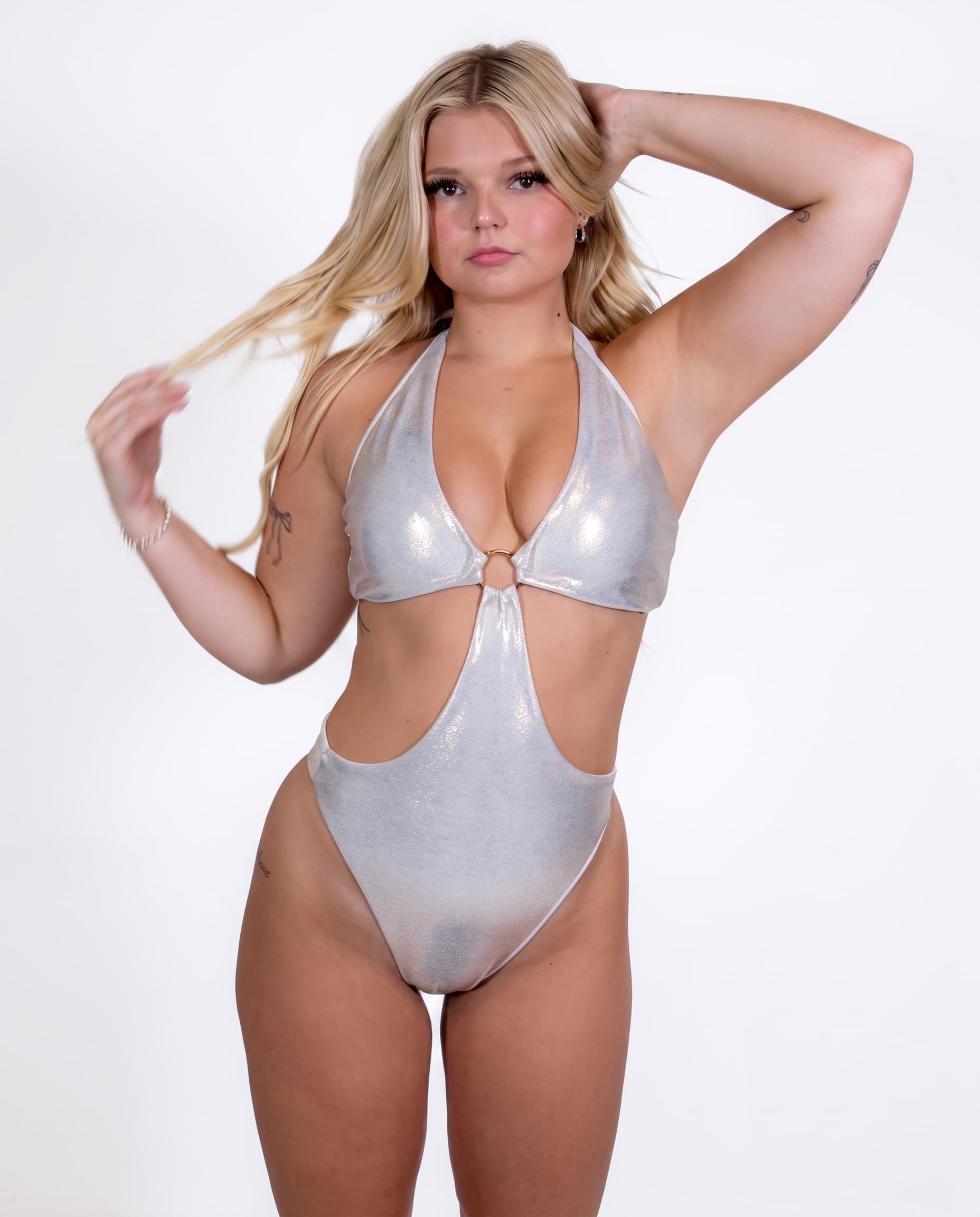
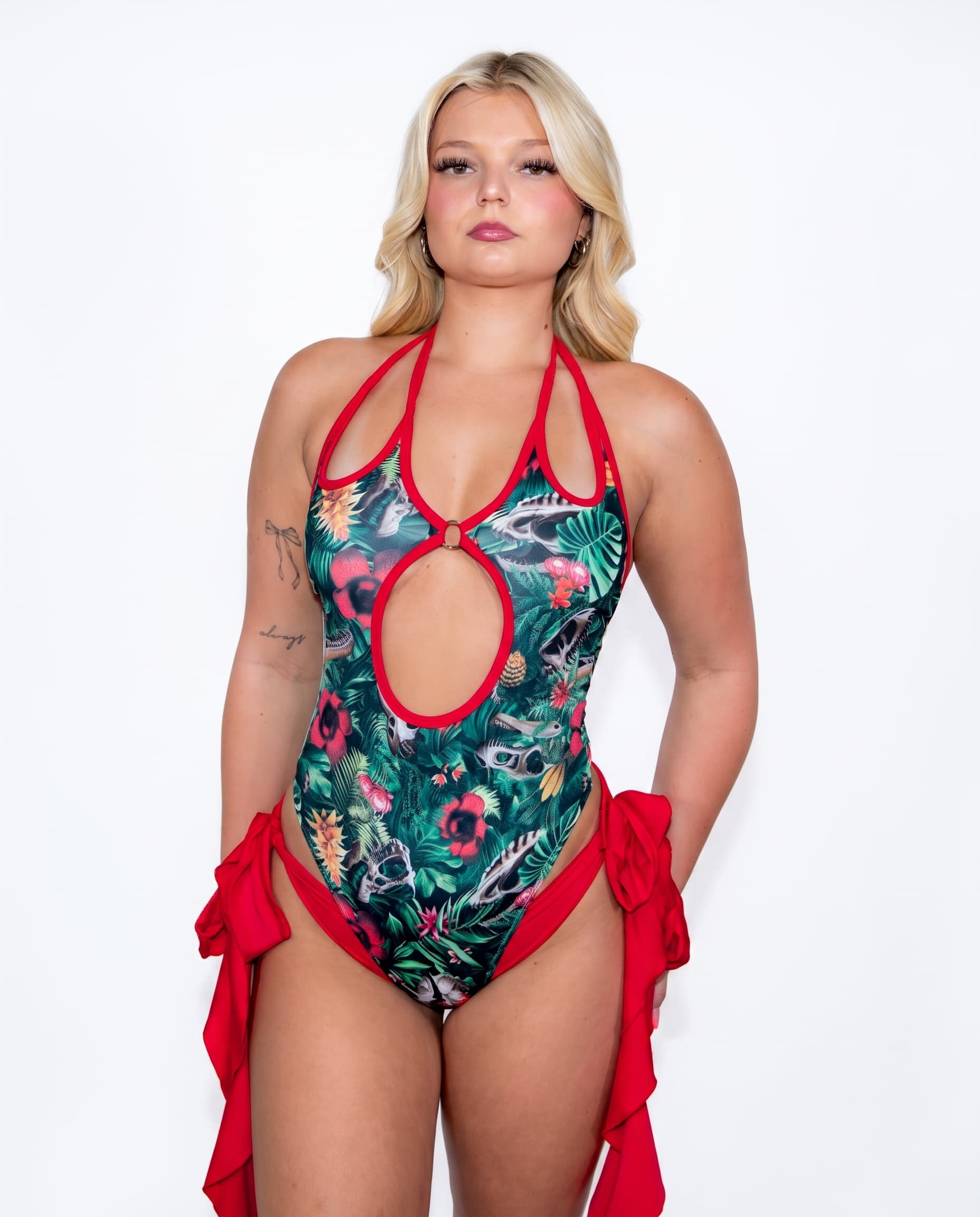
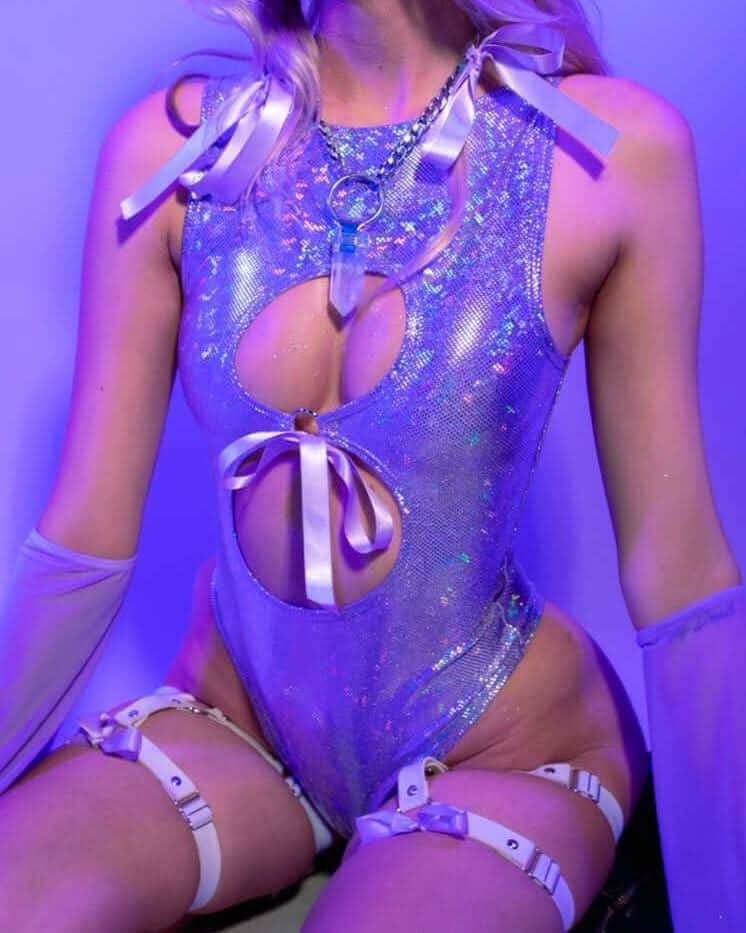
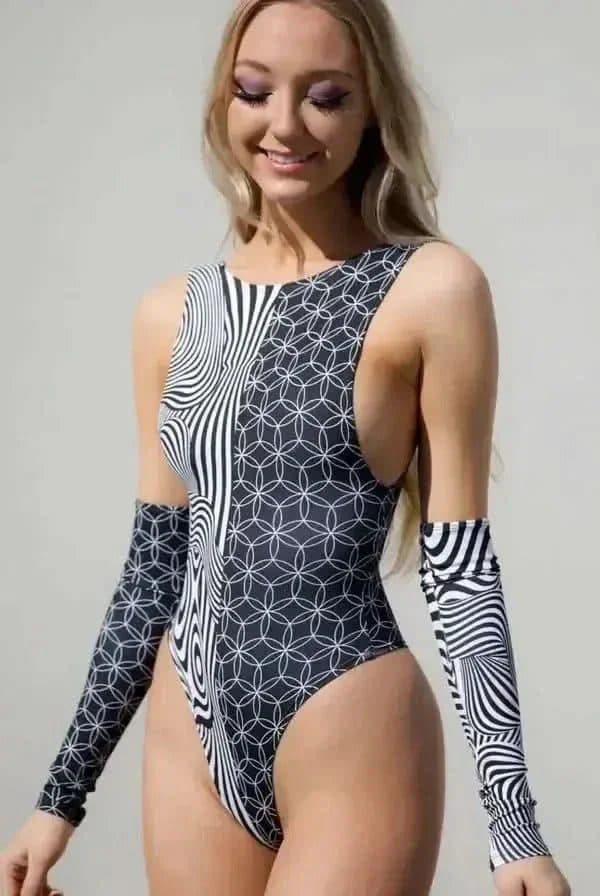
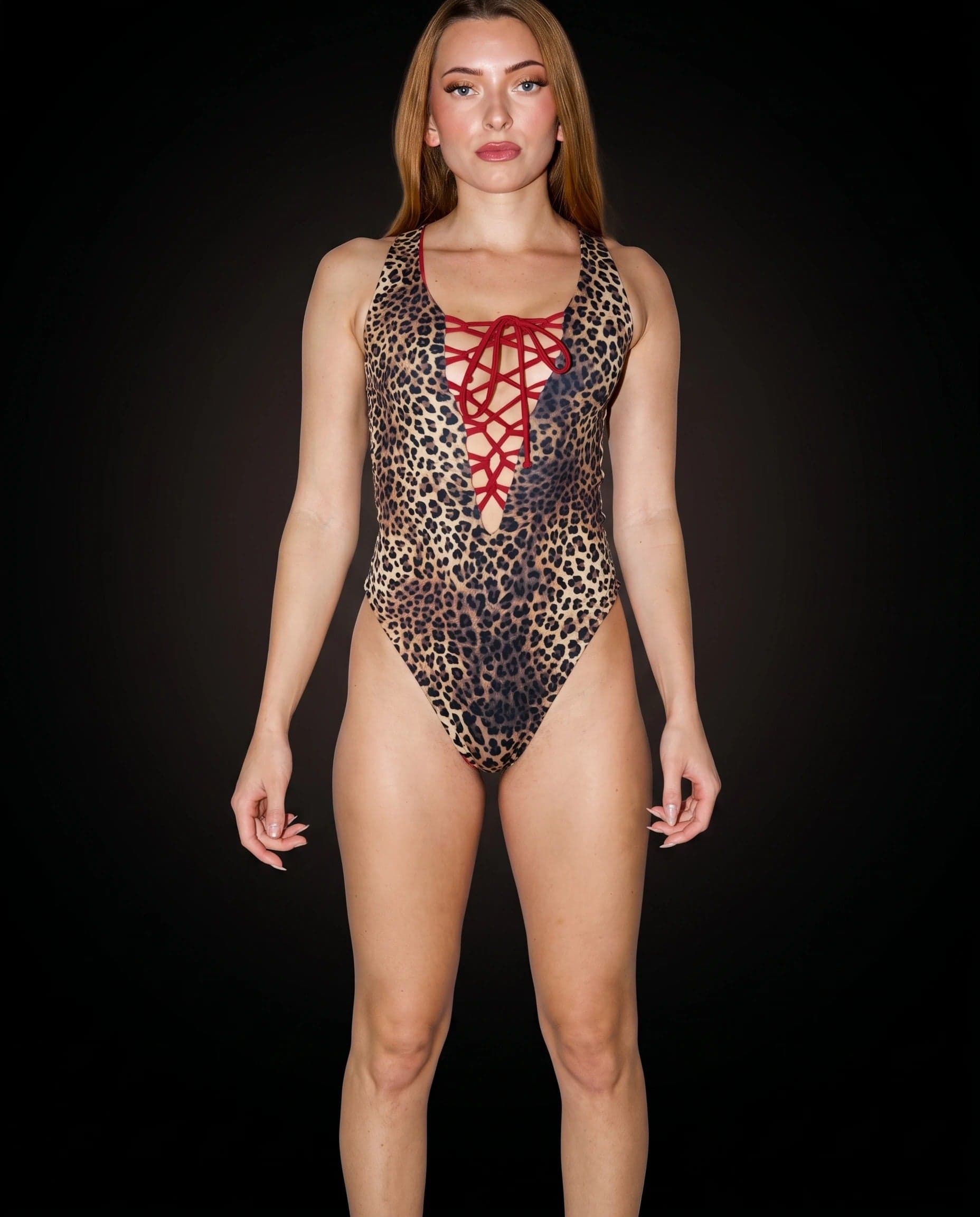
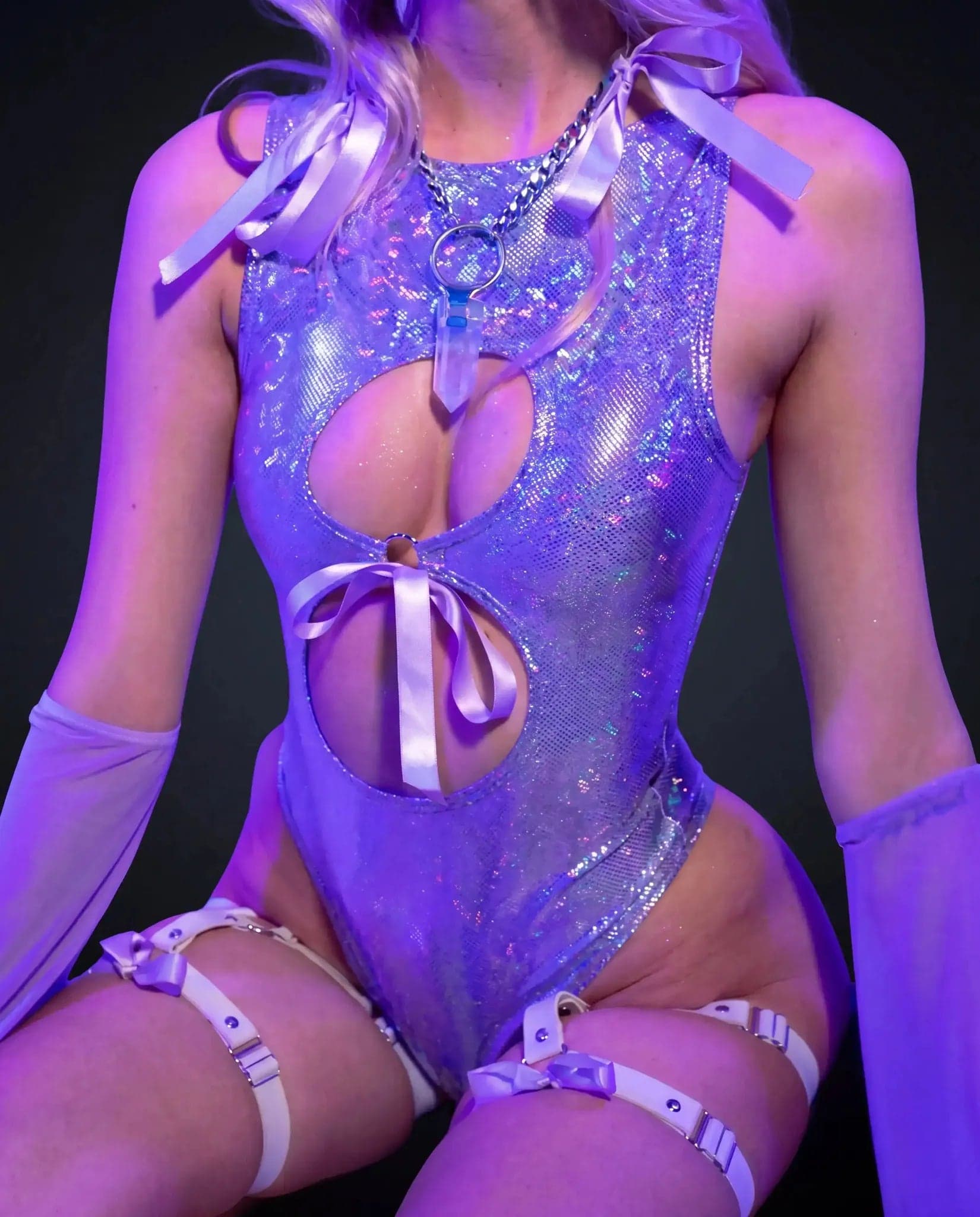
Lavender Holo Keyhole Bodysuit — Freedom Rave Wear
Shop the Lavender Holo Keyhole Bodysuit

Local shows and club nights: Every major city has venues that host regular electronic music nights. These are smaller, cheaper, and lower-pressure than festivals. You can show up alone, leave whenever you want, and experience the music without the commitment of a multi-day event. Check local venue calendars, Resident Advisor, or Eventbrite for electronic music events near you.

Day parties and brunches: Many cities have daytime electronic music events — rooftop parties, brunch raves, outdoor day parties. These are incredibly beginner-friendly because they're in daylight, they're shorter, and the crowd is generally more relaxed.

Festivals (when you're ready): Once you've been to a few local shows and know what genres you like, a festival is the next level. Start with a one-day festival before committing to a multi-day camping event. Events like HARD Summer, Beyond Wonderland, or local one-day events are perfect stepping stones.

The big ones: EDC Las Vegas, Electric Forest, Tomorrowland, and Ultra Miami are bucket-list festivals that deliver experiences nothing else can match. When you're ready, they'll change your life. But there's no rush — they happen every year.

Understanding Rave Culture: PLUR and Beyond

The rave community operates on PLUR: Peace, Love, Unity, Respect. This isn't a marketing slogan — it's a genuine cultural code that most ravers take seriously.

The community is welcoming. Electronic music scenes were built by outsiders — people who didn't fit in at mainstream venues and concerts. That history of inclusion is still alive. Expect strangers to be friendly, helpful, and genuinely happy you're there.

Kandi culture: Kandi bracelets (colorful beaded bracelets) are a rave tradition. Making and trading kandi is a ritual of connection — the PLUR handshake where you pass a bracelet from your wrist to a stranger's represents the values of the community. You don't need kandi to attend a rave, but making some for your first event connects you to the culture immediately.

Self-expression is celebrated. Wild outfits, face paint, costumes, body glitter — the rave space encourages you to express yourself without judgment. You can show up in a full costume or a plain tee. Both are equally valid. The point is being authentic, not being impressive.

There are no wrong moves. You don't need to know how to shuffle or dance. Headbanging, swaying, jumping, or just standing and feeling the bass — every form of experiencing the music is correct. Nobody is watching you. Everyone is focused on their own experience.

What to Wear to Your First EDM Event

The biggest barrier for many newcomers is figuring out what to wear. The answer is simpler than you think: wear what makes you comfortable.

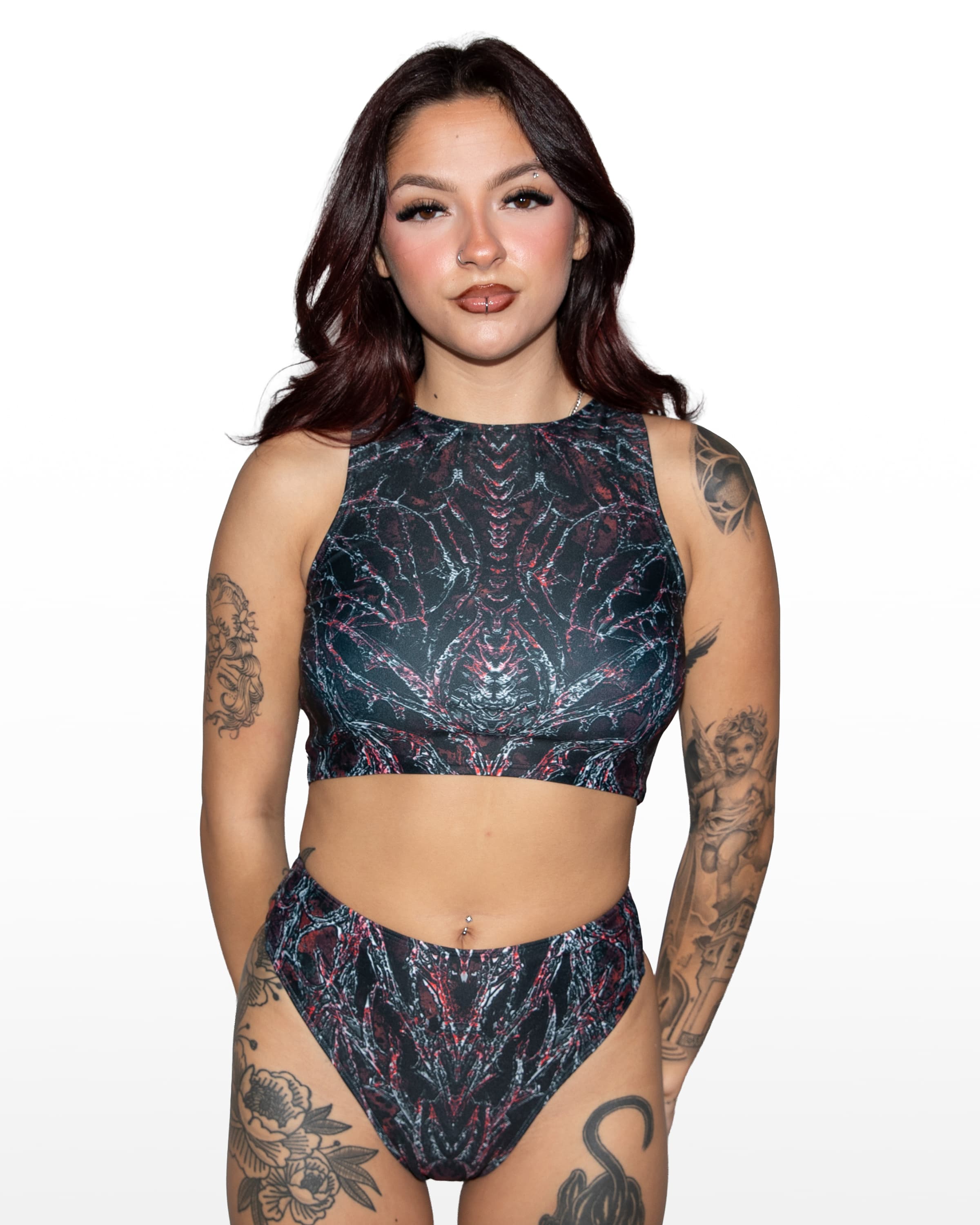
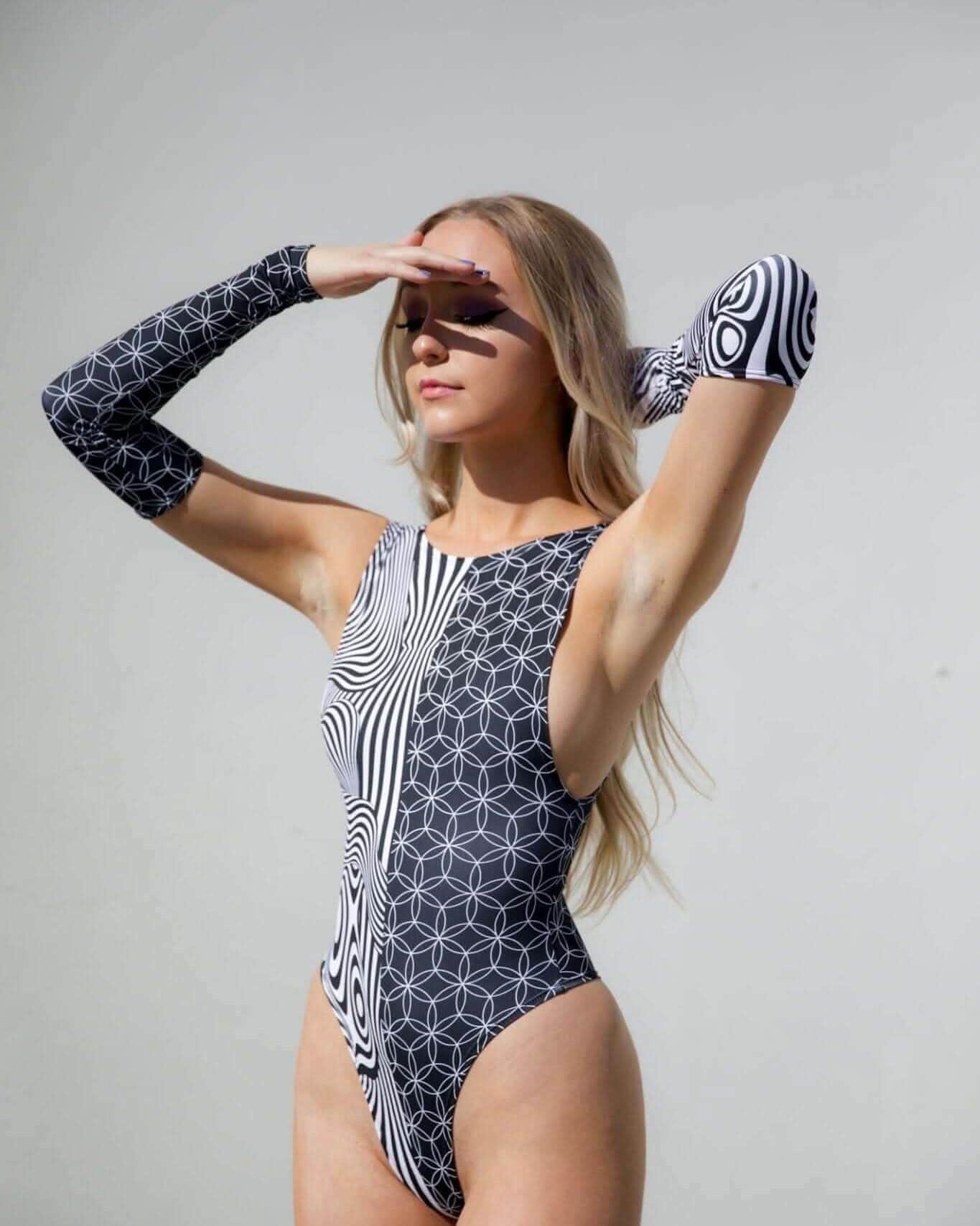
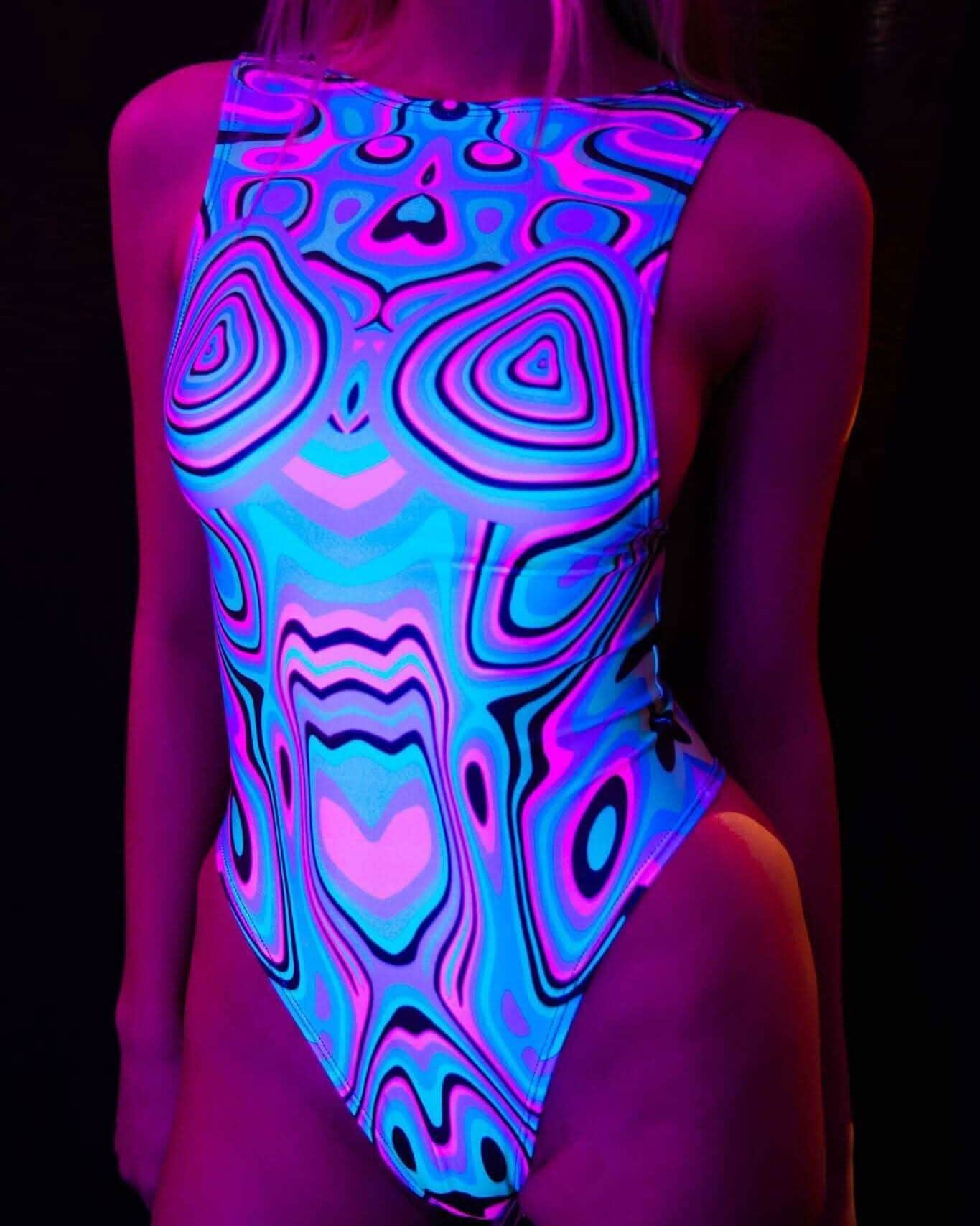
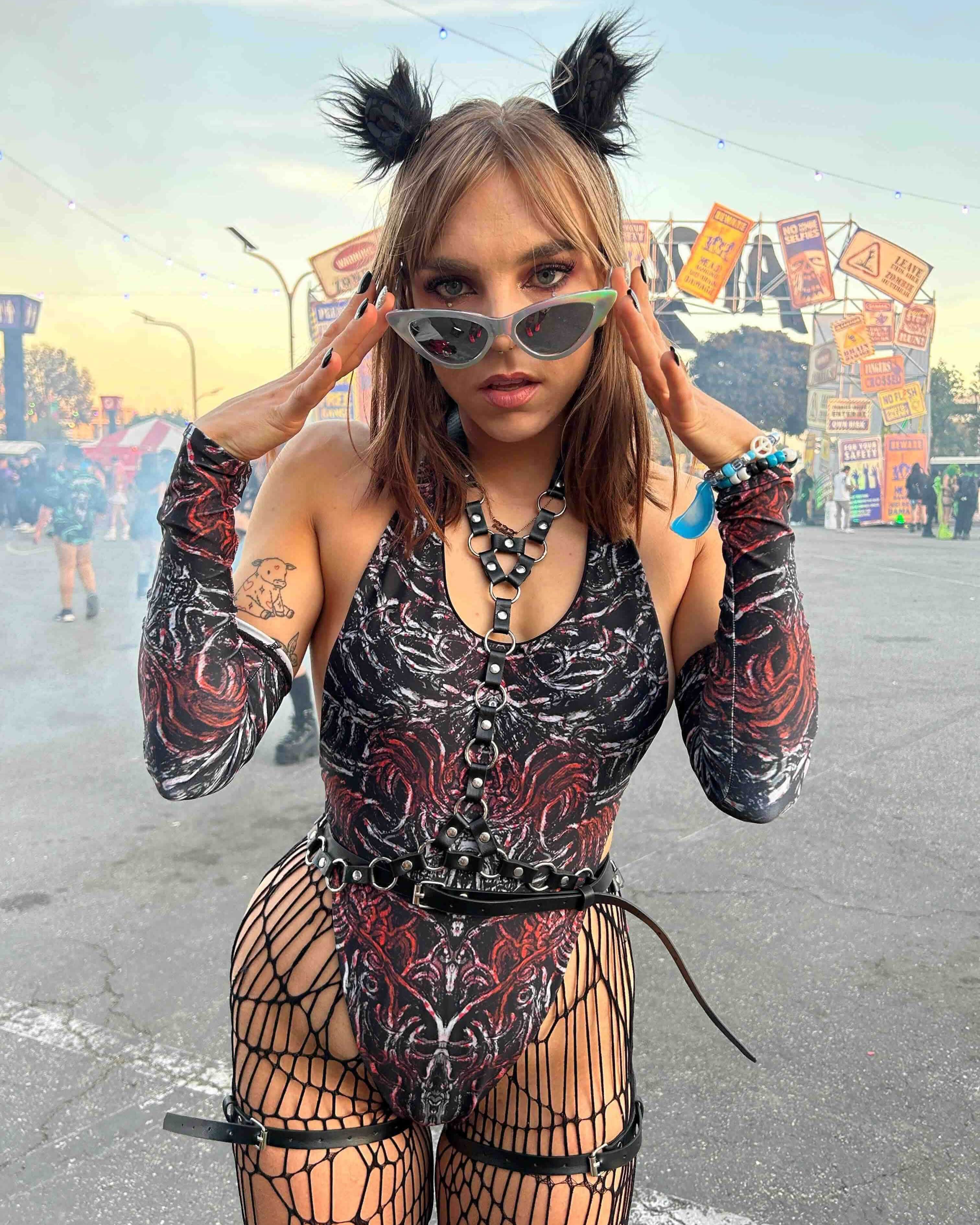
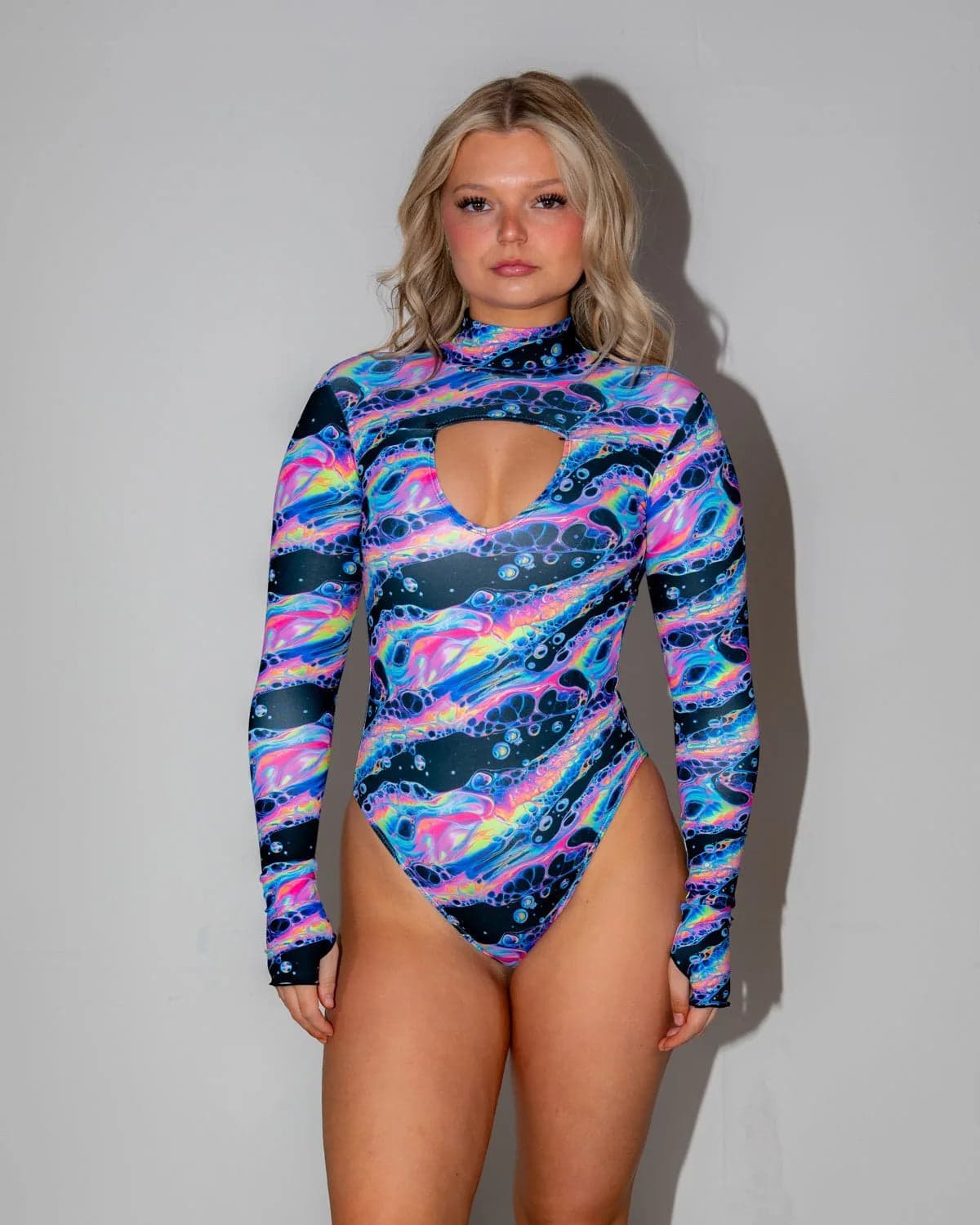
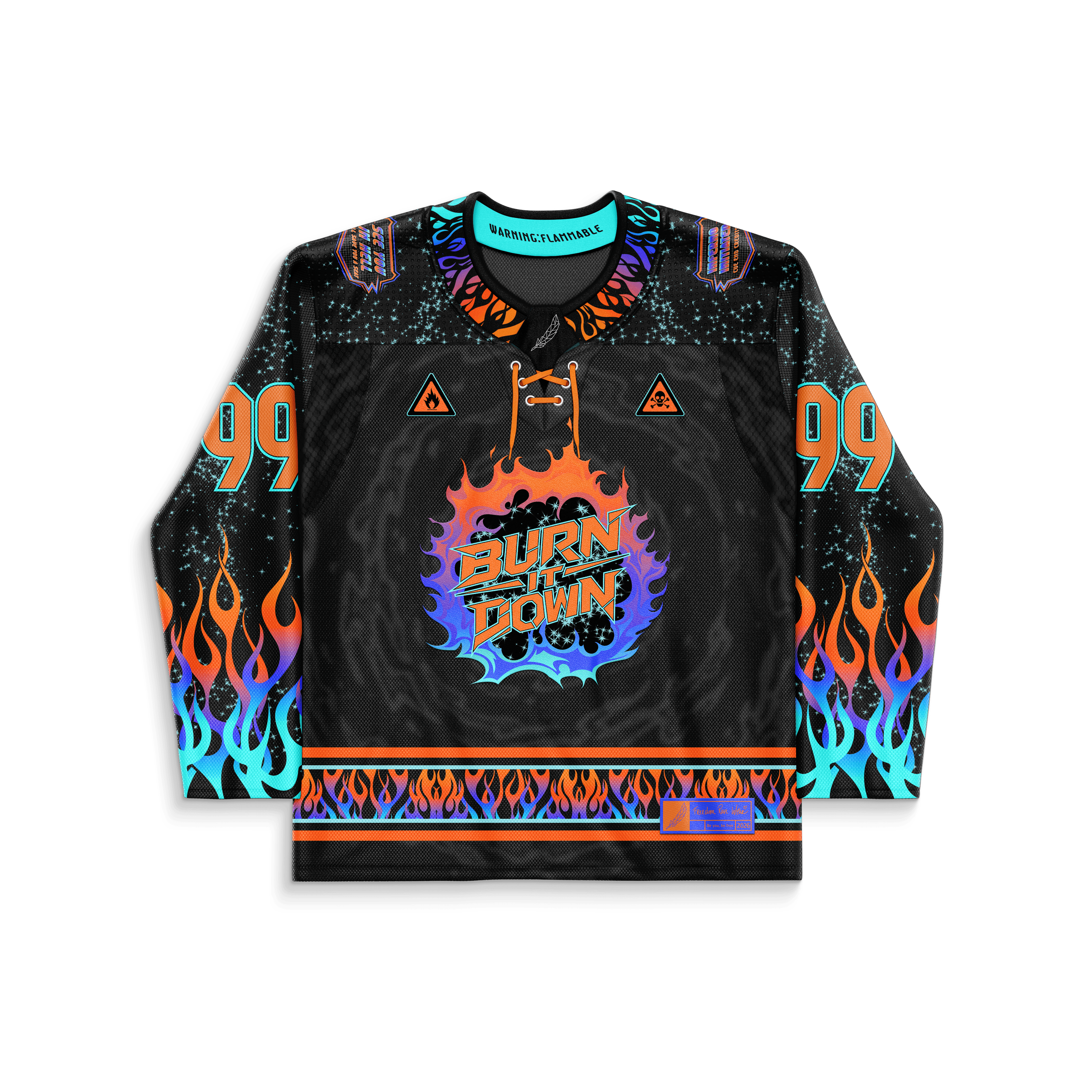
Distortion Keyhole Bodysuit — Freedom Rave Wear
Shop the Distortion Keyhole Bodysuit

If you want to ease into rave fashion, a printed top or a rave jersey with comfortable shorts is a great starting point. If you want to go bold immediately, a rave bodysuit with accessories makes a statement without requiring coordination skills. If you want to keep it simple, a comfortable outfit with one fun accessory (face gems, kandi, fun sunglasses) says "I'm here for this" without pushing your boundaries.

The most important outfit rule: comfortable shoes you've broken in. You'll be standing and moving for hours. Blisters ruin everything.

For a full guide, check out our first rave outfit guide.

How to Discover New Music

Building your electronic music knowledge is easier than ever:

Streaming playlists: Every platform has EDM playlists curated by genre. Start with "Electronic Rising" or "mint" on Spotify. Follow the artists you like and the algorithm does the rest.

Festival lineups: When a major festival announces its lineup, look up artists you don't recognize. Festival curation is done by people who know the scene deeply — if an artist is on the lineup, they're worth checking out.

Live sets and mixes: SoundCloud and YouTube have thousands of recorded live sets and DJ mixes. Listening to a full set (usually 60-90 minutes) is a completely different experience from individual tracks. Sets build momentum, tell stories, and showcase an artist's range.

Go to shows. Ultimately, electronic music is designed to be experienced live. The production, the sound system, the crowd energy, the physical sensation of bass — none of this translates through headphones. One live show will teach you more about what you like than a month of streaming.

Essential Gear for Getting Started

Earplugs: Non-negotiable from your very first event. Quality music earplugs reduce volume while preserving sound quality. Hearing damage is permanent and cumulative. Invest $20-30 in good earplugs and use them at every event for the rest of your life.

Comfortable shoes: Already covered, but it bears repeating. Broken in. Cushioned. Supportive.

A portable charger: Your phone will die at events. Cell service at large events drains batteries fast. A portable battery with 2-3 charges keeps your phone alive for rideshares, meeting friends, and photos.

Water bottle: Hydration is critical at any event where you're dancing for hours. Most festivals have free water refill stations.

The barrier to entry for EDM is lower than you think. You don't need to know the DJs, you don't need the perfect outfit, and you don't need to know how to dance. You just need to show up with an open mind and let the music do what it does best — make you feel something.

When you're ready to look the part, browse Freedom Rave Wear — handcrafted festival fashion designed for everyone from first-timers to festival veterans. Start with the best sellers and build from there.

0 comments

Leave a comment

Please note, comments need to be approved before they are published.