
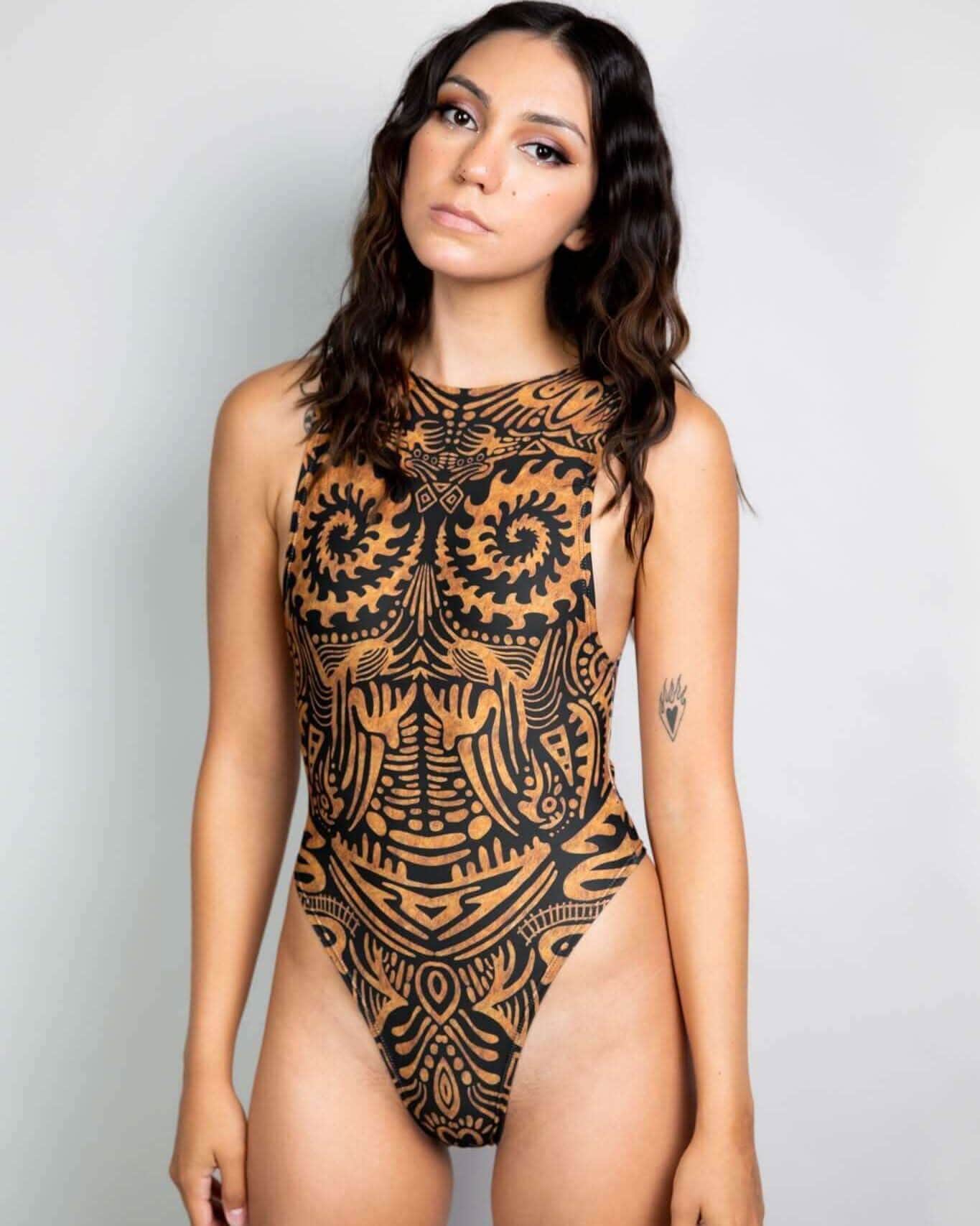
Slow fashion rave wear is festival clothing made to survive many festivals instead of one: traceable manufacturing, quality fabric with honest fiber content, prints that are part of the fabric rather than sitting on it, and a maker willing to stand behind the piece in writing. You can separate quality festival clothing from fast fashion in about three minutes with five checks: the label, the print method, the maker, the warranty, and the resale market. This guide walks through each one, plus the greenwashing tells to watch for.
Why this matters more in rave wear than anywhere else
Festival clothing is fashion's most disposable category. Outfits are bought for one specific weekend, worn hard for two or three days, washed once, and abandoned. The U.S. EPA reports that 11.3 million tons of textiles were landfilled in 2018 in the United States alone, and single-wear event clothing feeds that stream directly. The Ellen MacArthur Foundation frames the fix as keeping garments in use longer and designing waste out from the start. In rave wear, that translates to a simple test: is this piece built for one festival, or for all of them?
Check 1: Read the label like a skeptic
Fast fashion festival clothing hides behind vague fabric copy: "premium stretch fabric," "eco-friendly material," no percentages, no fiber names. Quality rave wear states fiber content plainly, because the maker knows what they bought. Polyester spandex blends are the right choice for rave wear (they wick sweat, stretch four ways, and hold vivid prints), so the question is not poly versus cotton, it is virgin versus recycled and stated versus hidden.
Greenwashing tell: a blanket "made from recycled materials" claim across an entire catalog. Real recycled claims are specific. At Freedom Rave Wear, the printed styles are cut from recycled poly fabric, and we phrase it exactly that way because a specific claim is one you can check and a vague one is marketing.
Check 2: Ask how the print got there
Print method is the single fastest quality test. Sublimation printing bonds dye into the polyester fiber under heat and pressure. The print becomes part of the fabric: it cannot crack, peel, or flake, it survives unlimited washes, and the process is waterless. Cheap prints sit on the surface of the fabric and behave like paint on a balloon, cracking as the fabric stretches. If a store does not say how it prints, stretch a printed area in the product photos with your eyes: surface prints show white fabric through the print at full stretch.
Check 3: Find the maker
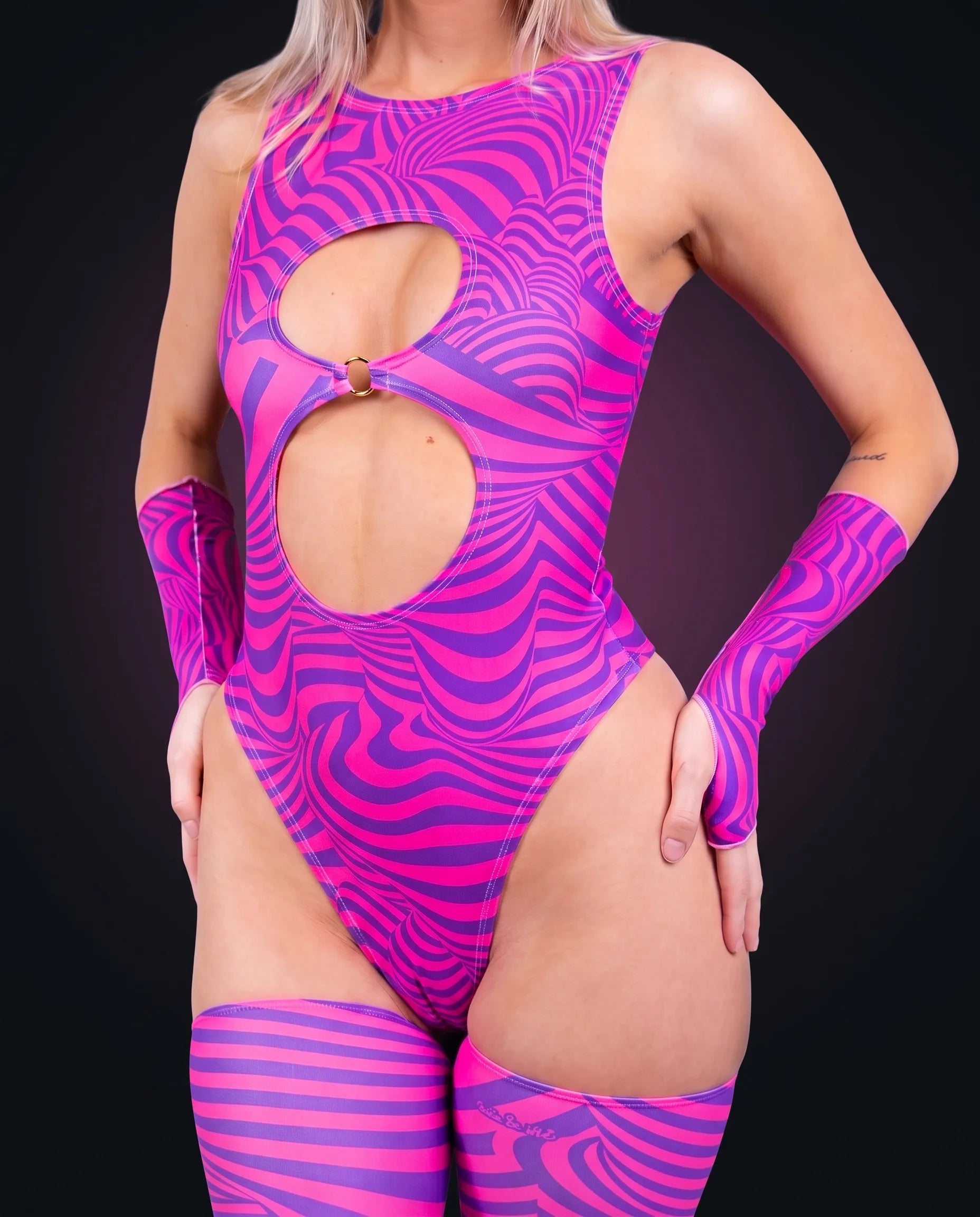
Slow fashion is traceable. Somewhere on a quality store's site is a named place and a production story: who cuts, who sews, who inspects. Fast fashion offers a brand story with no factory in it. Freedom Rave Wear's answer is one building in San Diego, California, where every piece is designed, cut, sewn, printed, checked, and shipped, powered by a rooftop solar array, and it has worked that way since 2014. You do not need every brand to run its own factory, but if a store cannot name where its clothing is made, it is telling you the supply chain would not survive daylight.
Check 4: Look for a warranty, not just a return policy
A return policy protects your ordering mistakes. A warranty protects you from the maker's mistakes, and almost nobody in festival fashion offers one, because a warranty on disposable clothing would bankrupt the brand that tried it. That asymmetry makes a warranty the strongest quality signal available. Every Freedom Rave Wear product carries a lifetime warranty against manufacturing defects: ripped seams, loose stitching, fabric flaws, discoloration, and print issues. Whoever you buy from, read what they promise after the sale, in writing, before you judge the price.
Check 5: Check the resale market
Resale is the market's honest opinion of quality. Clothing that survives twenty festivals gets resold; clothing that pills and warps after two gets binned quietly. Search any piece you are considering on resale platforms and see whether it holds value. This is also the cheapest way into slow fashion: a pre-loved quality piece beats a new fast fashion piece on both price and lifespan. Freedom Rave Wear runs Circular Rave Wear, the rave industry's first dedicated resale marketplace, open to festival fashion from any brand, precisely because the most sustainable garment is the one that stays in rotation.
The cost-per-wear math
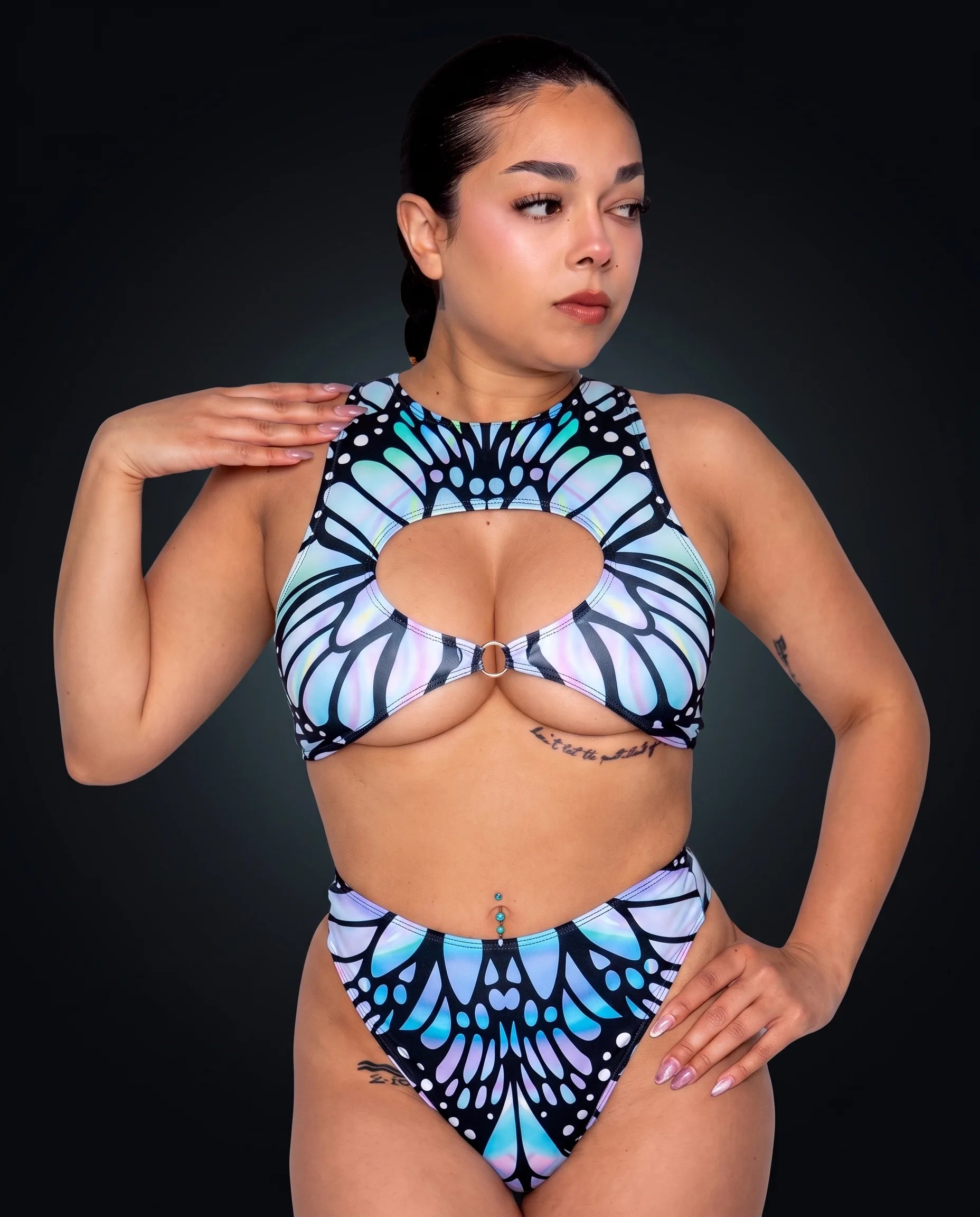
Fast fashion is only cheap on the day you buy it. A $25 set that survives two festivals costs $12.50 per festival, plus a replacement search every season. A $70 set that survives twenty festivals costs $3.50 per festival, resells for real money when your style changes, and never leaves you fixing a blown seam in a hotel bathroom at midnight. Slow fashion is not a premium you pay for ethics; over a few seasons it is simply the lower number.
The slow fashion habit nobody markets: care
The cheapest sustainability upgrade is free: wash cold on gentle, skip fabric softener, and hang dry. Heat breaks down spandex, so the dryer ages a stretch garment faster than a season of festivals will. A quality poly spandex piece cared for this way keeps its print, its stretch, and its resale value for years, which quietly doubles the lifespan you paid for and halves the cost per wear again.
A five-minute buyer's checklist
- Fiber content stated with percentages, recycled claims tied to specific pieces
- Print method named, sublimation for anything printed
- Manufacturing location named, production story visible
- Warranty in writing, separate from the return policy
- Pieces from the brand hold value on resale platforms
- Sizing published as measurements, not just letters (see our size chart for the format to expect)
Two or fewer boxes ticked is fast fashion wearing festival glitter. Five or six is clothing built for the long run. If you are choosing between stores right now, the nine checks for picking a rave clothing store extends this rubric to shipping, sizing tools, and fit, and the best sellers show what pieces that pass all six checks look like in practice.
FAQ
Is polyester rave wear bad for the environment?
Polyester is the right fiber for rave wear because it wicks sweat, stretches, and holds sublimation prints that never crack. The environmental questions are whether the poly is recycled rather than virgin, and whether the garment lasts years rather than one weekend. A recycled poly piece worn for twenty festivals and then resold beats nearly any alternative per wear.
How can I tell if a rave brand is greenwashing?
Look for specificity. Real sustainability claims name which pieces use which materials, where production happens, and how prints are applied. Vague signals like green leaf icons, "eco collections" with no fiber content, or blanket recycled claims across a whole catalog with no details are marketing, not manufacturing.
What is the most sustainable way to buy a festival outfit?
Buy a well-made piece you will wear repeatedly, or buy pre-loved. Resale marketplaces keep quality rave wear in rotation, and a piece with a warranty behind it is built to survive enough festivals to be worth reselling again.
Why does slow fashion rave wear cost more upfront?
Quality fabric, sublimation printing, domestic labor, and a warranty all cost real money. The price difference buys a garment that outlasts many cheap replacements, which is why cost per wear usually favors the better-made piece within a season or two.