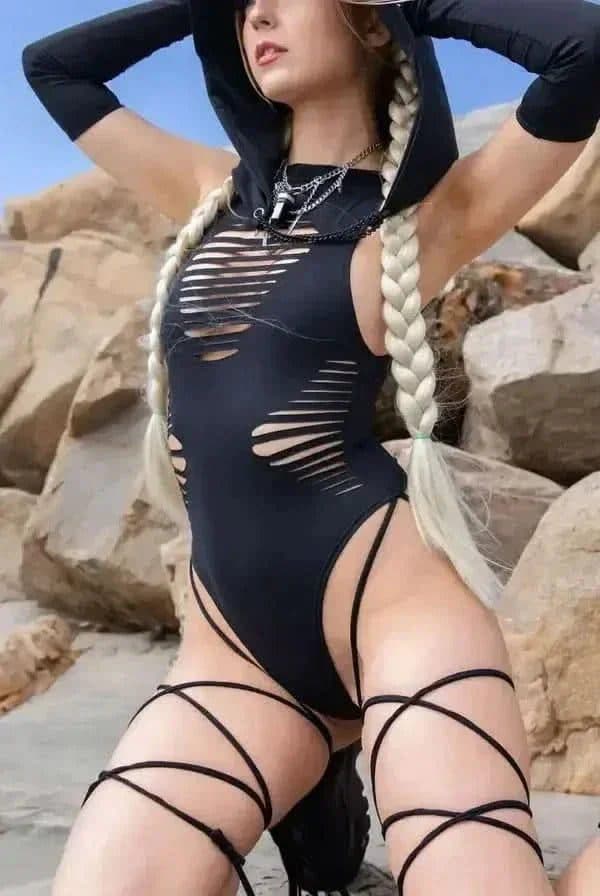
The intersection of music and fashion has always been one of culture's most electric meeting points, and nowhere is that collision more vivid than in rave culture's influence on the runway. What started in underground warehouses and open-air fields — the neon, the shimmer, the unapologetic self-expression — has become a driving force in high fashion. From Balenciaga to Balmain, designers are pulling directly from the energy of the dance floor, translating the raw freedom of rave culture into collections that blur the line between subculture and couture.
For those of us who have lived this culture from the inside, none of this is surprising. Ravers have always been fashion pioneers. The difference now is that the rest of the world is finally catching on.
Bold Colors and Psychedelic Patterns: The Visual Language of Rave
Rave culture speaks in color. Walk into any festival — whether it's Electric Daisy Carnival or an intimate warehouse event — and you'll be immersed in a living kaleidoscope. Neon greens, electric pinks, ultraviolet purples, and holographic silvers aren't just aesthetic choices. They're declarations of identity. Every shade is a signal: I'm here, I'm alive, and I refuse to fade into the background.
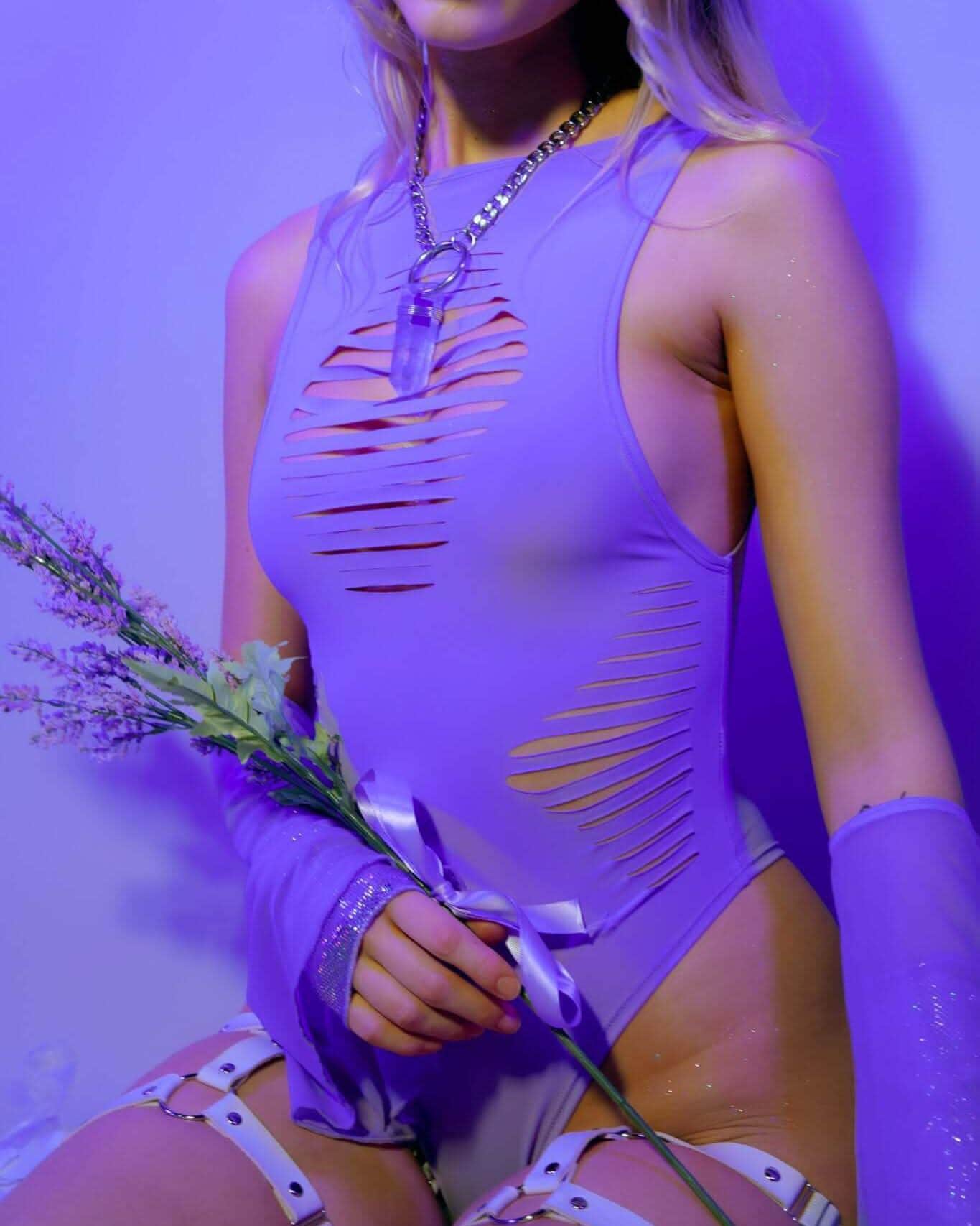
High fashion has taken notice. In recent seasons, designers like Versace and Jeremy Scott have sent models down the runway in psychedelic prints and acid-bright palettes that could have been pulled straight from a festival crowd. The playful maximalism that ravers pioneered — clashing patterns, gradient color stories, UV-reactive fabrics — has become a legitimate design language in the luxury space.
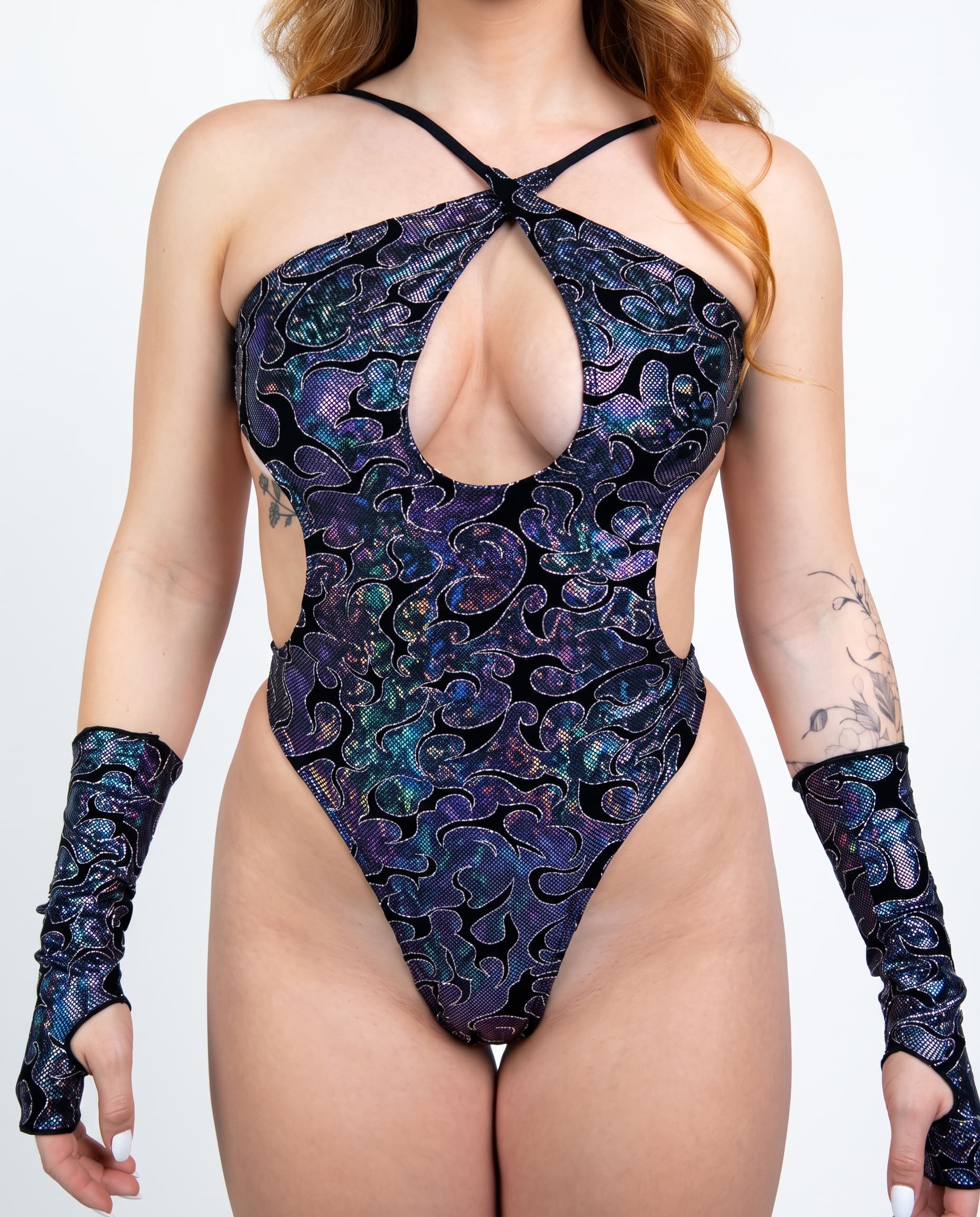
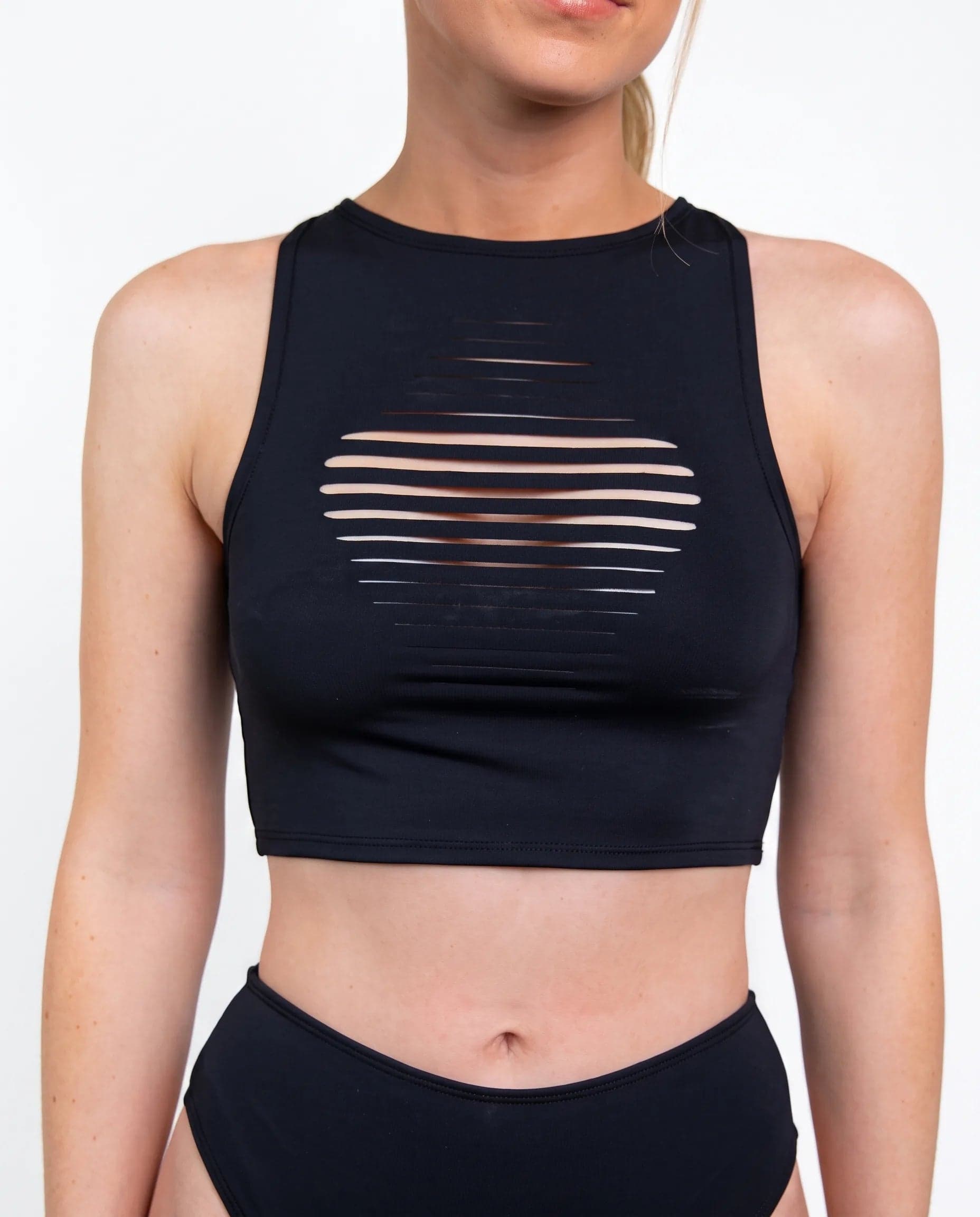
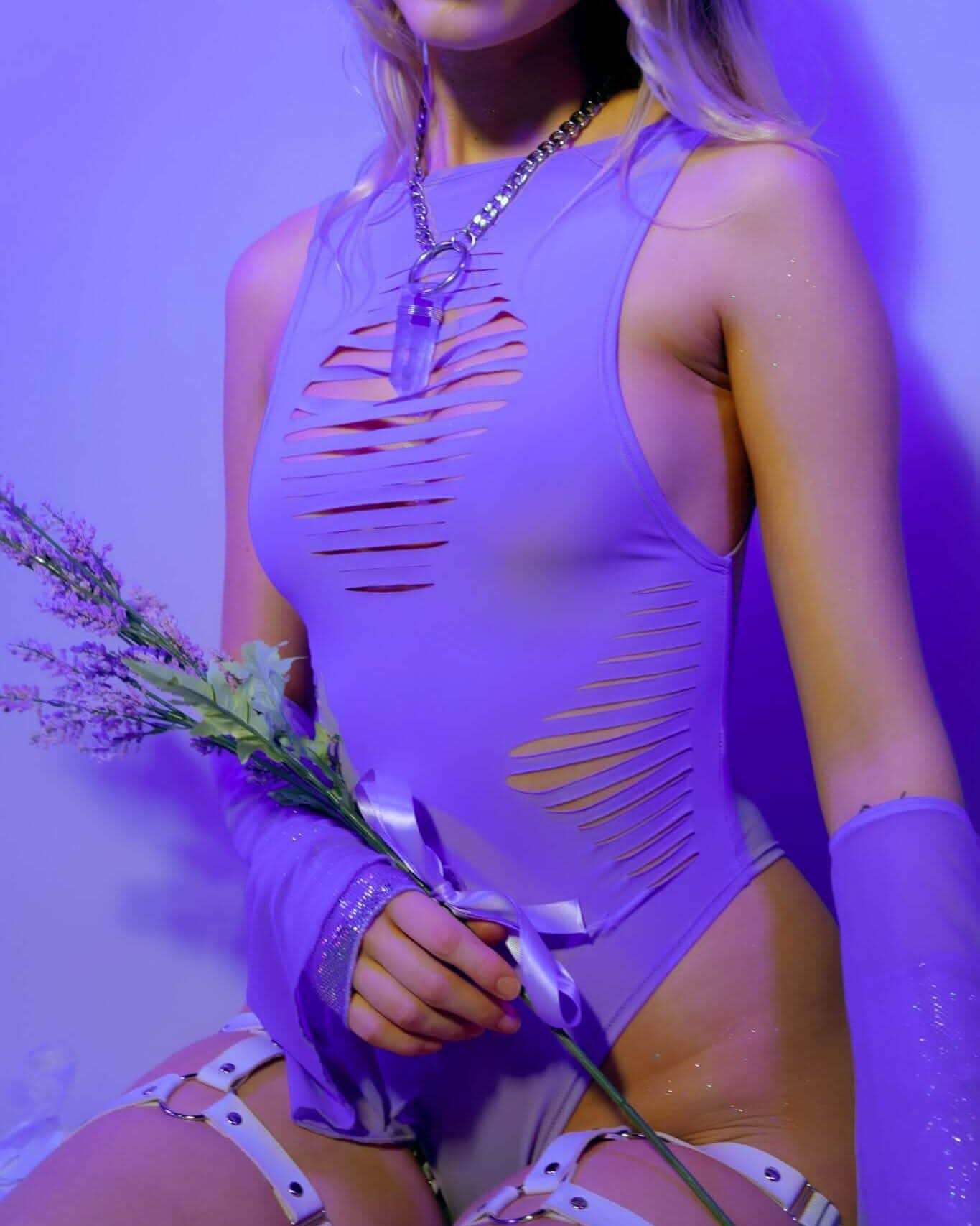
The key difference is that ravers don't treat bold color as a seasonal trend. It's a year-round commitment to visibility. When you browse rave tops or rave bottoms designed for the dance floor, you'll see the same fearless palette that luxury houses are now repackaging at ten times the price. The culture has always been ahead of the curve — the runway is just catching up.
Streetwear's Debt to Rave: Comfort, Individuality, and the Death of Dress Codes
Before streetwear dominated global fashion, ravers were already living its core philosophy: dress for yourself, dress for movement, dress for how you feel rather than how you're expected to look. The oversized silhouettes, the sporty layers, the sneakers-as-statement-pieces ethos — all of it traces back to dance culture's insistence that clothes should let you move freely and express who you actually are.
The rise of athleisure and luxury streetwear owes a massive debt to rave fashion's DNA. Brands like Off-White and Fear of God have built empires on the same principles ravers understood decades ago: comfort is not the opposite of style. It's the foundation of it. When you see oversized hoodies paired with statement accessories on a Paris runway, you're seeing a philosophy that was born on the dance floor.
This is exactly why men's rave outfits have evolved so dramatically. The old rules — gendered dressing, formal occasion wear, fashion as armor — dissolve under the strobe lights. Rave culture created a space where anyone could wear anything, and that radical openness is now reshaping mainstream fashion from the inside out.
Size Inclusivity: A Lesson the Runway Is Still Learning
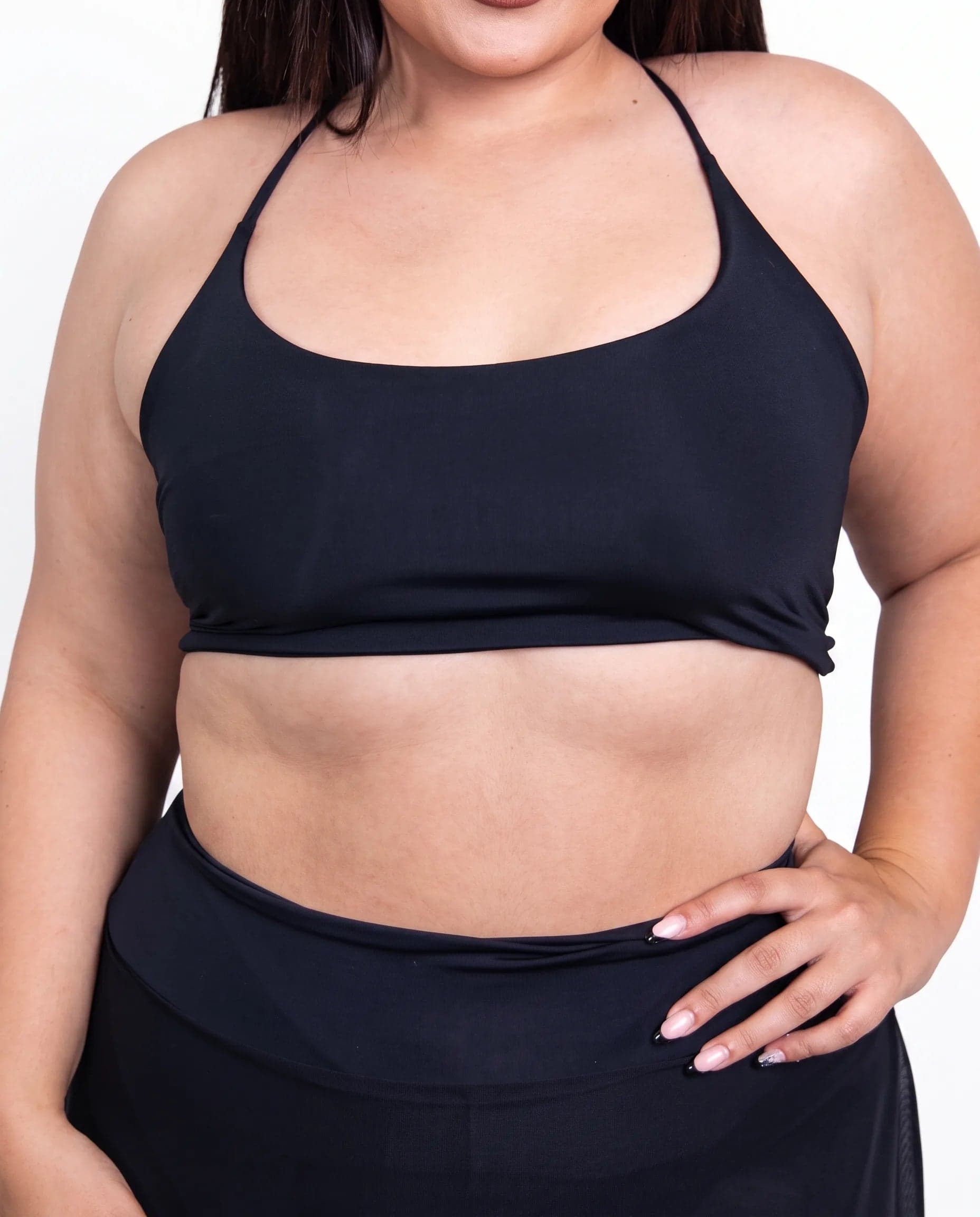
One area where rave culture has consistently led is body inclusivity. The dance floor has always welcomed every body, and rave fashion reflects that. While high fashion is still making tentative steps toward size diversity, festival communities have been celebrating it for years. The growing demand for plus size rave outfits reflects what the culture has always known: self-expression doesn't come in a single size, and every body deserves to feel extraordinary under the lights.
Futuristic Design and Avant-Garde Aesthetics
If you've ever stood under a canopy of lasers at a festival main stage, you understand the rave scene's obsession with the future. Metallic fabrics, reflective materials, exaggerated proportions, and sculptural silhouettes — rave fashion has always been a form of world-building. When you get dressed for a festival, you're not just choosing an outfit. You're stepping into a character, a vision of who you become when the music takes over.
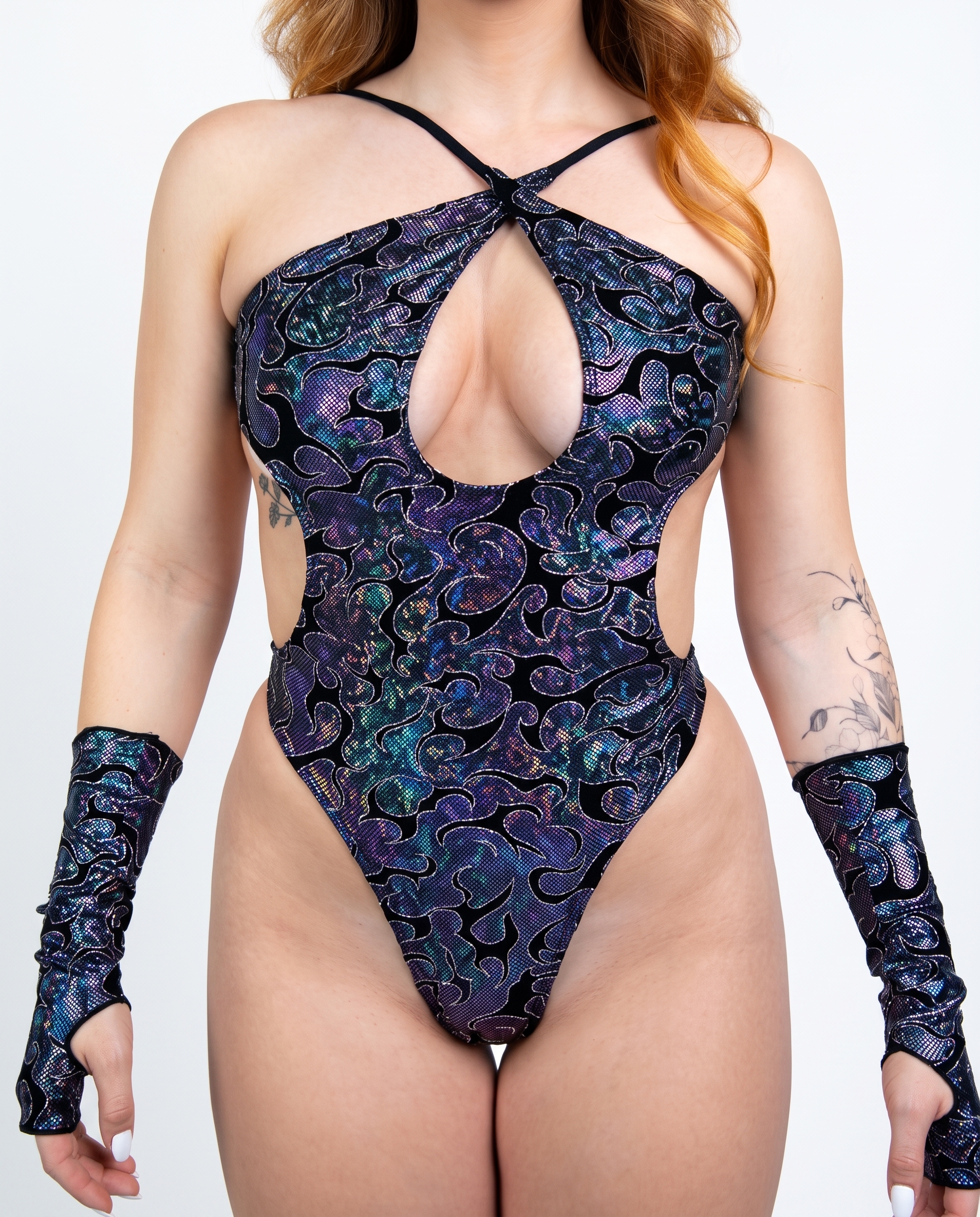
Designers like Iris van Herpen and Marine Serre have translated this futuristic sensibility into high art. Their use of unconventional materials, 3D-printed elements, and alien-inspired forms mirrors the same creative impulse that drives ravers to experiment with metallic rave bodysuits, holographic fabrics, and gravity-defying accessories. The difference is context. The rave version is designed to be danced in, sweated in, lived in — not just photographed on a catwalk.
This is where craftsmanship matters. Mass-produced fast fashion can mimic the look, but it falls apart after one night. Pieces that are handcrafted with intention — like the kind made in Freedom Rave Wear's San Diego studio — hold up through long festival weekends and carry a story that factory-made garments simply can't replicate.
Statement Accessories: From Kandi to Couture
Accessories have always been the secret weapon of rave fashion. Long before luxury brands started selling chunky platform sneakers and oversized sunglasses at premium prices, ravers were building entire identities through their accessory game. Kandi bracelets, holographic fanny packs, LED-lit jewelry, and flowing rave scarves — these aren't afterthoughts. They're the finishing touches that transform a look from put-together to unforgettable.
The fashion industry has embraced this philosophy wholeheartedly. Gucci's chunky sneaker collections, Prada's nylon accessories revival, and the explosion of iridescent and holographic materials across accessory lines all trace their energy back to rave culture's playful, more-is-more approach. When you see a model walking a runway draped in reflective fabrics and oversized eyewear, you're watching the mainstream absorb what festival-goers have been perfecting for decades.
What makes rave accessories special is their interactive quality. They catch light, they move, they invite conversation. The piece everyone asks about at a festival isn't usually the most expensive thing someone is wearing — it's the most intentional, the most personal, the one that says something about the person behind it.
Collaborations: When Ravers and Designers Unite
The influence of rave culture on the runway goes beyond aesthetic inspiration. In recent years, we've seen genuine collaborations between the underground and the establishment. Festival culture influencers have partnered with major brands to co-design collections that carry authentic rave energy rather than a sanitized approximation of it.
Events like Tomorrowland have become fashion destinations in their own right, attracting designers and style editors who come not just to observe but to participate. The festival itself becomes a living lookbook, where thousands of people showcase their most creative, boundary-pushing outfits in real time.
These collaborations work best when they respect the culture's roots. Rave fashion was never about exclusivity or gatekeeping — it was about community, creativity, and the shared experience of losing yourself in music and finding yourself in self-expression. The most successful crossover collections are the ones that honor this spirit rather than exploiting it. They celebrate individuality, prioritize wearability, and understand that the best rave fashion is the kind that makes you feel invincible on the dance floor.
Couples and Crew Looks: The Social Dimension of Rave Fashion
One aspect of rave fashion that rarely makes it onto the runway — but defines the culture — is its social dimension. Getting ready for a festival is a communal ritual. Friend groups coordinate themes, partners design matching rave outfits, and entire crews show up as a unified visual statement. Fashion becomes a form of bonding, a shared language that says we belong together without a single word.
This collaborative approach to style is something the broader fashion world is beginning to explore through capsule collections and coordinated campaigns. But ravers have been doing it organically for years — creating cohesive aesthetic experiences that turn a group of friends into a walking art installation.
Where the Dance Floor Meets the Runway
Rave culture's influence on fashion is not a trend with an expiration date. It's a fundamental shift in how the industry thinks about color, comfort, self-expression, and who gets to participate in style. The dance floor has always been a laboratory for the radical and the beautiful, and the runway is richer for paying attention.
If you're someone who has always understood that getting dressed is an act of creation — that your rave clothing is an extension of your identity, not just a covering for your body — then you've been ahead of the fashion world this entire time. The designers are following your lead. Keep expressing, keep experimenting, and keep showing the world what happens when music and fashion collide without compromise.