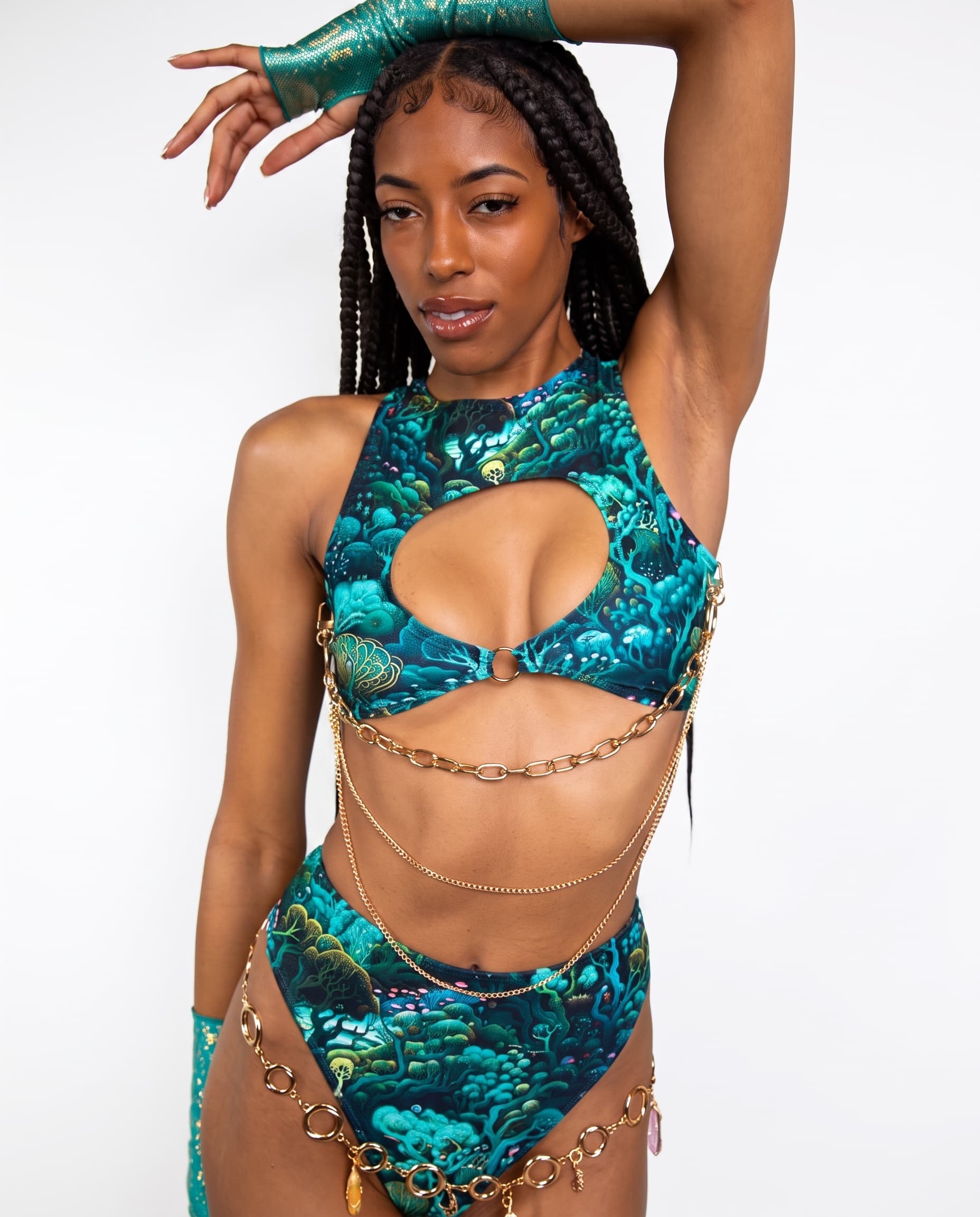
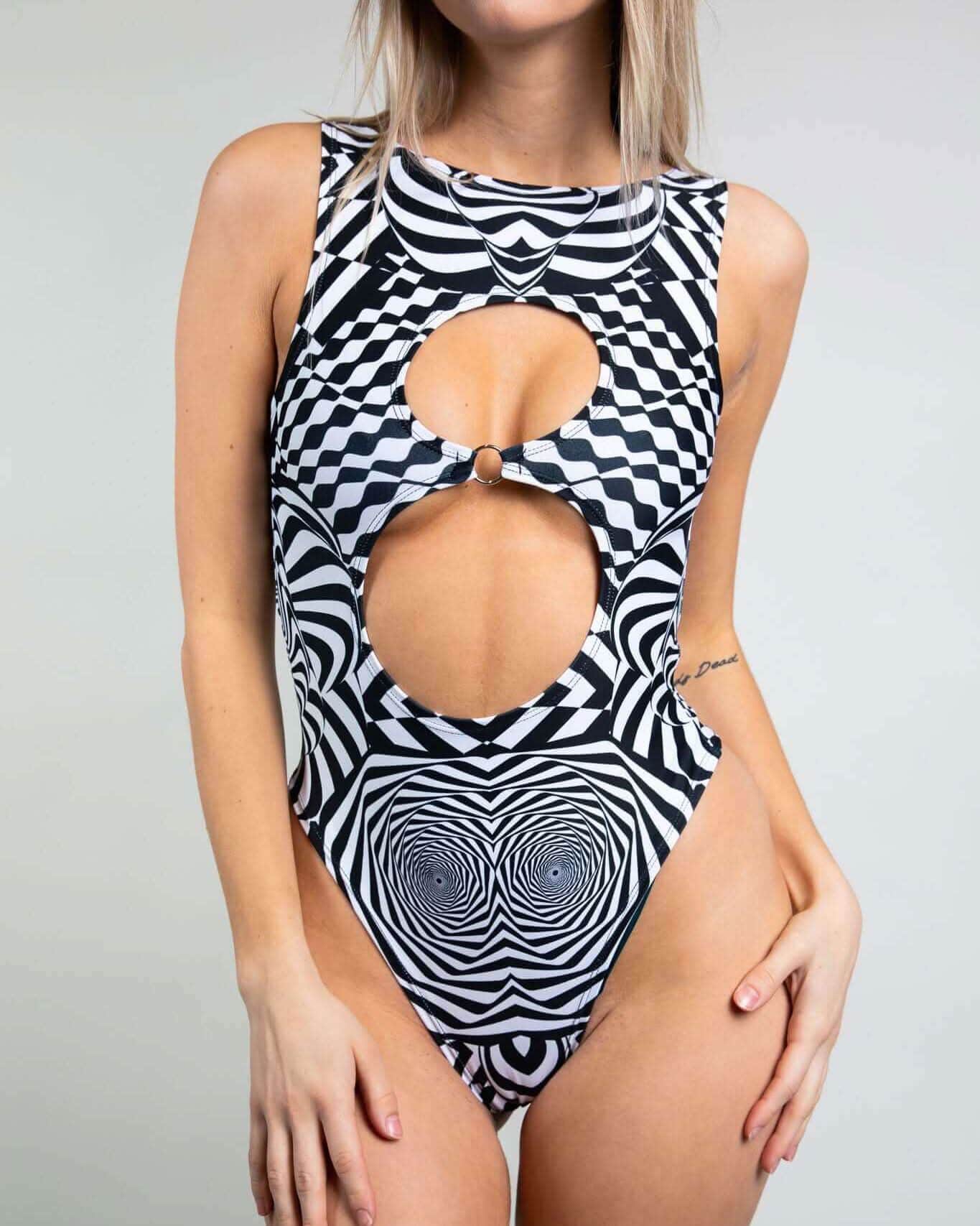
The science of sound at music festivals goes far deeper than catchy drops and sing-along anthems. Every time you step through those festival gates, your brain and body enter a neurochemical playground — one that reshapes your mood, bonds you to strangers, and leaves you riding a wave of euphoria for days after. Whether you're a seasoned headliner chaser or gearing up for your first event in fresh rave outfits, understanding what's actually happening inside you can deepen your appreciation for the transformative power of live music.
Festivals are multisensory experiences by design. The thundering bass, the synchronized light shows, the press of thousands of bodies moving in unison — none of it is accidental. Every element is engineered to push your neurochemistry into overdrive. Let's break down exactly how that works, section by section, from rhythm to long-term well-being.
The Power of Rhythm and Collective Synchrony
From the pounding kick drums of techno to the syncopated percussion of house music, festival sound systems deliver rhythm at a physical level. Bass frequencies below 100 Hz don't just reach your ears — they vibrate through your chest, your ribcage, your entire skeletal system. This isn't metaphor. Research published in Proceedings of the National Academy of Sciences has shown that when groups of people listen to the same rhythmic music, their heart rates begin to synchronize.

That collective heartbeat creates something profound: a visceral sense of unity with everyone around you. It's why a crowd of 50,000 people at Electric Daisy Carnival can feel like one living, breathing organism. Your autonomic nervous system — the part of your brain you can't consciously control — locks into the tempo and pulls your body along for the ride.
This phenomenon, called entrainment, is one of the oldest neurological responses humans have. Tribal drumming circles, religious chanting, military marching — all exploit the same mechanism. Festivals just happen to do it with world-class sound design and production values that would make ancient shamans weep.
The Neurochemistry Behind Festival Euphoria
When your favorite track drops, that rush of chills down your spine isn't just excitement — it's dopamine flooding your brain's reward pathways. Dopamine is the neurotransmitter most associated with pleasure, motivation, and anticipation. Studies using PET scans have confirmed that peak musical moments trigger dopamine release in the striatum, the same brain region activated by food, connection, and other primal rewards.
But dopamine is only part of the cocktail. Festival environments also stimulate the release of serotonin (mood regulation and social bonding), norepinephrine (alertness and energy), and endocannabinoids — your body's own version of the compounds found in cannabis. Together, these chemicals create a state neurologists sometimes call "flow": deep immersion, effortless attention, and a blurred sense of time.
This is why hours can feel like minutes on the dance floor. Your prefrontal cortex — the analytical, time-tracking part of your brain — quiets down, while your limbic system, the emotional and sensory hub, takes the wheel. You stop thinking. You start feeling. And that shift is where the magic lives.
Why Dancing Feels Like a Natural High
Dancing at a festival is a full-body experience that doubles as serious aerobic exercise. Your heart rate climbs, your muscles engage, and your brain responds by releasing endorphins — the body's built-in painkillers and mood elevators. This is the same "runner's high" athletes chase, except you're chasing it in rave bodysuits under a canopy of lasers.

Beyond endorphins, sustained rhythmic movement also increases levels of brain-derived neurotrophic factor (BDNF), a protein that supports the growth and maintenance of neurons. In plain terms, dancing doesn't just feel good — it's literally good for your brain's long-term health.
There's also a social dimension. When you dance in sync with others, your brain releases oxytocin, strengthening feelings of trust and connection. This is why dancing shoulder to shoulder with strangers can forge bonds that feel surprisingly deep. The rave fam isn't just a concept — it's neurochemistry in action. And when you're dressed in something that makes you feel like your truest self, whether that's bold rave tops or flowing festival pashminas, the confidence amplifies every sensation.
Lyrics, Vocals, and the Language of Belonging
While electronic music often prioritizes instrumental composition, the vocal elements that do appear carry outsized emotional weight. Lyrics about unity, freedom, love, and transcendence aren't just filler — they activate your brain's language-processing centers and overlay meaning onto the musical experience.
Singing along with thousands of people triggers what psychologists call "collective effervescence," a term coined by sociologist Emile Durkheim. It describes the heightened sense of identity and emotional energy that emerges when a group engages in shared ritual. Festival anthems function as modern hymns — secular, inclusive, and deeply communal.
This sense of belonging is especially powerful for people who feel like outsiders in their daily lives. For many in the rave community, the festival is the one place where self-expression isn't just tolerated — it's celebrated. If you're someone who has ever felt too bold, too loud, or too much for the "real world," the festival floor is where you finally fit.
Memory, Music, and Emotional Time Travel
Few things trigger memory as powerfully as music. This is because auditory processing and memory encoding share real estate in the brain — specifically the hippocampus and the medial prefrontal cortex. When you hear a track that defined a particular festival weekend, your brain doesn't just recall the facts. It reconstructs the emotions, the physical sensations, even the smells.
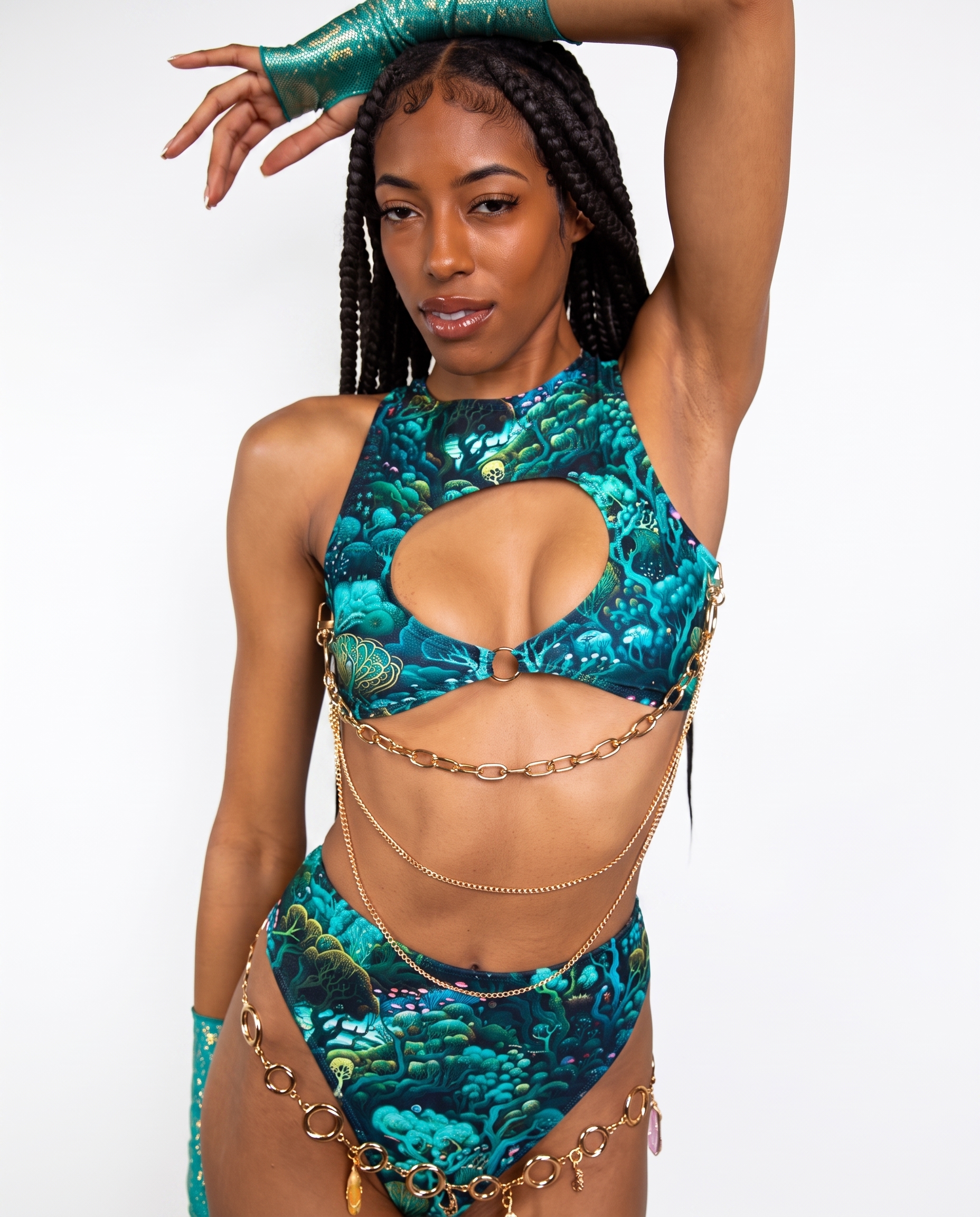
Neuroscientists call this "episodic memory retrieval," and music is one of its most reliable triggers. A single track can transport you back to a sunset set at Tomorrowland, a late-night bass cave, or that moment you locked eyes with your crew during the drop. The experience doesn't just live in the past — it becomes part of your emotional architecture.
This is also why festival veterans often curate their wardrobes with the same intentionality they bring to their playlists. The outfit you wore becomes part of the memory. That's the power of choosing rave clothing that actually means something to you — it becomes woven into the story your brain tells about who you were in that moment.
Crowd Energy and the Oxytocin Effect
The collective energy of a festival crowd is one of the most underappreciated forces in the experience. Being surrounded by thousands of people who are all choosing joy, choosing presence, choosing radical self-expression — that environment fundamentally alters your neurochemistry.
Oxytocin, often called the "bonding hormone," surges in social environments characterized by trust, physical proximity, and shared emotional states. Festivals check every box. The result is a feeling of deep connection to people you may have never met — and may never see again. It's why you can have a five-minute conversation at a water station that feels more real than months of small talk back home.
This effect intensifies when the crowd shares visual markers of belonging. When you see someone in matching rave outfits or catch a fellow raver rocking the same bold aesthetic, it sends an instant signal: you're one of us. That visual tribe recognition is a shortcut to trust, and your brain rewards it accordingly.
Sensory Overload as Neurological Catalyst
Festivals are deliberately designed to overwhelm your senses. Massive LED walls, laser arrays, pyrotechnics, fog machines, and immersive art installations create a sensory environment unlike anything in daily life. This isn't just spectacle for its own sake — it serves a neurological purpose.
When your brain receives more sensory input than it can process through normal channels, it shifts into a heightened state of awareness. Your default mode network — the brain system responsible for self-referential thinking, rumination, and worry — goes quiet. What replaces it is a state of present-moment absorption that researchers associate with meditation, flow states, and peak experiences.
In other words, the light show isn't just eye candy. It's a tool for temporary ego dissolution — the same phenomenon sought through mindfulness practices and breathwork. The festival just delivers it at 128 BPM with a side of confetti cannons.
The Post-Festival Glow and Emotional Recovery
If you've ever come home from a festival weekend and felt inexplicably happy for days afterward, you're not imagining it. The "festival afterglow" is a well-documented psychological phenomenon. It stems from the combination of dopamine, oxytocin, and endorphin exposure over a sustained period, plus the deep social bonding and emotional catharsis the experience provides.
This afterglow can also carry a shadow side. The neurochemical crash that follows intense stimulation — sometimes called the "Sunday scaries" or "post-festival blues" — is your brain recalibrating its baseline after an extraordinary spike. Serotonin levels, in particular, may dip temporarily. Staying hydrated, sleeping well, eating nutrient-dense food, and leaning into your rave fam for connection all help smooth the re-entry.
Many experienced ravers treat the post-festival period as part of the journey rather than an afterthought. Integration — reflecting on what you felt, what you learned, what you want to carry forward — turns a weekend of sensation into lasting personal insight.
Long-Term Effects on Well-Being and Identity
The positive emotions experienced at festivals don't evaporate when the music stops. Research in positive psychology suggests that peak experiences — moments of intense joy, awe, and connection — can permanently shift a person's baseline well-being. They become reference points for what life can feel like at its best, and they motivate continued growth and self-discovery.
For many in the rave community, festivals serve as catalysts for identity exploration. The freedom to dress, move, and express yourself without judgment creates a safe laboratory for becoming. What starts as trying on a bold look — maybe stepping into plus size rave wear that finally celebrates your body, or men's rave outfits that break every conventional rule — can evolve into a deeper understanding of who you actually are when nobody's watching.
That's the real science of sound. It's not just about decibels and frequencies. It's about the way music, movement, community, and self-expression converge to rewire your brain toward joy, connection, and authenticity.
Next time you're standing in that crowd, feeling the bass reverberate through your bones and the lights paint the sky, know that every cell in your body is responding to something ancient and essential. The festival isn't an escape from real life. For your brain and body, it might be the most real thing you do all year. Explore the full rave outfits collection and find the pieces that become part of your next unforgettable story.