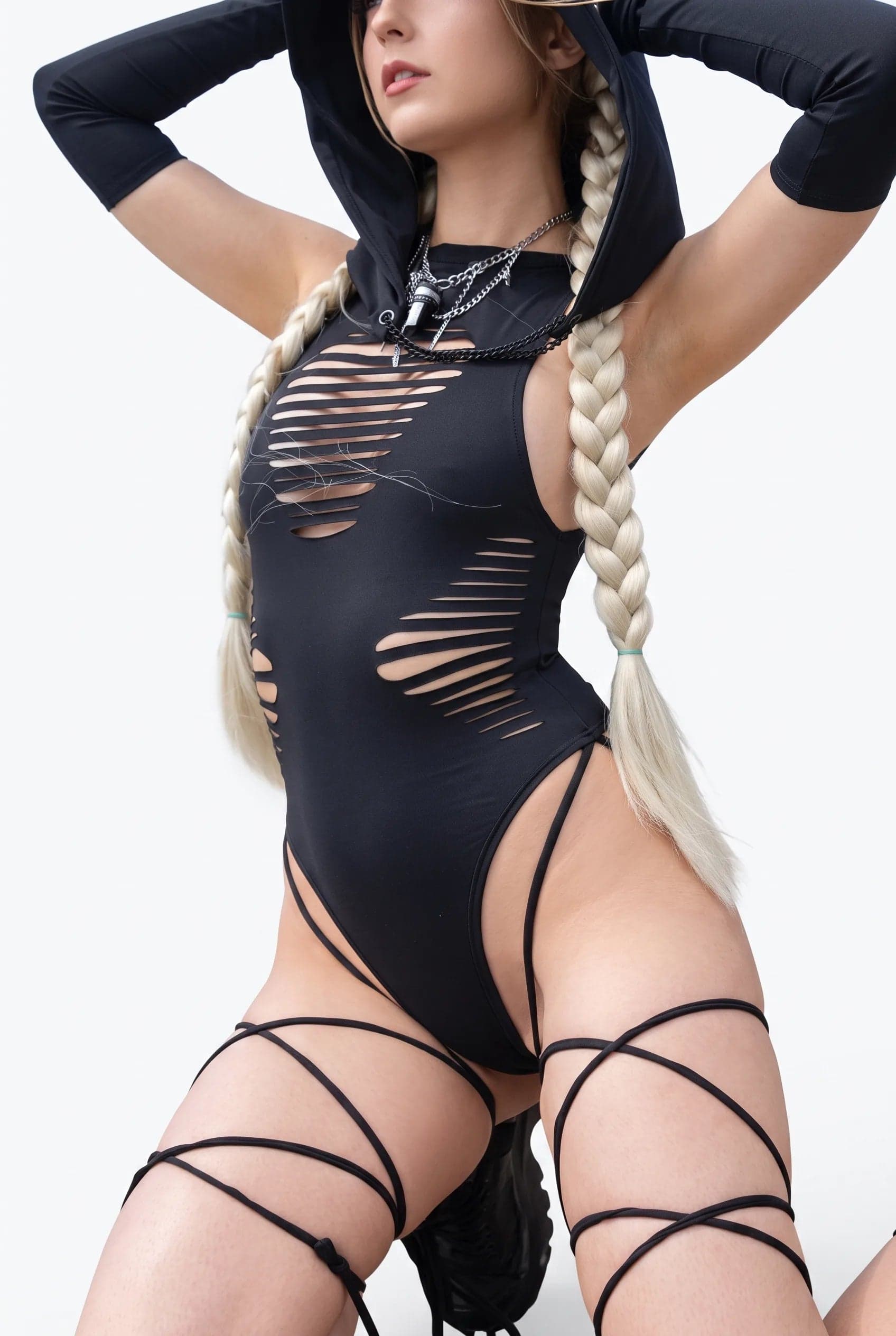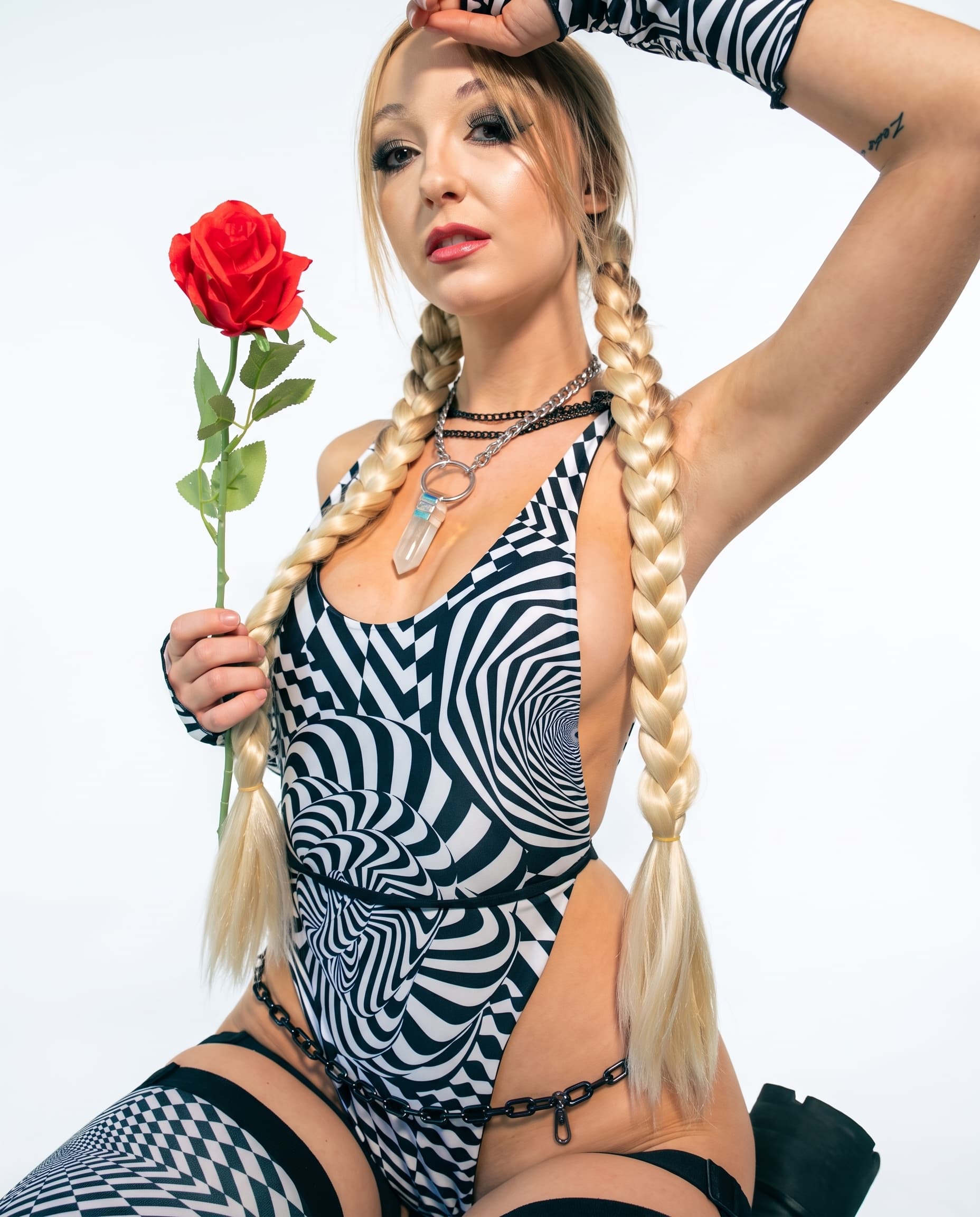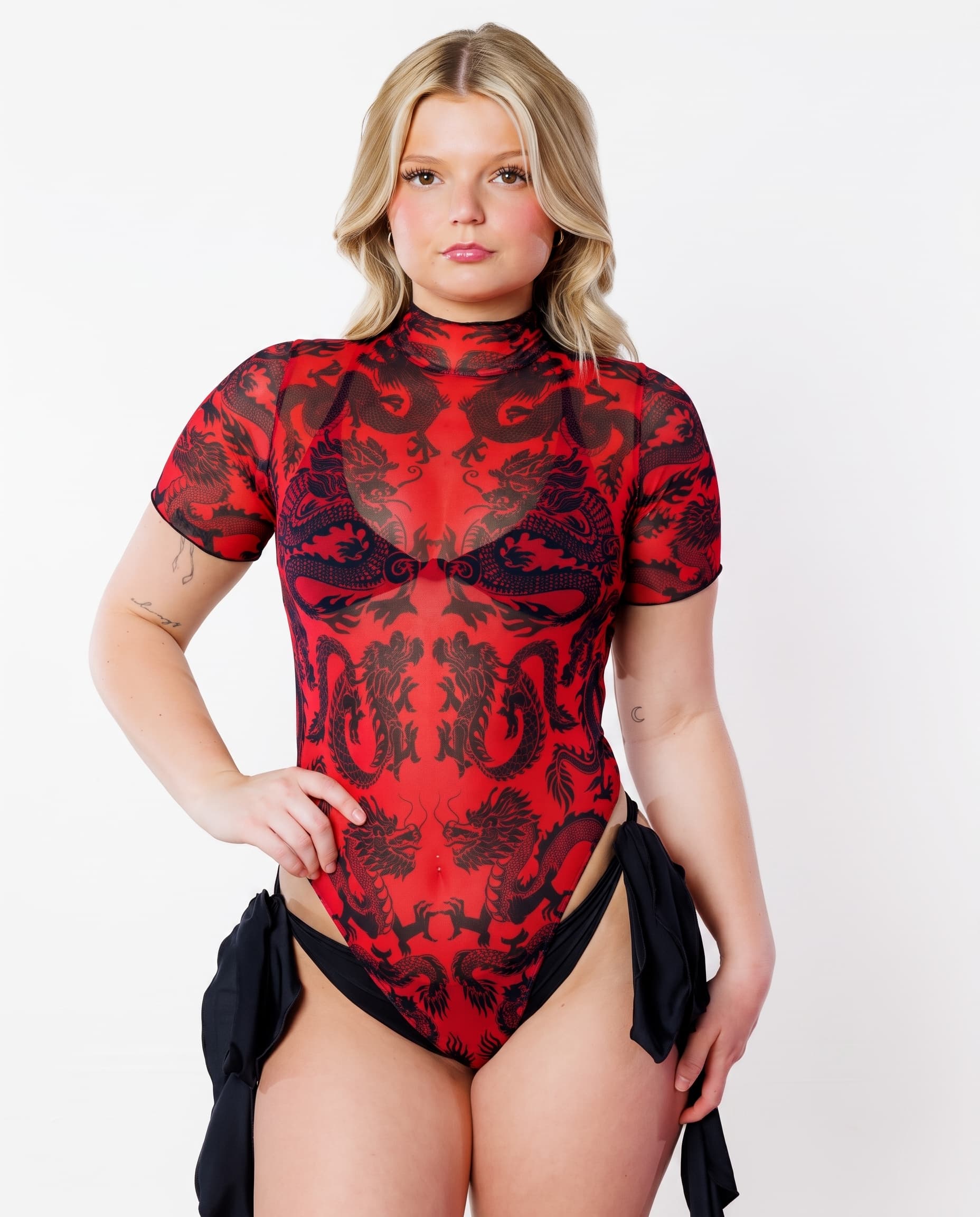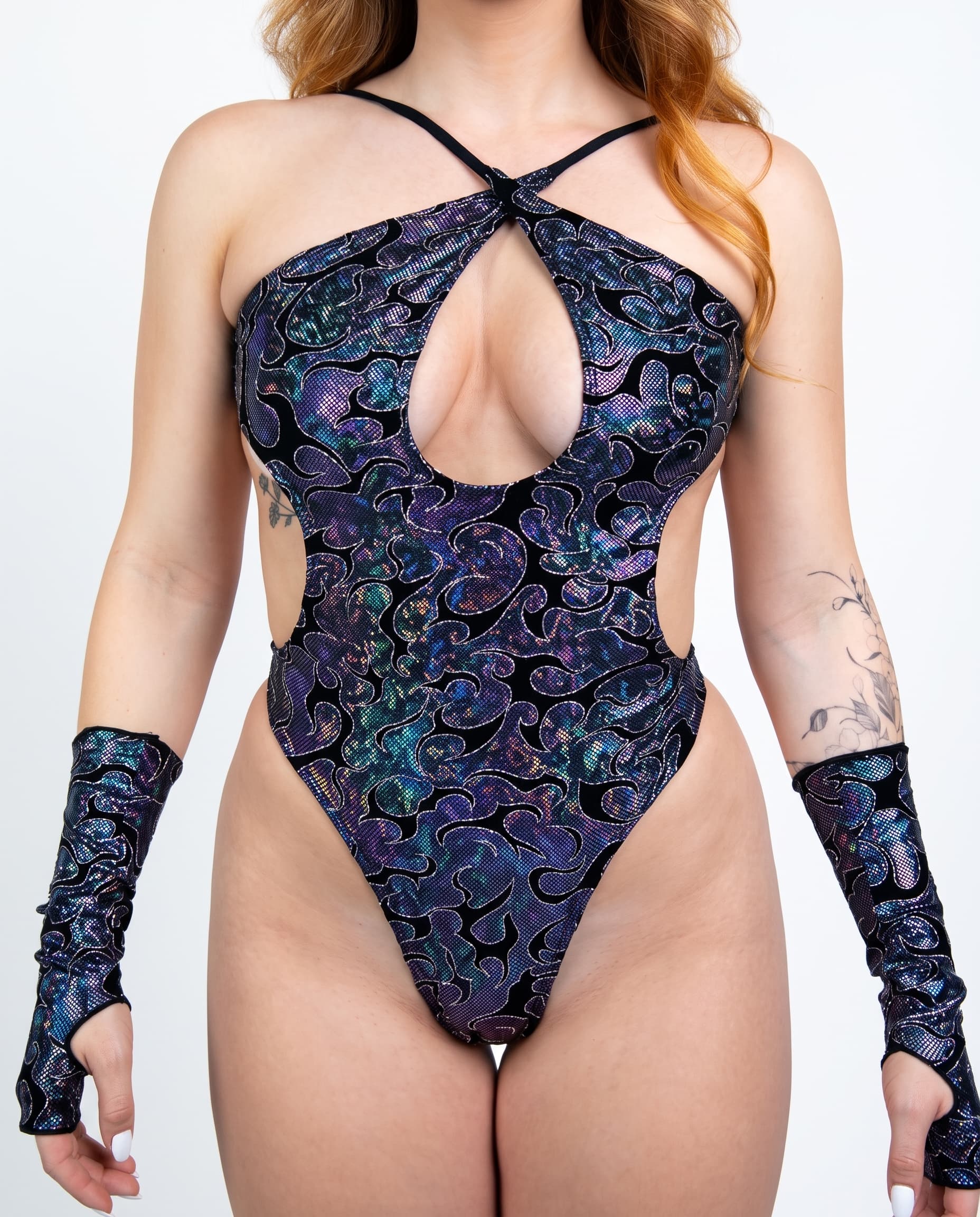
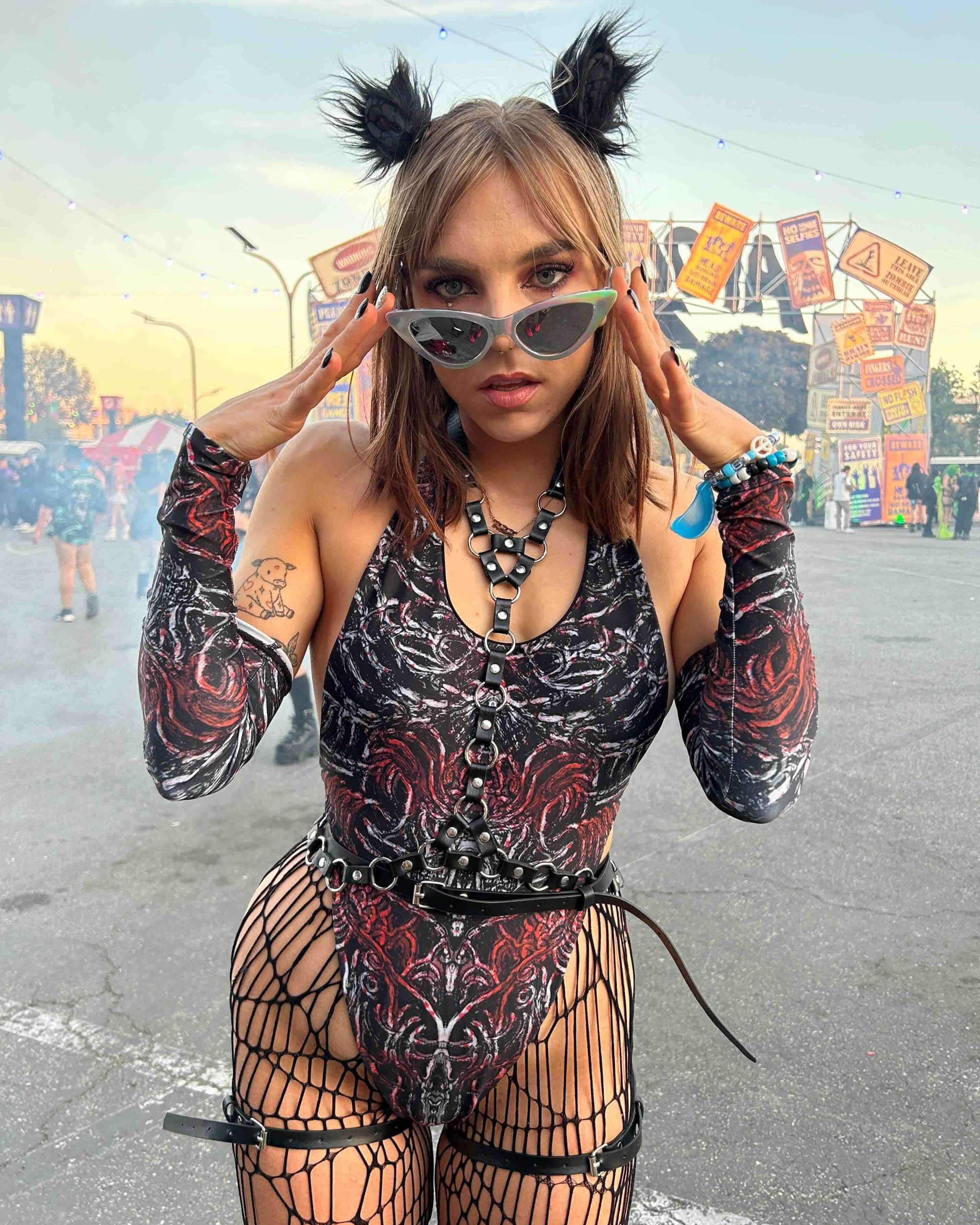
Rave wear has become one of the most influential forces in contemporary fashion, reshaping how an entire generation thinks about clothing, identity, and self-expression. What began as a subculture uniform for late-night warehouse parties has evolved into a global aesthetic that influences runway collections, streetwear brands, and festival culture worldwide. If you've ever felt the magnetic pull of bold prints, holographic fabrics, and unapologetically expressive rave outfits, you already know: this movement is far bigger than any single trend.
In this deep dive, we're tracing the arc of rave fashion from its underground roots to its mainstream dominance — and looking ahead to where it's headed next.
The Birth of Rave Wear
Rave culture emerged in the late 1980s across the UK and the American Midwest, fueled by the explosive growth of electronic music. Warehouse parties, illegal raves, and early festival gatherings created spaces where conventional dress codes were not just ignored — they were actively rejected. The early ravers adorned themselves in bright neon colors, oversized silhouettes, and DIY accessories that signaled membership in something new and electric.
This wasn't accidental. The clothing was a rebellion against the conservative fashion landscape of the era, a visual declaration that the person wearing it had opted out of the mainstream. Smiley face tees, wide-leg pants, platform shoes, and kandi bracelets became the uniform of a generation that prioritized joy, community, and sonic freedom over social conformity.
Those early choices laid the foundation for everything that followed. The ethos was simple: wear what makes you feel alive. That principle hasn't changed — it's only gotten louder.
A Fusion of Styles and Subcultures
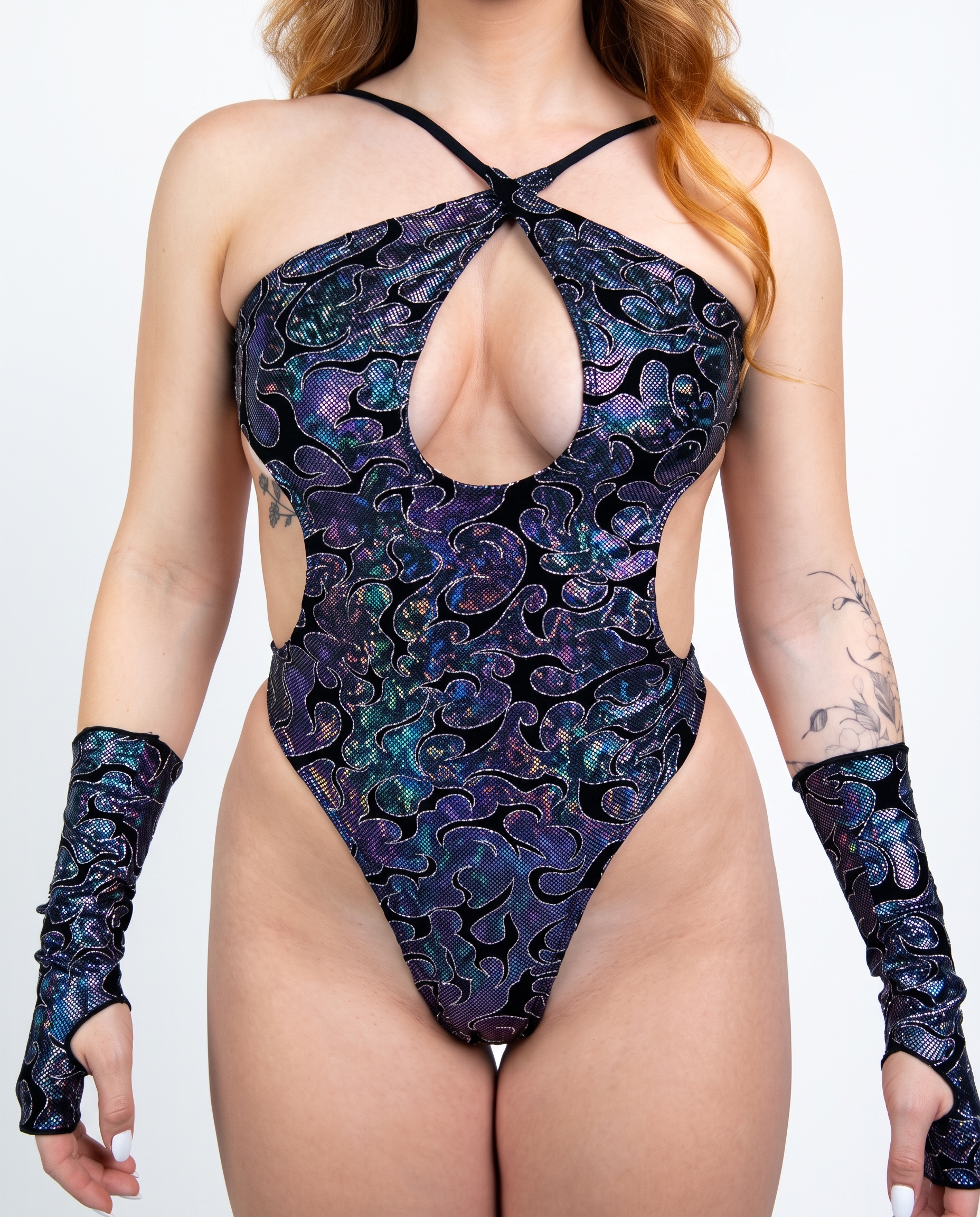
One of the defining characteristics of rave fashion is its refusal to exist in a single lane. From the beginning, rave wear drew inspiration from a wide spectrum of subcultures — punk's defiance, hip-hop's swagger, cyberpunk's futurism, and fantasy's otherworldly imagination. The result is a genre-blending phenomenon where futuristic metallics sit comfortably next to psychedelic tie-dye, and structured harnesses pair with flowing, ethereal fabrics.
This fusion mentality is exactly what makes rave fashion so compelling. There's no single "correct" look. A raver might pair rave bodysuits with chunky platform boots and a floor-length holographic coat. Someone else might layer festival tops with mesh, chain accessories, and body glitter. The beauty lies in the combination — contrasting elements fused into something that feels entirely personal.
This genre-fluid approach has given rave wear a creative resilience that trend-dependent styles simply don't have. While fast fashion cycles burn through aesthetics in weeks, rave fashion keeps evolving because it was never anchored to a single look in the first place.
Freedom of Expression as a Core Value
If there's one contribution rave wear has made to the broader fashion conversation that matters most, it's the radical prioritization of individual expression over trend compliance. In rave spaces, there is no "wrong" outfit. There is only your outfit — the one that makes you feel powerful, free, and fully yourself under the lights.
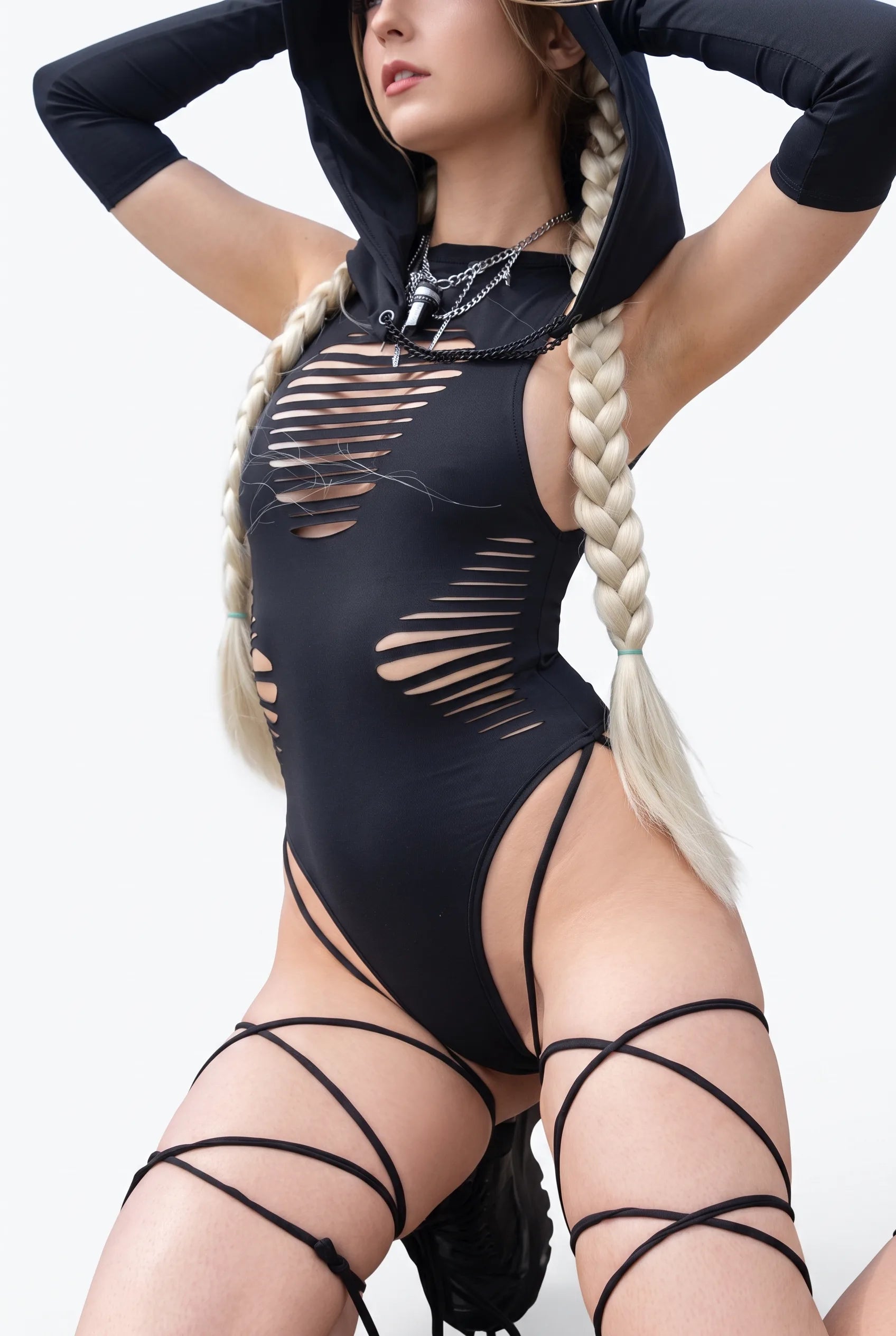
This philosophy has always been the beating heart of the culture. Ravers don't dress for approval. They dress for transformation. The act of assembling an outfit becomes a creative ritual, a way of deciding who you want to be for the night and then stepping into that version of yourself without hesitation.
That's why rave fashion has always been inherently inclusive. It doesn't matter what your body looks like, what gender you identify with, or where you come from. The dance floor is a space where plus size rave outfits command just as much energy as any other look, where men's rave outfits push far beyond the tired boundaries of conventional menswear, and where matching rave outfits let couples express their connection through coordinated style.
You're not the type to blend into the crowd. And rave fashion was built for people exactly like you.
Rave Wear Goes Mainstream
What was once confined to underground warehouses and dusty desert gatherings has now permeated every level of the fashion industry. High-fashion designers have drawn direct inspiration from rave culture, incorporating bold color palettes, holographic and iridescent fabrics, cutout silhouettes, and body-conscious construction into their runway collections.
Brands like Balenciaga, Marine Serre, and Mugler have all pulled from rave aesthetics in recent seasons. Celebrities regularly sport rave-inspired looks at festivals like Coachella and Electric Daisy Carnival, further solidifying the style's place in popular culture. When you see neon mesh, reflective materials, and platform boots on a red carpet, you're looking at the direct lineage of rave fashion.
But here's what matters: the mainstream adoption hasn't diluted the culture. If anything, it's validated what ravers have known for decades — that dressing for joy, for freedom, for the sheer thrill of self-expression is not a fringe idea. It's a fundamental human impulse that the rest of the world is finally catching up to.
Sustainability and Conscious Innovation
The rave community has always carried a deep respect for the spaces it occupies — both physical and ecological. The "leave no trace" ethos that defines events like Burning Man has naturally extended into how the community thinks about fashion production. In 2026, sustainability isn't a nice-to-have in rave wear. It's an expectation.
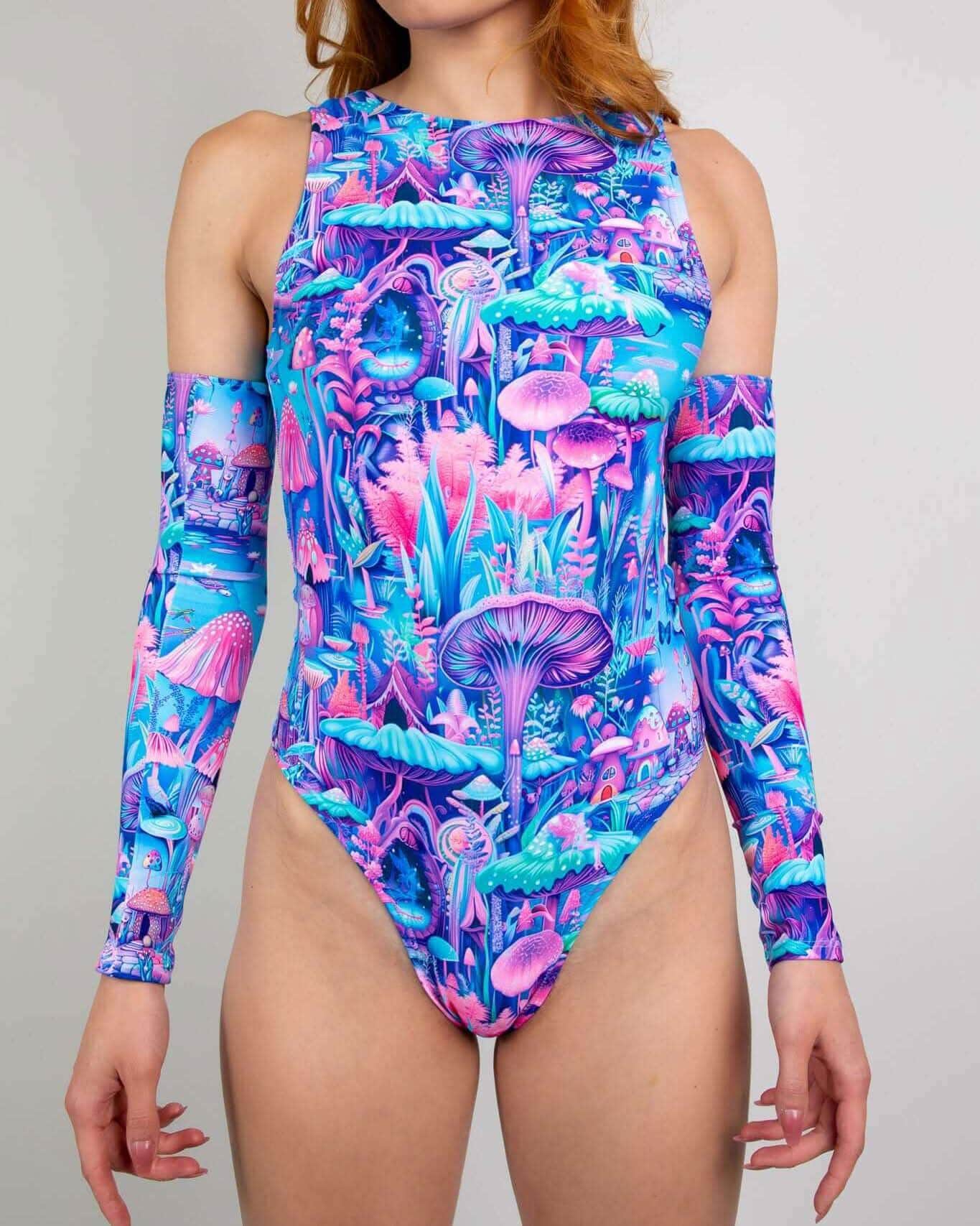
Brands like Freedom Rave Wear have been leading this charge for years. Many of our pieces are crafted from recycled materials, reducing waste and environmental impact without sacrificing the bold, high-performance fabrics that festival-goers need. Every piece is handcrafted in San Diego — not mass-produced in an overseas warehouse — and backed by a lifetime warranty that keeps garments out of landfills and in your rotation for years.
This commitment to conscious production aligns perfectly with the values of the rave community. When you invest in a piece that's built to last, you're making a statement about the kind of world you want to dance in. Fast fashion burns out after one event. Thoughtfully made rave clothing becomes part of your story.
The Building Blocks of a Rave Wardrobe
For those building out their festival wardrobe, understanding the key categories helps you mix, match, and layer with intention. The foundation often starts with a statement piece — a boldly printed bodysuit, a reflective top, or a pair of high-waisted rave shorts that move with you through hours of dancing.
Layering is where rave fashion truly comes alive. Festival pashminas add texture and warmth for those desert night temperature drops, while also serving as versatile accessories that can be styled a dozen different ways. The best rave wardrobes aren't built around a single look — they're built around pieces that can be recombined endlessly, creating something new for every set and every stage.
Think of your wardrobe as a toolkit for identity. Each piece gives you another option, another mood, another version of yourself to step into when the music starts.
The Future of Rave Fashion
As electronic music culture continues its global expansion in 2026 and beyond, rave fashion is evolving right alongside it. Advances in textile technology are bringing us closer to interactive garments — fabrics that respond to sound, LED-infused accessories that sync with the beat, and materials engineered specifically for the demands of all-night dancing in extreme environments.
But technology is only part of the picture. The deeper evolution is cultural. Rave fashion is becoming more inclusive, more sustainable, and more intentional with every passing season. Gender-fluid design is no longer a niche offering — it's becoming the standard. Size inclusivity is expanding. And the community continues to hold brands accountable for how and where they produce their garments.
The future belongs to the ravers who refuse to be forgettable — who understand that what you wear to a festival is never just fabric. It's armor. It's art. It's the physical manifestation of who you are when you strip away every expectation the outside world places on you.
Rave wear isn't a trend waiting to peak and fade. It's a philosophy of dressing that puts self-expression, community, and creative freedom at the center of every design decision. Whether you've been in the scene for decades or you're lacing up your first pair of platforms, your outfit is a canvas — and the only rule is that it tells your story. Explore the full collection at Freedom Rave Wear and find the pieces that feel like the truest version of you.