

A complete rave outfit is two lists, not one: the outfit you dance in, and the survival kit that keeps you dancing. The outfit list is a base piece, bottoms or a set, broken-in closed shoes, and one packable layer. The survival kit is ear protection, water, a secure bag, and the small items everyone forgets until midnight. This checklist covers both, in packing order, with the reasoning next to each item so you can cut what your event does not need.
The outfit layer
- Base piece. A bodysuit, a matching set, or a fitted top you trust. One statement piece is enough; it should pass the at-home dance test (jump, bend, sit, arms up for five minutes) before it earns a spot.
- Bottoms. High-waisted shorts, a skirt with secure shorts under it, or leggings, all in stretch fabric. Pockets or a garter that actually holds a phone are worth planning around; see the bottoms range.
- Shoes: closed, cushioned, broken in. The non-negotiable item on this whole page. A week of normal walking minimum before the event, and never open toes on a crowded floor.
- Socks that breathe. A cheap upgrade that prevents the most common outfit failure, blisters at hour three.
- One packable layer. Pashmina, light jacket, or arm sleeves. Indoor venues blast air conditioning at the exits and outdoor events drop cold after midnight; the layer rides tied at your waist until it saves the night.
- Underlayers that stay put. Whatever you wear under a fitted piece, test it under that piece, in motion, before the event.
The survival kit
- High-fidelity earplugs. First item in the bag for a reason. The World Health Organization estimates over 1 billion young adults are at risk of permanent hearing loss from loud recreational sound. Music-grade earplugs keep the mix clear and cut the damage, and they cost less than a drink.
- Water plan. Hydration pack for festivals that allow them, or a plan around the venue's water stations. Check the event's bag policy the week before; policies change year to year.
- Small secure bag. Crossbody or fanny pack worn in front, holding ID, one card, some cash, phone, and lip balm. Nothing you would cry about losing.
- Portable charger and short cable. Your phone is your ticket, your map, and your way back to your group. It will not survive eight hours of photos on its own.
- Sunscreen and sunglasses for anything with daylight hours, and a bandana if the venue is dusty.
- Anti-chafe stick if your outfit involves bare thighs and miles of walking. Veterans pack it; first-timers learn why.
- Kandi, if it is that kind of crowd. Beaded bracelets traded as a friendship ritual in PLUR scenes. Optional everywhere, welcome most places.

What stays home
- Brand-new shoes, however good they look with the set
- Heavy fabrics that soak sweat and stay wet, like denim and thick cotton
- Real jewelry, sentimental pieces, and anything irreplaceable
- Big bags; they slow every security line and fill with things you will not use
- Any outfit piece that has not been dance-tested at home
Tweaks by venue type
The core list holds everywhere, but three situations change the weighting:
- Indoor club or warehouse: heat is the enemy. Drop the sunscreen, keep the layer small (arm sleeves or a pashmina, not a jacket), and expect no re-entry, so everything you need comes in with you. Coat check lines at closing are why veterans carry layers instead of checking them.
- Outdoor single-day festival: the full list applies. Sun items earn their space for the daylight hours, and the temperature swing between the afternoon and the last set is the biggest of any venue type, so the packable layer is non-negotiable.
- Camping festival: multiply the outfit layer by the number of days, then add a full change of dry clothes and real warmth for the campsite at 4 a.m. Baby wipes, a headlamp, and extra socks quietly become the most valuable items you own by day two. Your dancefloor bag stays small; the big bag stays at camp.
Timing the checklist
Work the list backward from the event. Three to four weeks out, order the base piece and bottoms so there is room for shipping and one size exchange; measure against the size chart or use the Perfect Fit quiz for a per-piece recommendation instead of guessing. Two weeks out, break in the shoes and dance-test the full outfit. The week of, buy the consumables (earplugs, sunscreen, anti-chafe) and read the venue's bag policy. Day of, dress, pack the survival kit, and put the layer where you can reach it at 1 a.m.
The pocket problem, solved before you leave
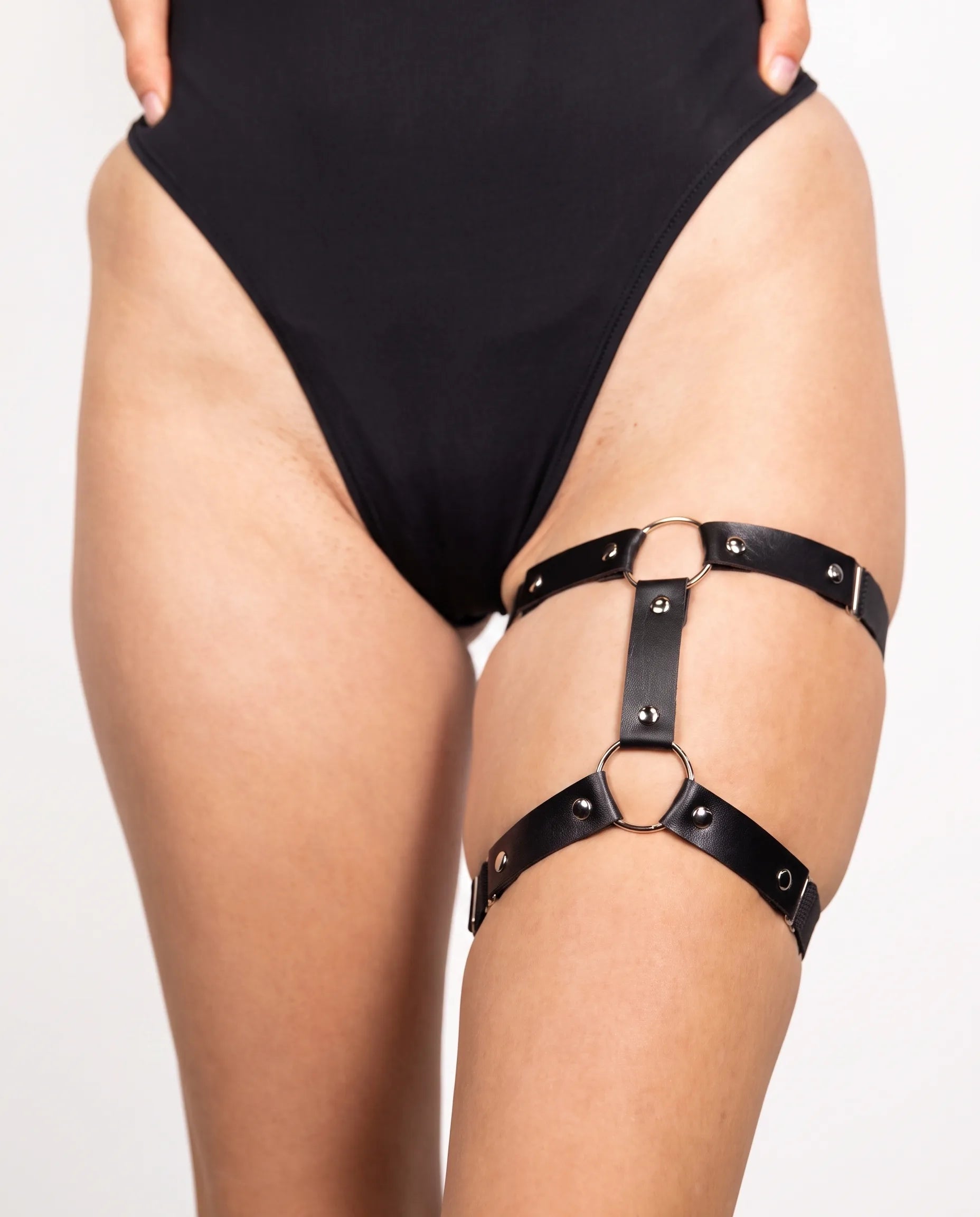
Most rave outfit failures are actually storage failures. Decide where each essential lives before you dress: phone in the zipped front pouch, ID and card together in one sleeve, cash split between two spots, lip balm and earplugs in the pocket you can reach without breaking your dance. Then do one full dress rehearsal wearing the loaded bag, because a fanny pack that felt fine empty bounces differently with a phone and a charger in it. If your outfit has a garter or built-in pocket, test that it holds your actual phone through a jump, not the smaller phone the designer imagined. Thirty seconds of planning here saves the 1 a.m. flashlight search of a dancefloor.
Copy-paste checklist
- Base piece (dance-tested)
- Bottoms with a phone plan
- Closed, cushioned, broken-in shoes
- Breathable socks
- Packable layer
- Earplugs
- Water plan matched to the venue's rules
- Small secure bag: ID, card, cash, phone, lip balm
- Portable charger
- Sunscreen and sunglasses for daytime events
- Anti-chafe stick
- Optional: kandi, face gems, glitter
For styling the outfit layer itself, the what to wear to a rave guide covers looks in depth, first-timers can start with the complete first rave guide, and the best sellers show which base pieces thousands of ravers have already festival-tested.
FAQ
What should I bring to a rave besides my outfit?
Earplugs, a water plan, a small secure bag with ID and a portable charger, and one warm layer. Those four items cover the failure modes that end nights early: hearing fatigue, dehydration, a dead phone, and the cold walk out.
What shoes are best for a rave?
Closed, cushioned shoes you have already broken in with at least a week of walking. Sneakers are the default; platforms work if you have real miles in them. Open toes do not belong on a crowded dancefloor.
Are hydration packs allowed at festivals?
Usually, but every event publishes its own bag and hydration policy and enforces it at the gate, and rules change year to year. Check the official policy the week before rather than assuming last year's rules.
How early should I buy my rave outfit?
Three to four weeks before the event. That leaves time for shipping and one size exchange, and it means the shoes and the outfit both get properly tested before the night that counts.