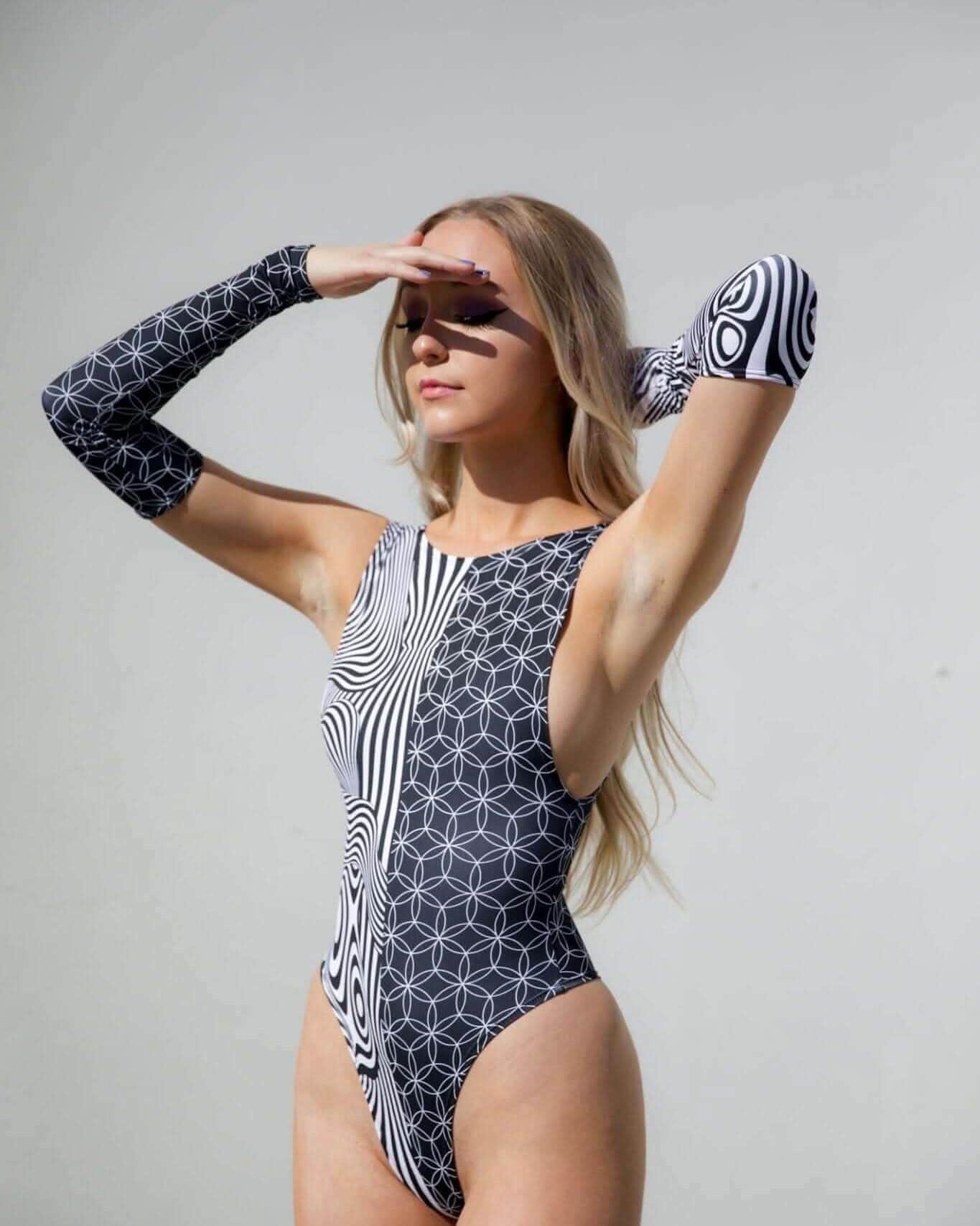

The thumping beats, neon lights, and an atmosphere of unbridled freedom — old-school rave culture is making a powerful comeback, and if you've ever felt the pull of a pulsing warehouse floor or lost yourself under a canopy of lasers, you already know why. Welcome to the Rave Renaissance: a movement that's breathing fresh life into the rebellious spirit, iconic fashion, and communal energy that defined the original scene. From underground origins to modern mainstages, this resurgence is proof that rave culture was never just a phase — it's a way of life that refuses to be forgotten.
Flashback to the Underground Origins
Before the mega-festivals and stadium-sized production rigs, rave culture was born in the shadows. In the mid-1980s, abandoned warehouses in cities like Detroit, Chicago, and London became secret dance havens where a new generation gathered to chase a sound that mainstream radio wouldn't touch. DJs like Frankie Knuckles, Derrick May, and Kevin Saunderson forged house and techno from the wreckage of post-industrial decay, and the result was electric.
These weren't polished events. There were no VIP sections, no influencer photo walls. A scribbled address, a phone-tree invitation, and a willingness to wander into the unknown were your ticket in. The beauty was in the rawness — the concrete floors, the improvised sound systems, the feeling that you'd stumbled into something genuinely countercultural.
By the early 1990s, the movement had spread across Europe and North America, fueled by acid house in the UK and the explosion of the Second Summer of Love. Open fields became dancefloors. Motorway service stations became meeting points for convoys of ravers chasing the next party. It was chaotic, euphoric, and entirely community-driven — and that energy is exactly what today's scene is reaching back for.
The DIY Ethos Lives On
If there's one thread that connects the original rave scene to today's underground resurgence, it's the do-it-yourself spirit. Old-school ravers didn't wait for permission. They built their own sound systems, screen-printed their own flyers, and transformed forgotten spaces into temples of bass. That same creative defiance is alive and thriving in 2026.
Across cities worldwide, collectives are throwing intimate, community-organized events that prioritize experience over spectacle. Think curated lineups in repurposed art galleries, sunrise sets on rooftops, and desert gatherings where the dress code is pure self-expression. These events strip away the corporate veneer and get back to what matters: the music, the people, and the collective energy of a room moving as one.
This ethos extends to how ravers dress, too. The original scene celebrated individuality through handmade outfits, customized accessories, and bold choices that said something about who you were. Today, that same impulse drives the demand for rave clothing that feels intentional — pieces crafted with care, not churned out by fast fashion factories. When your outfit is an extension of your identity, the whole experience transforms.
Iconic Rave Fashion Makes Its Return
Fluorescent colors, oversized silhouettes, candy-stacked wrists, and reflective fabrics — if these images stir something in you, you're not alone. Old-school rave fashion has re-entered the cultural conversation in a serious way, influencing everything from runway collections to the fits you see at Electric Daisy Carnival and beyond.

The original scene prized visual boldness as a form of liberation. Baggy pants, platform boots, holographic fabrics, and head-to-toe kandi weren't just aesthetic choices — they were declarations of freedom. Dressing for a rave meant stepping outside the boundaries of everyday life and becoming whoever you wanted to be for one night.
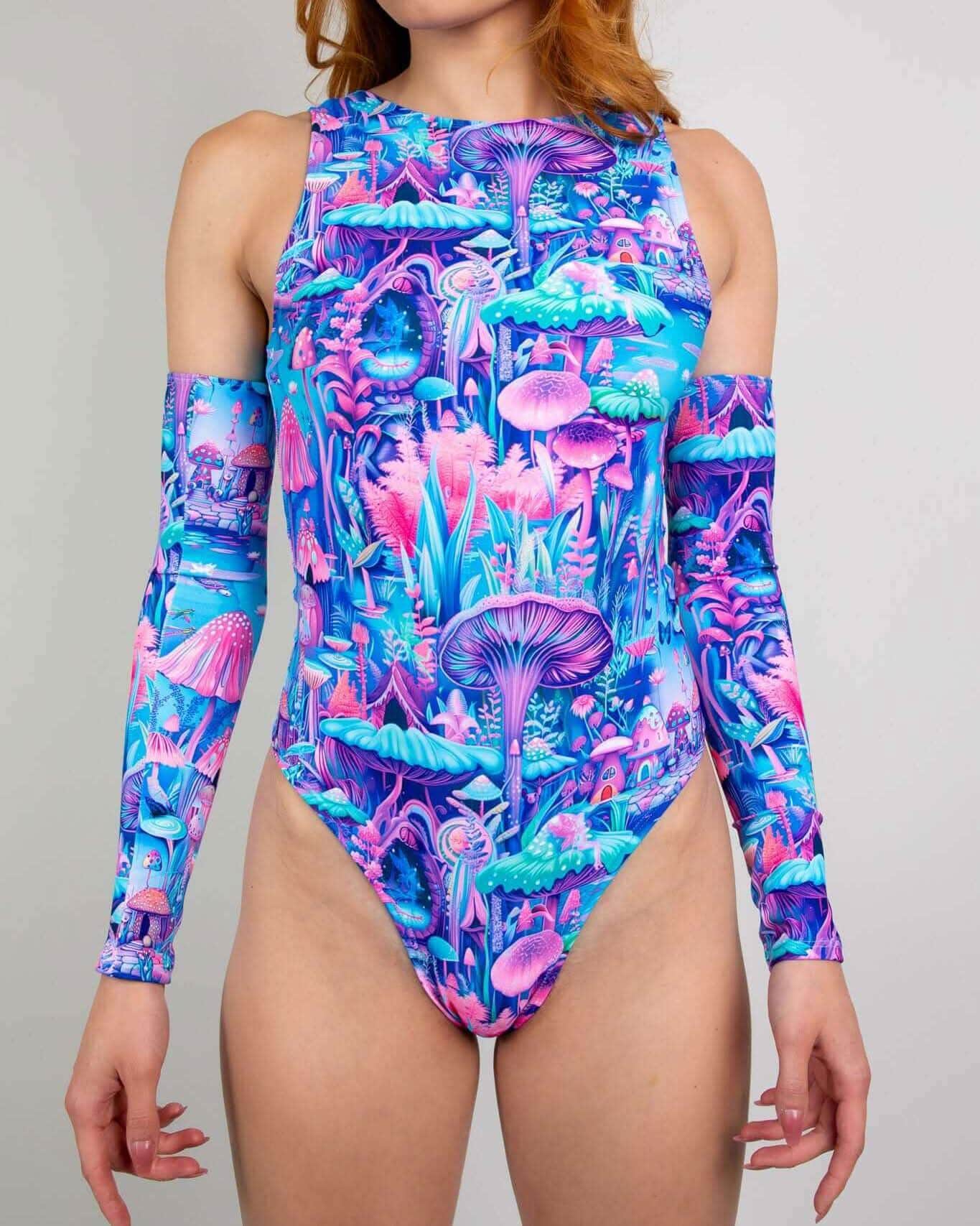
That same philosophy drives the modern rave wardrobe, but with elevated craftsmanship. Rave bodysuits now feature UV-reactive prints and recycled fabrics. Festival tops blend retro cuts with performance materials that move with you through hours of dancing. And accessories like festival pashminas add layers of texture and self-expression that nod to the past while feeling entirely current.
The key difference in 2026? Inclusivity has expanded. The original scene was progressive for its time, but today's rave fashion embraces every body. Plus size rave outfits and men's rave outfits are no longer afterthoughts — they're central to the conversation, because self-expression doesn't come in one size.
PLUR: The Values That Still Define Us
Peace, Love, Unity, and Respect. Four words that became the unspoken constitution of rave culture in the 1990s, and four words that still resonate deeply with anyone who's ever traded kandi with a stranger or shared water with someone they just met on the dancefloor.
PLUR wasn't just a slogan — it was a social contract. In a world that often felt divided by class, race, gender, and identity, the rave was a space where those walls dissolved under the weight of shared experience. You were judged not by who you were on Monday morning but by the energy you brought to the floor.
Today, these values are being carried forward by a new generation that takes them even further. Festival communities in 2026 are actively building safer spaces, championing consent culture, and centering accessibility. Couples rave outfits have become a way for partners and friends to express their bonds visually, reinforcing the idea that rave culture is fundamentally about connection — not competition.
If you're someone who lives for that moment when the crowd becomes a single, pulsing organism, you already understand PLUR on a cellular level. It's not something you learn. It's something you feel.
Analog Sound and the Nostalgia Machine
Vinyl crackle. Warm analog pads. The hiss of a Roland 303. There's a reason producers and DJs are reaching back to the sound palette of the original rave era — because those textures carry an emotional weight that pristine digital production sometimes can't replicate.
The resurgence of vinyl DJ sets at festivals and club nights speaks to a deeper hunger for authenticity. When a DJ pulls a record from a crate and drops the needle, there's a tactile, almost ritualistic quality to the act. It slows time. It demands attention. It connects the room to a lineage of selectors who shaped culture one 12-inch at a time.
Analog synthesizers and drum machines from the 1980s and 90s — the Roland TR-808, the TB-303, the Juno-106 — have seen prices skyrocket as producers chase the warmth of the original sound. Meanwhile, new hardware manufacturers are building modern instruments inspired by these classics, creating a bridge between vintage tone and contemporary workflow.
For ravers on the dancefloor, the result is a sonic experience that feels both familiar and fresh — a bass frequency that hits your chest like a memory you didn't know you had.
Underground Parties: Raw Energy, Intimate Spaces
Not every transcendent rave experience happens under a pyrotechnics display. Some of the most powerful moments in dance music culture unfold in rooms that hold fewer than 200 people, where the DJ can see the whites of your eyes and the sound system fills your skeleton from the inside out.
Underground parties in 2026 are thriving precisely because they offer what massive festivals can't: intimacy. There's no barrier between artist and audience. The lighting is minimal — maybe a single strobe, maybe a UV wash that makes your rave shorts glow against the darkness. The focus is the music, the movement, and the unspoken agreement that everyone in the room chose to be there.
These events are where the rave spirit lives in its purest form. They're where new genres are born, where DJs take risks, and where the community polices itself through respect rather than security wristbands. If you've never experienced one, consider this your invitation to seek them out.
Modern Technology Meets Old-School Spirit
The original ravers didn't have social media, streaming platforms, or LED bodysuits. What they had was word of mouth, pirate radio, and an instinct for finding the party. But rather than diluting the old-school spirit, modern technology has amplified it in unexpected ways.

Livestreams from Boiler Room and HOR have turned underground DJ sets into global events, exposing millions of viewers to selectors and sounds they'd never encounter through algorithmic playlists alone. Platforms like Resident Advisor and Dice have made it easier to discover intimate events without sacrificing the sense of discovery that defined the original scene.
On the production side, UV-reactive fabrics, programmable LED accessories, and advanced textile engineering mean your rave outfits can respond to the environment in ways that would have blown minds in 1992. Imagine walking into a blacklit warehouse and watching your entire fit come alive — that's not nostalgia, that's evolution.
From Warehouse to Mainstage: Rave Culture's Expanding Influence
Rave culture's fingerprints are all over the modern festival landscape. The massive production at events like Tomorrowland, Ultra, and EDC didn't emerge from thin air — it's a direct descendant of the warehouse parties and free raves that came before. The scale changed, but the core impulse remained: gather people, play music, create a temporary world where the ordinary rules don't apply.
In 2026, we're seeing this influence flow in both directions. Major festivals are programming dedicated stages that honor the underground — deep techno tents, house music showcases, and ambient chill spaces that echo the multi-room layouts of legendary clubs. Meanwhile, underground promoters are borrowing production techniques from the big festivals, creating immersive experiences that punch far above their weight.
The result is a spectrum of experiences that caters to every kind of raver. Whether you prefer the sweaty communion of a 3 AM basement set or the overwhelming spectacle of a sunset mainstage moment, there's a place for you in this culture.
The Multigenerational Rave Connection
One of the most powerful aspects of the Rave Renaissance is watching the culture pass between generations. Ravers who danced through the early 90s are now bringing their children to festivals, sharing stories of legendary nights, and passing down a set of values that transcend age.
This multigenerational exchange enriches everyone involved. Younger ravers gain context and reverence for the roots of their culture. Older ravers see their legacy not just preserved but expanded, reinterpreted through new sounds, new fashion, and new perspectives. Family rave crews at festivals — parents and kids in coordinated fits, sharing the dancefloor — have become one of the most heartwarming sights in the scene.
It's a reminder that rave culture was never about being young. It was about being free. And freedom doesn't come with an expiration date.
Preserving the Rave Spirit for the Future
The Rave Renaissance isn't a nostalgia trip. It's a reclamation. It's a deliberate choice to honor the values, sounds, and creative freedom that made rave culture one of the most significant social movements of the late 20th century — and to carry those principles forward into a world that desperately needs them.
Authenticity. Diversity. Community. Self-expression without apology. These aren't just ideals — they're lived experiences on every dancefloor, at every festival, in every early-morning afterparty where strangers become family.
The culture is yours to shape. Whether you're lacing up your boots for your first underground event or your hundredth festival season, you're part of a lineage that stretches back decades and reaches forward into whatever comes next. The beats evolve, the fashion transforms, the technology advances — but the spirit stays the same.
Find the pieces that help you express who you really are, step onto the dancefloor, and become part of the story that rave culture is still writing.