
Evolving Rave Fashion: From Acid House to Festival Chic
By: Desiree Diaz
Rave fashion has transformed dramatically over the decades, but one thing remains constant: it's always been about radical self-expression. Like the music that moves us, rave wear reflects the energy of a moment, the vibe of an experience, the freedom of becoming your truest self under the lights. Since the late '80s when warehouse parties first exploded onto the scene, certain elements have persisted—glow, unapologetic color, platform shoes that make you feel ten feet tall. But the way we express ourselves? That's evolved beautifully, and we're here for every chapter of this story.
The Birth of Rave Culture: Acid House and Smiley Faces (Late '80s)
Our scene's first unofficial mascot was the iconic "acid house" smiley face—a simple yellow circle with a grin that said everything about the euphoric, judgment-free zone ravers were creating. This cartoon symbol appeared on nearly every piece of rave clothing, instantly bonding anyone who wore it. You were part of something bigger, something revolutionary.
Fun fact: We owe this cultural touchstone to DJ Danny Rampling. In September 1987, he traveled to Ibiza to celebrate Paul Oakenfold's birthday and experienced something transcendent. When he returned to London, Rampling was determined to recreate that magical vibe. He borrowed the smiley symbol from Barnzley, a designer at the Wag Club, and it became the universal language of early rave culture. That simple face represented everything we stood for: unity, positivity, and pure, unfiltered joy.
The Golden Era: Phat Pants and Cartoon Tees (Mid '90s - Early 2000s)


Phat pants paired with cropped tees became the uniform of an entire generation—and some OG ravers still rock this look with pride today. These weren't just fashion statements; they were functional art. Men would wear oversized, colorful cartoon shirts with their phat pants, finished with sneakers or chunky platform shoes. The pants came in every color imaginable, from denim to reflective materials that caught every laser beam.
What made phat pants so perfect for the rave? They moved with you on the dance floor, creating mesmerizing visual flow with every shuffle and jump. Plus, those massive pockets could hold everything—water, glow sticks, your crew's entire vibe check. This era proved that rave bottoms could be both statement pieces and seriously practical for all-night dancing.
The Go-Go Revolution: Fur, Fluff, and Festival Glamour (Late 2000s)


Photo credit: @robincoppola
Photo credit: @plurbby_steph
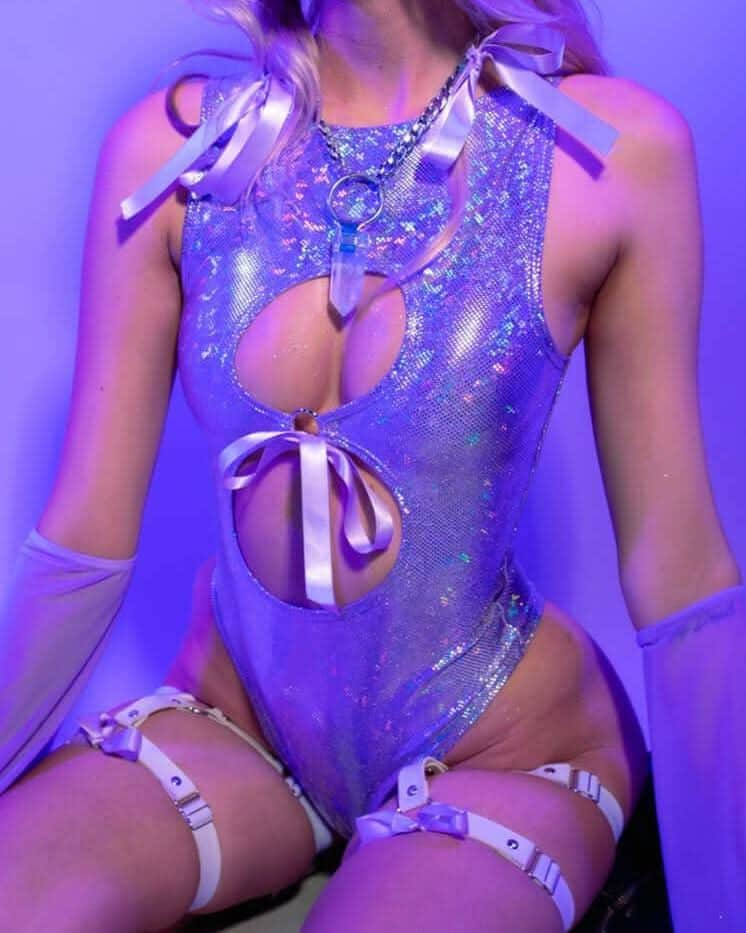
Around 2008, we witnessed a seismic shift in rave fashion. The go-go dancer aesthetic exploded at festivals like Electric Daisy Carnival, bringing fur, sequins, and body confidence to center stage. Suddenly, everyone—including myself—wanted to channel that dancer energy. Fur leg wraps, fluffy boots, decorated bras, and elaborate headpieces became essential festival gear.
This era was transformative for a crucial reason: it normalized body positivity in rave culture. Fluff was in, coverage was optional, and judgment was completely out. Ravers discovered they could feel powerful and free while showing more skin, because festivals are sanctuaries where you can truly be yourself. The bright colors and glow that defined earlier decades evolved into new forms—LED-infused leg wraps, UV-reactive materials, and intricately decorated rave bodysuits that became wearable art.
Customization became the name of the game. Decorated flower bras, matching bottoms, and statement headbands were being handcrafted by talented artists in the community. A fully customized outfit could cost anywhere from $100-$200, but what you were really investing in was a piece of yourself—visual proof of your creativity and individuality. This DIY ethos is something we honor at Freedom Rave Wear with our handcrafted approach to festival fashion.
The Modern Festival Look: Bold, Comfortable, Unapologetically You (2010s - Present)
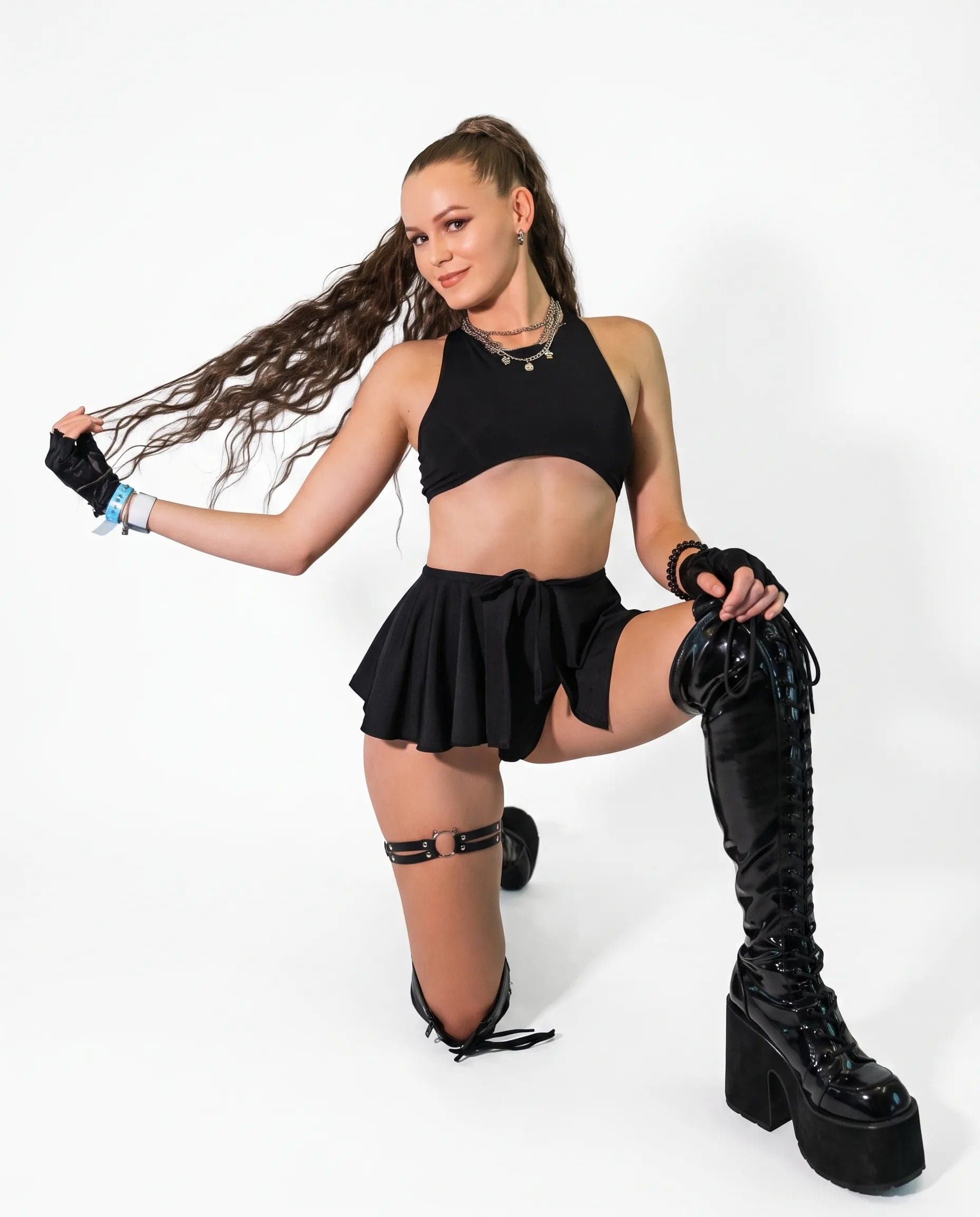
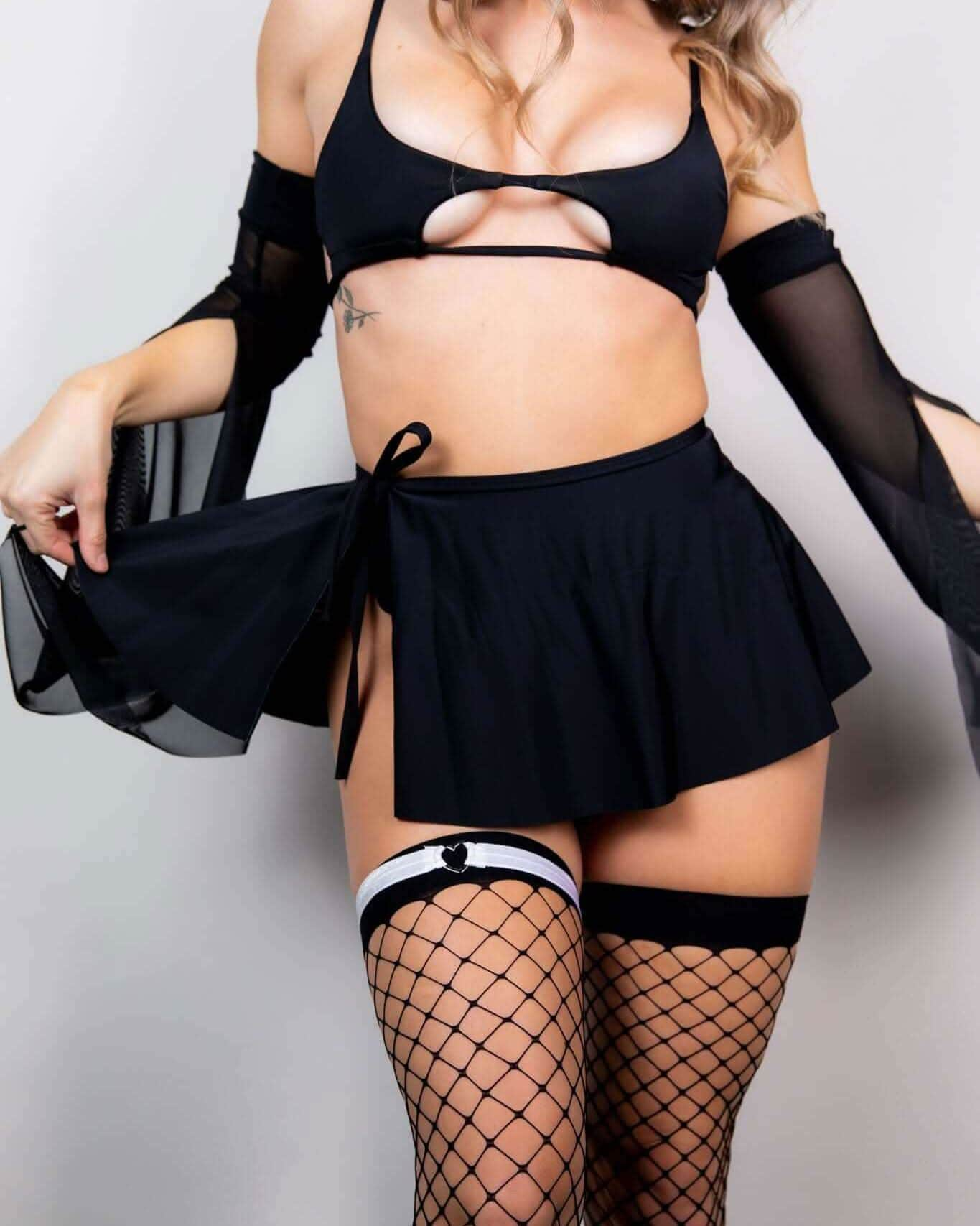
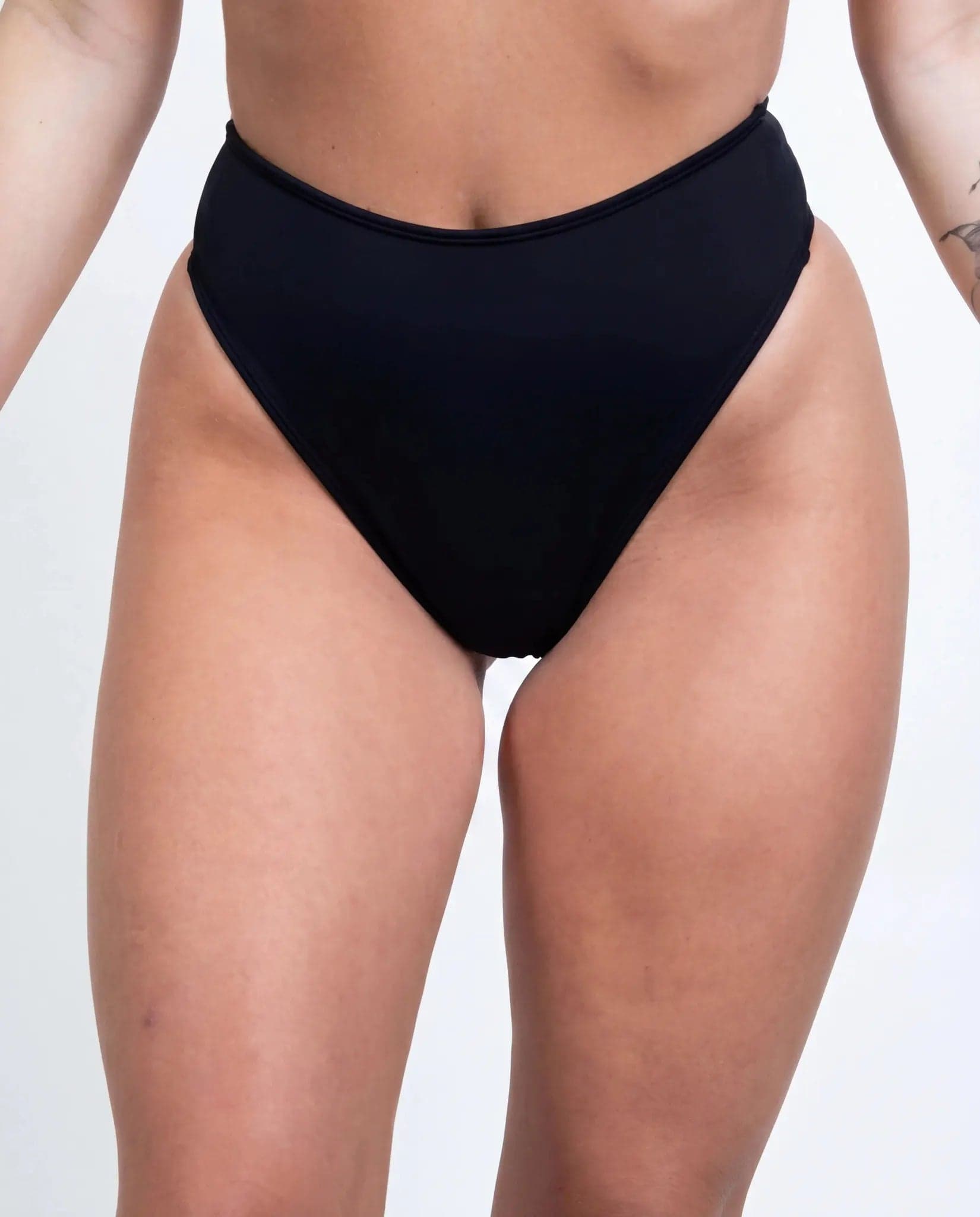
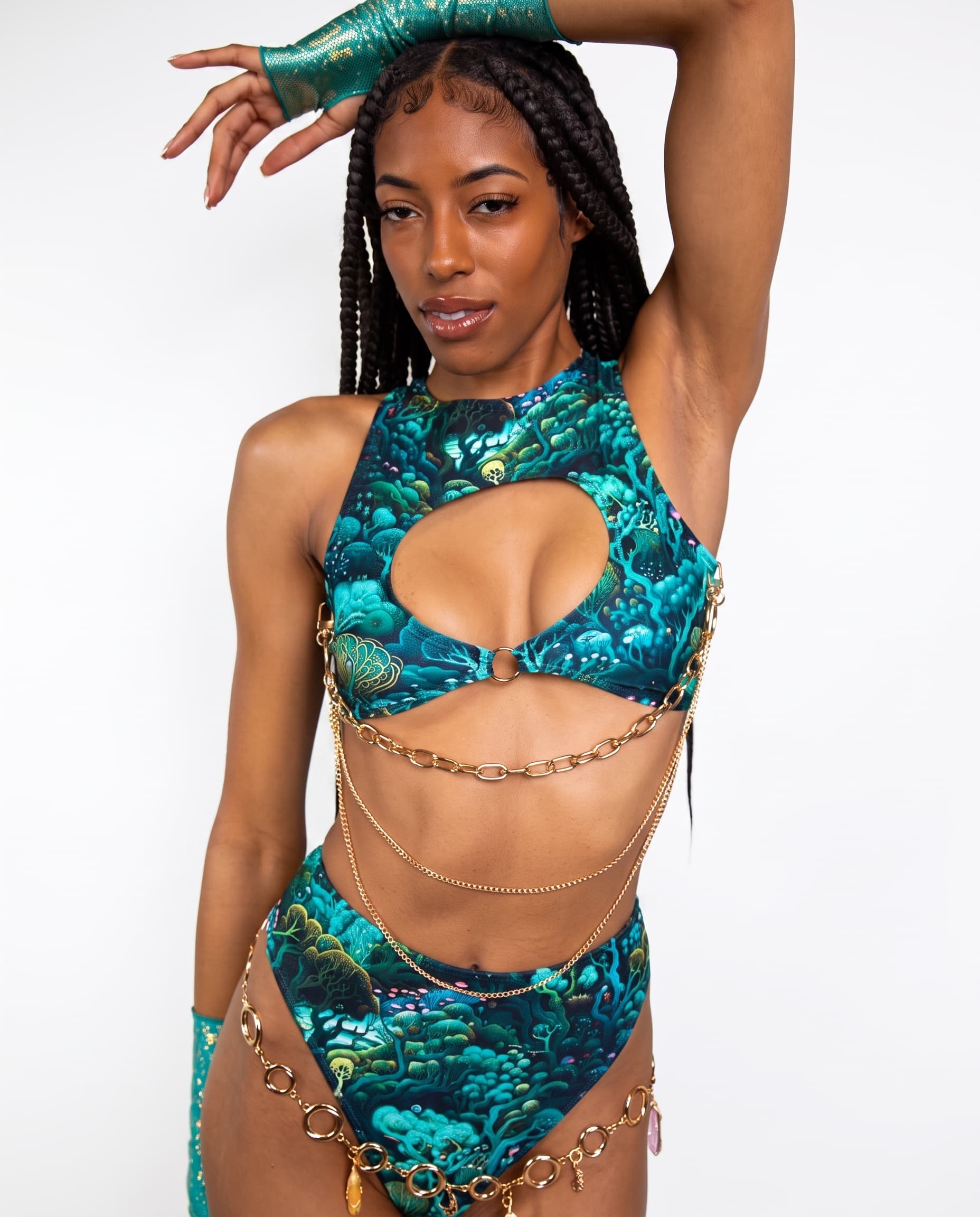
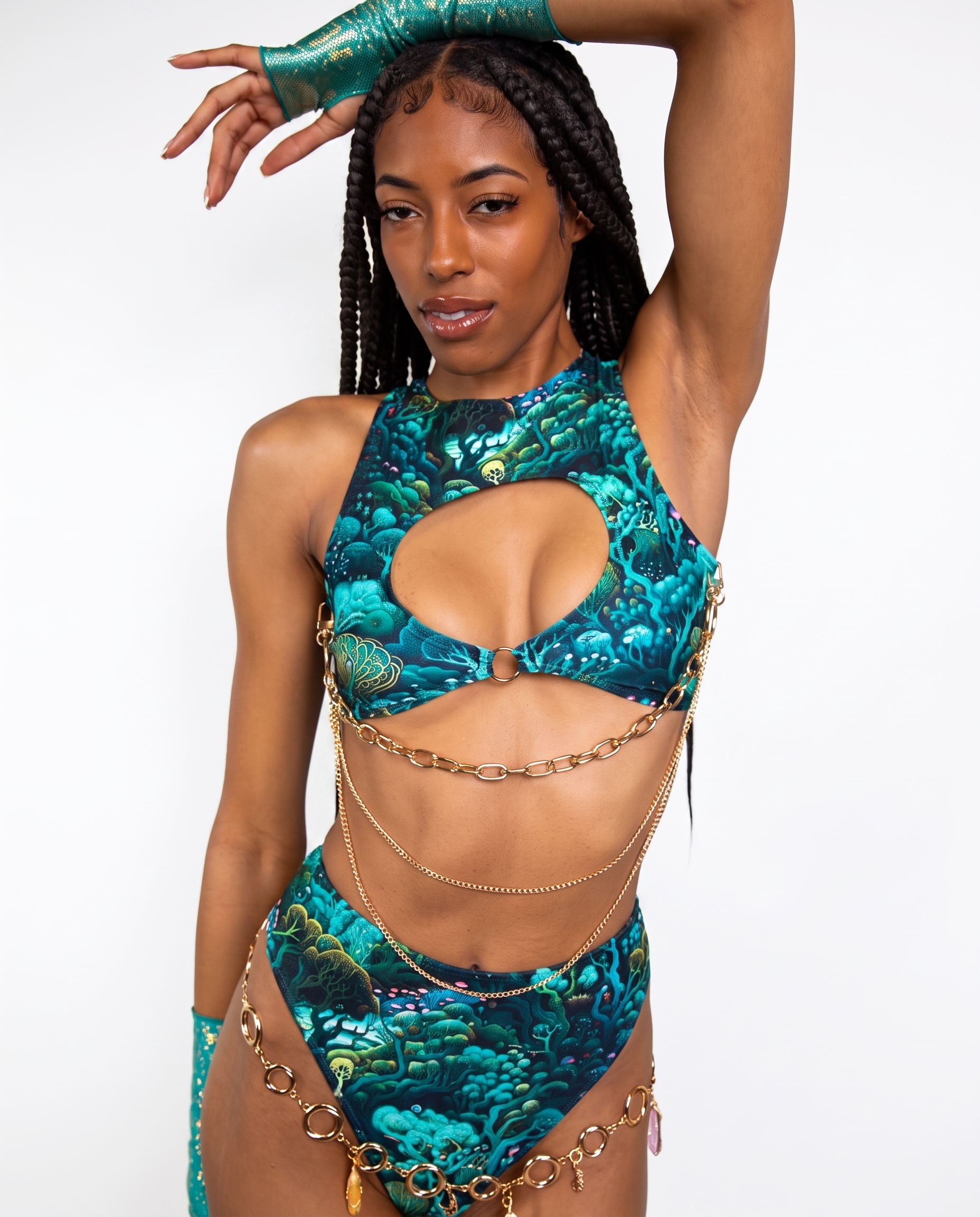
Today's EDM community has embraced a sleek, body-confident aesthetic that's equal parts bold and functional. Fishnet details, cheeky bottoms, rave tops in halter and bralette styles, and reflective materials dominate the scene. The modern festival look is about showing skin with confidence while incorporating technical elements—holographic fabrics, laser-cut details, and sustainable materials that perform as hard as you dance.
With less coverage comes a new essential: the right bag. Fanny packs, mini backpacks, and belt bags have become crucial accessories because your outfit might not have pockets, but you still need somewhere for your phone, chapstick, and festival essentials. We're also seeing incredible diversity in festival fashion—from plus size rave outfits that celebrate every body type to men's rave wear that breaks gender norms and celebrates masculine self-expression.
Platform shoes remain a festival staple, but there's zero shame in choosing comfort. Pro tip for new ravers: if you're unsure about platforms, start with supportive sneakers with quality insoles. You'll be on your feet for hours, moving through crowds, dancing until sunrise. Your footwear should empower you to experience the music fully, not hold you back. Some of us have learned this lesson the hard way at 3 AM when the headliner drops that final banger.
The Timeless Truth: Express Yourself Fearlessly
The beauty of rave culture is that it's forever evolving while staying true to its core purpose: celebrating YOU. Whether you're channeling '90s nostalgia in phat pants, going full festival glamour in a custom bodysuit, or creating your own entirely unique look that defies categorization—you're doing it right. The most significant unwritten rule in festival fashion? Have fun with what you wear and experience everything to the highest degree. We don't judge. It's all love.
As we move forward, rave fashion will continue to transform, incorporating new technologies, sustainable materials, and boundary-pushing designs. But the essence will remain the same: clothing as freedom, fashion as identity, and community as the ultimate runway. What matters isn't following trends—it's honoring your authentic self and showing up as the most vibrant, confident version of you.
What are some of your favorite rave fashion trends, past or present? Drop a comment and let us know what era speaks to your soul—or what you're rocking to your next festival.